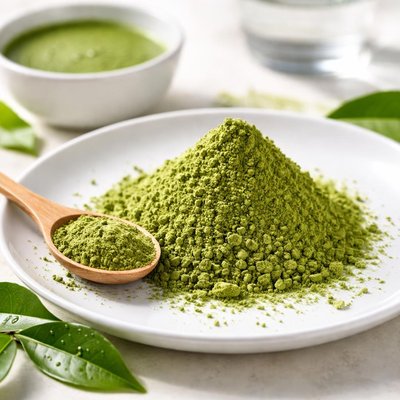
1 serving (240 grams) contains 0 calories, 0.0 grams of protein, 0.0 grams of fat, and 0.0 grams of carbohydrates.

Smart Nutrition Tracking with SnapCalorie

Nutrition Information
Calories |
0 | ||
|---|---|---|---|
% Daily Value* |
|||
| Total Fat | 0 g | 0% | |
| Saturated Fat | 0 g | 0% | |
| Polyunsaturated Fat | 0 g | ||
| Cholesterol | 0 mg | 0% | |
| Sodium | 0 mg | 0% | |
| Total Carbohydrates | 0 g | 0% | |
| Dietary Fiber | 0 g | 0% | |
| Sugars | 0 g | ||
| protein | 0 g | 0% | |
| Vitamin D | 0 mcg | 0% | |
| Calcium | 0 mg | 0% | |
| Iron | 0 mg | 0% | |
| Potassium | 36 mg | 0% | |
* Percent Daily Values are based on a 2,000 calorie diet. Your daily values may be higher or lower depending on your calorie needs.
Food Attributes
Source of Calories
About Green tea
Green tea is a traditional beverage originating from China and widely consumed in East Asia, including Japan and Korea. Made from the leaves of the Camellia sinensis plant, it is minimally oxidized during processing, preserving many of its natural bioactive compounds. Nutritionally, green tea is rich in catechins, particularly epigallocatechin gallate (EGCG), and contains modest amounts of caffeine alongside antioxidants and small traces of minerals like potassium and manganese. It is well-known for its light, earthy flavor and its use in both ceremonial and daily practices. Green tea is calorie-free when consumed without added sugar or milk, making it a popular choice for those looking to maintain a healthy lifestyle.
Health Benefits
- Boosts metabolism due to the presence of catechins such as EGCG, which may enhance fat oxidation.
- Supports brain health by providing L-theanine, an amino acid that may promote relaxation and improve cognitive function when combined with caffeine.
- Rich in antioxidants like flavonoids, which help combat oxidative stress and reduce the risk of chronic diseases.
- May improve cardiovascular health by lowering LDL cholesterol levels and improving blood vessel function.
- Contributes to a healthy immune system with its antibacterial and antiviral properties, potentially reducing the risk of infections.
Dietary Considerations
Selection and Storage
Store green tea in an airtight container away from sunlight, moisture, and strong odors to maintain freshness and flavor.
Common Questions About Green tea Nutrition
Is green tea low in calories?
Yes, green tea is extremely low in calories. An 8-ounce (240 ml) serving typically contains about 2 calories, making it an ideal choice for those watching their caloric intake.
Can I drink green tea on a keto diet?
Yes, green tea is keto-friendly as it contains virtually no carbohydrates. It can be consumed plain or with keto-approved sweeteners if needed.
What are the health benefits of green tea?
Green tea is rich in antioxidants like catechins, which can improve brain function, support heart health, and boost metabolism. It's also linked to reducing the risk of certain chronic diseases, such as Type 2 diabetes and cardiovascular issues.
How much green tea should I drink per day?
Generally, 3-5 cups of green tea per day is considered safe and sufficient to provide health benefits. However, consuming excessive amounts (more than 8 cups) might lead to side effects like insomnia or stomach irritation due to caffeine.
How does green tea compare to black tea?
Green tea is less processed than black tea, retaining more antioxidants like EGCG. It is lighter in flavor and contains less caffeine (about 25-35 mg per cup compared to 40-70 mg in black tea).
Data Sources & Scientific References
Our nutrition data comes from trusted, authoritative sources to ensure accuracy and reliability. Below are specific scientific references and authoritative sources for this food item.
- USDA FoodData - Green tea DataU.S. Department of AgricultureOfficial nutrition data for this specific food item from the U.S. Department of Agriculture's comprehensive food database.
- Antioxidant Effects of Green TeaNational Center for Complementary and Integrative Health (NIH)This page summarizes research on the antioxidant effects and other health benefits of green tea.
- Green Tea and HealthHarvard T.H. Chan School of Public HealthDiscusses the potential health benefits of green tea, such as its role in reducing risk of cardiovascular disease and improving brain health.
- Green Tea and Cardiometabolic HealthJournal of NutritionThis peer-reviewed article reviews scientific evidence on green tea's role in improving cardiometabolic health markers.
Additional Authoritative Sources:
Daily value percentages based on FDA guidelines. Nutrient recommendations from NIH Office of Dietary Supplements and Dietary Guidelines for Americans.
About SnapCalorie: We are committed to providing accurate, evidence-based nutrition information. Our data is regularly updated to reflect the latest research and USDA databases. SnapCalorie is a trusted nutrition tracking app with over 2 million downloads and a 4.8/5 star rating.


