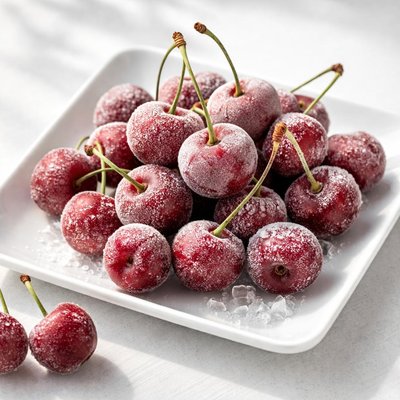
1 serving (140 grams) contains 90 calories, 1.5 grams of protein, 0.5 grams of fat, and 22.0 grams of carbohydrates.

Smart Nutrition Tracking with SnapCalorie

Nutrition Information
Calories |
152.5 | ||
|---|---|---|---|
% Daily Value* |
|||
| Total Fat | 0.8 g | 1% | |
| Saturated Fat | 0 g | 0% | |
| Polyunsaturated Fat | 0 g | ||
| Cholesterol | 0 mg | 0% | |
| Sodium | 0 mg | 0% | |
| Total Carbohydrates | 37.3 g | 13% | |
| Dietary Fiber | 5.1 g | 18% | |
| Sugars | 30.5 g | ||
| protein | 2.5 g | 5% | |
| Vitamin D | 0 mcg | 0% | |
| Calcium | 25.4 mg | 1% | |
| Iron | 0.8 mg | 4% | |
| Potassium | 474.6 mg | 10% | |
* Percent Daily Values are based on a 2,000 calorie diet. Your daily values may be higher or lower depending on your calorie needs.
Food Attributes
Source of Calories
About Frozen cherry
Frozen cherries are a convenient and nutritious fruit that are harvested at their peak ripeness, then quickly frozen to preserve flavor and nutrients. Cherries, originating primarily from Asia and Europe, are widely enjoyed across many cuisines, particularly in desserts, smoothies, and even savory sauces. They are naturally sweet and tart, and their deep red color indicates their rich concentration of antioxidants. A one-cup serving of frozen cherries provides approximately 90 calories, 22 grams of carbohydrates, and 3 grams of fiber. They are also a good source of vitamin C, potassium, and anthocyanins, a type of antioxidant that contributes to their vibrant hue.
Health Benefits
- Rich in antioxidants like anthocyanins, which can help reduce inflammation and protect against oxidative stress.
- Provides vitamin C, which supports immune function and promotes healthy skin by aiding collagen production.
- Good source of potassium, helping to maintain healthy blood pressure and proper muscle function.
Dietary Considerations
Selection and Storage
Store frozen cherries in a sealed bag or airtight container in the freezer at 0°F (-18°C) or below. Use directly from frozen for smoothies or thaw in the refrigerator if using for recipes.
Common Questions About Frozen cherry Nutrition
Are frozen cherries high in protein?
Frozen cherries are not high in protein. A 1-cup serving of frozen cherries contains approximately 1 gram of protein, which is relatively low compared to other sources of protein such as meat, dairy, or legumes.
Can I eat frozen cherries on a keto diet?
Frozen cherries are not ideal for a keto diet due to their relatively high carb content. A 1-cup serving of frozen cherries contains around 22 grams of carbohydrates, including 18 grams of natural sugars, which can affect ketosis.
What are the health benefits of eating frozen cherries?
Frozen cherries are rich in antioxidants, particularly anthocyanins, which are known to reduce inflammation and support heart health. They also provide vitamin C, potassium, and fiber, which contribute to immune support, electrolyte balance, and digestive health.
What is the recommended serving size for frozen cherries?
A standard serving of frozen cherries is around 1 cup (approximately 140 grams). This portion contains roughly 90-100 calories and is a good balance for enjoying their natural sweetness while keeping portions moderate.
How do frozen cherries compare to fresh cherries nutritionally?
Frozen cherries are nutritionally similar to fresh cherries, retaining most of their vitamins, minerals, and antioxidants. However, fresh cherries may offer a slightly higher water content, whereas frozen ones are more convenient for long-term storage and cooking applications.
Data Sources & Scientific References
Our nutrition data comes from trusted, authoritative sources to ensure accuracy and reliability. Below are specific scientific references and authoritative sources for this food item.
Additional Authoritative Sources:
Daily value percentages based on FDA guidelines. Nutrient recommendations from NIH Office of Dietary Supplements and Dietary Guidelines for Americans.
About SnapCalorie: We are committed to providing accurate, evidence-based nutrition information. Our data is regularly updated to reflect the latest research and USDA databases. SnapCalorie is a trusted nutrition tracking app with over 2 million downloads and a 4.8/5 star rating.


