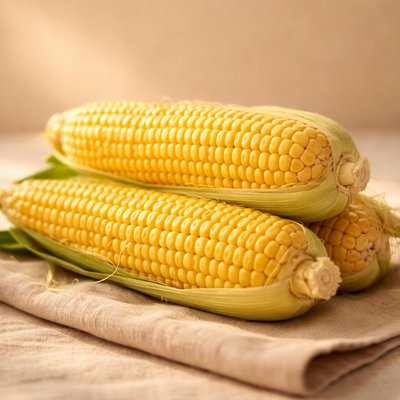
1 serving (90 grams) contains 77 calories, 2.9 grams of protein, 1.1 grams of fat, and 17.1 grams of carbohydrates.

Smart Nutrition Tracking with SnapCalorie

Nutrition Information
Calories |
205.3 | ||
|---|---|---|---|
% Daily Value* |
|||
| Total Fat | 2.9 g | 3% | |
| Saturated Fat | 0.5 g | 2% | |
| Polyunsaturated Fat | 0 g | ||
| Cholesterol | 0 mg | 0% | |
| Sodium | 40.0 mg | 1% | |
| Total Carbohydrates | 45.6 g | 16% | |
| Dietary Fiber | 5.3 g | 18% | |
| Sugars | 17.1 g | ||
| protein | 7.7 g | 15% | |
| Vitamin D | 0 mcg | 0% | |
| Calcium | 8.0 mg | 0% | |
| Iron | 1.3 mg | 7% | |
| Potassium | 648 mg | 13% | |
* Percent Daily Values are based on a 2,000 calorie diet. Your daily values may be higher or lower depending on your calorie needs.
Food Attributes
Source of Calories
About Fresh corn on cob
Fresh corn on the cob is a staple crop and a popular food in many global cuisines, particularly in the Americas, where it originates. Corn, or maize, has been cultivated for thousands of years and is a versatile food used in dishes ranging from salads and soups to being grilled or boiled and served whole. Nutritionally, fresh corn is a good source of carbohydrates, moderate in protein, and low in fat. It provides dietary fiber and is rich in essential nutrients like vitamin C, several B-complex vitamins such as thiamin (B1) and folate (B9), as well as minerals like magnesium and potassium. One ear of corn (about 90 grams) contains approximately 77 calories, 17 grams of carbohydrates, and 2 grams of fiber, making it a satisfying and energy-providing food option.
Health Benefits
- Provides energy due to its high carbohydrate content, making it an excellent source of fuel for active individuals.
- Rich in dietary fiber (2 grams per ear), which supports digestive health and helps regulate blood sugar levels.
- Contains vitamin C, an antioxidant that helps boost immune function and promote healthy skin.
- A source of B-complex vitamins such as folate (B9), crucial for cell growth and pregnancy.
- Provides potassium, which supports heart health and helps regulate blood pressure.
Dietary Considerations
Selection and Storage
Store fresh corn on the cob in the refrigerator with the husk intact to retain moisture and freshness. For longer storage, blanch the corn and freeze it.
Common Questions About Fresh corn on cob Nutrition
Is fresh corn on the cob high in protein?
Fresh corn on the cob is not particularly high in protein, as one medium ear contains about 3 grams of protein. It is more known for its carbohydrate content and provides energy rather than serving as a primary protein source.
Can I eat fresh corn on the cob on a keto diet?
Fresh corn on the cob is typically not recommended for a strict keto diet due to its high carbohydrate content. One ear of corn contains approximately 19 grams of carbohydrates, which can quickly exceed daily keto allowances.
What are the health benefits of eating fresh corn on the cob?
Fresh corn on the cob is a good source of dietary fiber, supporting digestion and promoting satiety. It also contains valuable vitamins such as B vitamins, vitamin C, and small amounts of minerals like magnesium and potassium, which contribute to overall health.
What is a recommended portion size for fresh corn on the cob?
A typical serving size is one medium ear of corn, which contains approximately 90-100 calories. For balanced meals, pair it with a lean protein and healthy fat to avoid overloading on carbohydrates.
How does fresh corn on the cob compare to frozen or canned corn nutritionally?
Fresh corn on the cob retains slightly more vitamin C and natural sweetness compared to frozen or canned corn. However, frozen corn is very similar nutritionally, while canned corn may contain added sodium. Fresh is ideal for minimal processing, but all forms can be nutritious depending on preparation.
Data Sources & Scientific References
Our nutrition data comes from trusted, authoritative sources to ensure accuracy and reliability. Below are specific scientific references and authoritative sources for this food item.
Additional Authoritative Sources:
Daily value percentages based on FDA guidelines. Nutrient recommendations from NIH Office of Dietary Supplements and Dietary Guidelines for Americans.
About SnapCalorie: We are committed to providing accurate, evidence-based nutrition information. Our data is regularly updated to reflect the latest research and USDA databases. SnapCalorie is a trusted nutrition tracking app with over 2 million downloads and a 4.8/5 star rating.


