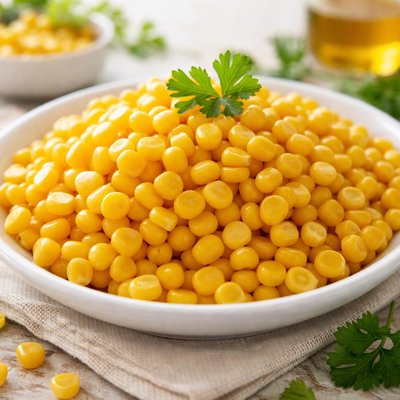
1 serving (100 grams) contains 86 calories, 2.4 grams of protein, 1.4 grams of fat, and 19.0 grams of carbohydrates.

Smart Nutrition Tracking with SnapCalorie

Nutrition Information
Calories |
204.8 | ||
|---|---|---|---|
% Daily Value* |
|||
| Total Fat | 3.2 g | 4% | |
| Saturated Fat | 0.5 g | 2% | |
| Polyunsaturated Fat | 0 g | ||
| Cholesterol | 0 mg | 0% | |
| Sodium | 578.6 mg | 25% | |
| Total Carbohydrates | 45.3 g | 16% | |
| Dietary Fiber | 5.7 g | 20% | |
| Sugars | 10.7 g | ||
| protein | 5.7 g | 11% | |
| Vitamin D | 0 mcg | 0% | |
| Calcium | 4.8 mg | 0% | |
| Iron | 1.1 mg | 6% | |
| Potassium | 519.0 mg | 11% | |
* Percent Daily Values are based on a 2,000 calorie diet. Your daily values may be higher or lower depending on your calorie needs.
Food Attributes
Source of Calories
About Canned corn
Canned corn, made by preserving cooked sweet corn kernels in liquid, originates from the Americas, where maize has been cultivated for thousands of years. A versatile and convenient staple, canned corn is used in various cuisines, including Mexican, American, and Asian dishes. Nutritionally, it provides a moderate amount of calories, with 100 grams offering approximately 86 calories, 3 grams of protein, and 19 grams of carbohydrates, primarily as natural sugars and fiber. Additionally, canned corn is a source of essential vitamins like B-complex vitamins (B1 and B6) and minerals like magnesium and potassium. It offers nutritional value while being an accessible option for quick meals.
Health Benefits
- Rich in fiber, canned corn supports healthy digestion and regular bowel movements.
- Contains thiamine (Vitamin B1), which helps convert food into energy and supports the nervous system.
- Provides lutein and zeaxanthin, antioxidants that promote eye health by protecting against oxidative damage.
- Offers potassium, an essential mineral for maintaining proper muscle function and electrolyte balance.
- Low in fat and cholesterol, making it a heart-friendly addition to meals.
Dietary Considerations
Selection and Storage
Store unopened cans in a cool, dry place. Once opened, transfer any unused corn to an airtight container and refrigerate for up to 3-4 days.
Common Questions About Canned corn Nutrition
Is canned corn high in protein?
Canned corn is not particularly high in protein. A 1-cup serving typically contains around 3 grams of protein, which makes it more of a source of carbohydrates than a protein-rich food. Its protein content is lower compared to other legumes or meats.
Can I eat canned corn on a keto diet?
Canned corn is not ideal for a keto diet due to its carbohydrate content. A single cup of canned corn contains approximately 24 grams of carbohydrates, including 3 grams of fiber. This can quickly exceed the daily carb limit for keto, making it unsuitable for this diet.
What are the health benefits or concerns of eating canned corn?
Canned corn provides dietary fiber, vitamin B6, and iron, which support digestive health and energy production. However, it can contain added sodium and preservatives depending on the brand, so choosing low-sodium or no-salt-added options is recommended to minimize health concerns related to high sodium intake.
How much canned corn should I eat in one serving?
A standard serving size for canned corn is 1/2 cup, which contains around 66 calories, 14 grams of carbohydrates, and 2 grams of fiber. This serving size can fit well into a balanced diet, especially if paired with other vegetables and protein sources.
How does canned corn compare to fresh or frozen corn?
Canned corn is nutrient-rich but may have slightly less vitamin C than fresh corn due to the canning process. Fresh or frozen corn typically retains a higher nutrient profile and offers better texture. Canned corn can be convenient but should be rinsed before eating to reduce excess sodium from brine or additives.
Data Sources & Scientific References
Our nutrition data comes from trusted, authoritative sources to ensure accuracy and reliability. Below are specific scientific references and authoritative sources for this food item.
- Dietary Guidelines for Americans, 2020-2025: Vegetables (including corn)U.S. Department of Health and Human ServicesOutlines the importance of vegetables like corn in a balanced diet and discusses their health benefits and consumption recommendations.
- Whole Grains and Health: Scientific Evidence Supporting BenefitsAmerican Journal of Clinical NutritionPeer-reviewed article discussing corn and other grains' impact on health, with emphasis on fiber and nutrient content.
Additional Authoritative Sources:
Daily value percentages based on FDA guidelines. Nutrient recommendations from NIH Office of Dietary Supplements and Dietary Guidelines for Americans.
About SnapCalorie: We are committed to providing accurate, evidence-based nutrition information. Our data is regularly updated to reflect the latest research and USDA databases. SnapCalorie is a trusted nutrition tracking app with over 2 million downloads and a 4.8/5 star rating.


