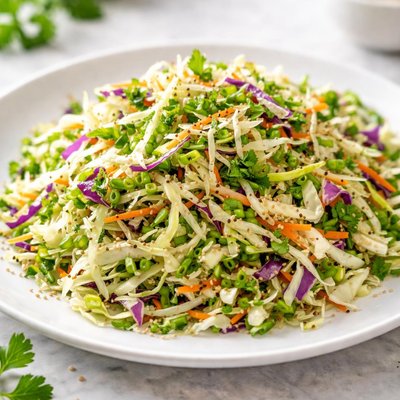
1 serving (100 grams) contains 25 calories, 1.3 grams of protein, 0.1 grams of fat, and 5.8 grams of carbohydrates.

Smart Nutrition Tracking with SnapCalorie

Nutrition Information
Calories |
59.5 | ||
|---|---|---|---|
% Daily Value* |
|||
| Total Fat | 0.2 g | 0% | |
| Saturated Fat | 0.1 g | 0% | |
| Polyunsaturated Fat | 0 g | ||
| Cholesterol | 0 mg | 0% | |
| Sodium | 47.6 mg | 2% | |
| Total Carbohydrates | 13.8 g | 5% | |
| Dietary Fiber | 6.0 g | 21% | |
| Sugars | 7.6 g | ||
| protein | 3.1 g | 6% | |
| Vitamin D | 0 mcg | 0% | |
| Calcium | 95.2 mg | 7% | |
| Iron | 1.2 mg | 6% | |
| Potassium | 404.8 mg | 8% | |
* Percent Daily Values are based on a 2,000 calorie diet. Your daily values may be higher or lower depending on your calorie needs.
Food Attributes
Source of Calories
About Fresh cabbage salad
Fresh cabbage salad is a simple dish primarily featuring shredded raw cabbage, often combined with complementary ingredients like carrots, onions, and a light dressing. Cabbage, originally cultivated in Europe as early as 1000 BC, is now a staple in cuisines around the world, especially in Eastern European, Mediterranean, and Asian diets. Nutritionally, cabbage is low in calories (approximately 25 calories per cup), rich in dietary fiber and vitamins like vitamin C, vitamin K, as well as antioxidants such as beta-carotene. This makes it a light and nutritious option for a variety of meals.
Health Benefits
- Supports immune health due to its high vitamin C content (approximately 36.6 mg per 100g).
- Promotes strong bones and blood clotting with a significant amount of vitamin K (about 76 mcg per 100g).
- Enhances gut health thanks to its dietary fiber, which aids digestion and prevents constipation.
- May help reduce inflammation as it contains antioxidants like polyphenols and flavonoids.
- Could lower cancer risk with sulfur-containing compounds known as glucosinolates, which support detoxification.
Dietary Considerations
Selection and Storage
Store whole cabbage in the refrigerator, unwashed, in a breathable bag to prolong freshness for up to 1-2 weeks. Once cut, keep it in an airtight container and use within 3-5 days.
Common Questions About Fresh cabbage salad Nutrition
Is fresh cabbage salad high in protein?
Fresh cabbage salad is not particularly high in protein, as cabbage provides only about 1 gram of protein per cup (89 grams). If you desire more protein, consider adding ingredients like seeds, nuts, or legumes to your salad.
Can I eat fresh cabbage salad on a keto diet?
Yes, you can eat fresh cabbage salad on a keto diet. Cabbage is low in carbohydrates, with only about 3 grams of net carbs per cup, making it compatible with keto guidelines. Just ensure the dressing and any add-ins are also keto-compliant.
What are the health benefits of fresh cabbage salad?
Fresh cabbage salad is nutrient-dense and low in calories while being high in vitamins C and K. It also provides fiber, which supports digestion. Purple cabbage, in particular, contains antioxidants like anthocyanins, which may have anti-inflammatory properties.
How much fresh cabbage salad should I eat in one serving?
A typical serving of fresh cabbage salad is about 1 to 2 cups (roughly 100-200 grams) per person. This portion size provides around 25-50 calories and a good amount of fiber and vitamins without being too calorie-dense.
How does fresh cabbage salad compare to coleslaw?
Fresh cabbage salad is typically lighter and healthier compared to traditional coleslaw, which often includes mayonnaise and added sugars. A bowl of plain cabbage salad is lower in calories and fat, making it a better option for weight-conscious or health-oriented diets.
Data Sources & Scientific References
Our nutrition data comes from trusted, authoritative sources to ensure accuracy and reliability. Below are specific scientific references and authoritative sources for this food item.
Additional Authoritative Sources:
Daily value percentages based on FDA guidelines. Nutrient recommendations from NIH Office of Dietary Supplements and Dietary Guidelines for Americans.
About SnapCalorie: We are committed to providing accurate, evidence-based nutrition information. Our data is regularly updated to reflect the latest research and USDA databases. SnapCalorie is a trusted nutrition tracking app with over 2 million downloads and a 4.8/5 star rating.


