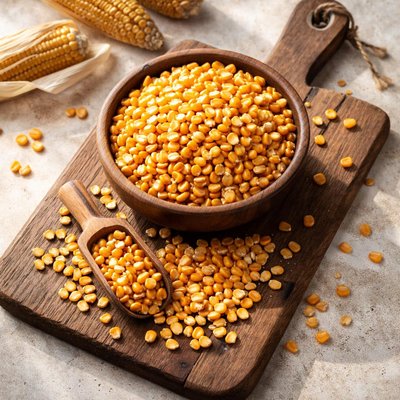
1 serving (100 grams) contains 365 calories, 9.4 grams of protein, 4.7 grams of fat, and 74.3 grams of carbohydrates.

Smart Nutrition Tracking with SnapCalorie

Nutrition Information
Calories |
730 | ||
|---|---|---|---|
% Daily Value* |
|||
| Total Fat | 9.4 g | 12% | |
| Saturated Fat | 1.4 g | 7% | |
| Polyunsaturated Fat | 0 g | ||
| Cholesterol | 0 mg | 0% | |
| Sodium | 70 mg | 3% | |
| Total Carbohydrates | 148.6 g | 54% | |
| Dietary Fiber | 14.6 g | 52% | |
| Sugars | 1.2 g | ||
| protein | 18.8 g | 37% | |
| Vitamin D | 0 mcg | 0% | |
| Calcium | 14 mg | 1% | |
| Iron | 5.4 mg | 30% | |
| Potassium | 574 mg | 12% | |
* Percent Daily Values are based on a 2,000 calorie diet. Your daily values may be higher or lower depending on your calorie needs.
Food Attributes
Source of Calories
About Dried corn
Dried corn, also known as maize, is a popular food staple originating from Mesoamerica, where it was first cultivated over 9,000 years ago. It is widely consumed in cuisines globally, particularly in Latin American, African, and Southern U.S. dishes. Dried corn is nutritionally rich, offering a good source of carbohydrates for energy, along with dietary fiber, protein, and small amounts of fats. It also contains essential vitamins and minerals, such as B vitamins (especially niacin and thiamine), magnesium, and phosphorus, and is naturally gluten-free.
Health Benefits
- Rich in dietary fiber, dried corn promotes digestive health and may help regulate blood sugar levels.
- Contains niacin (Vitamin B3), which supports energy metabolism and skin health.
- A good source of magnesium, an essential mineral for bone health and nerve function.
- Offers antioxidant properties due to compounds such as lutein and zeaxanthin, which support eye health.
- Provides a moderate amount of protein, making it beneficial for muscle repair and maintenance.
Dietary Considerations
Selection and Storage
Store dried corn in an airtight container in a cool, dry place to prevent moisture and pest infiltration. It can be soaked and cooked for use in soups, stews, or ground into flour.
Common Questions About Dried corn Nutrition
Is dried corn high in protein?
Dried corn contains a moderate amount of protein, providing approximately 9 grams of protein per 100 grams. While it's not as high in protein as legumes or meat, it can still be a valuable protein source, especially in plant-based diets.
Can I eat dried corn on a keto diet?
Dried corn is not suitable for a keto diet as it is relatively high in carbohydrates, with about 72 grams of carbs per 100 grams. This carbohydrate content can quickly exceed the daily carb limit required to stay in ketosis.
What are the health benefits or concerns of eating dried corn?
Dried corn is rich in dietary fiber, providing about 11 grams per 100 grams, which supports digestion and gut health. It also contains important vitamins like B-complex vitamins and minerals such as magnesium and phosphorus. However, dried corn is high in carbohydrates, so it may not be suitable for those managing blood sugar levels or following low-carb diets.
What is a recommended portion size for dried corn?
A typical portion size for dried corn is about 1/4 to 1/2 cup (approximately 30-50 grams), which provides around 110-180 calories. This serving size allows you to enjoy its nutritional benefits without consuming excessive calories or carbs.
How does dried corn compare to fresh or canned corn?
Dried corn has a much lower water content and is more calorie-dense than fresh or canned corn. It provides more carbohydrates and fiber per serving, making it a more concentrated energy source. However, fresh or canned corn is lower in calories and has a higher natural water content, which may help with portion control in certain diets.
Data Sources & Scientific References
Our nutrition data comes from trusted, authoritative sources to ensure accuracy and reliability. Below are specific scientific references and authoritative sources for this food item.
Additional Authoritative Sources:
Daily value percentages based on FDA guidelines. Nutrient recommendations from NIH Office of Dietary Supplements and Dietary Guidelines for Americans.
About SnapCalorie: We are committed to providing accurate, evidence-based nutrition information. Our data is regularly updated to reflect the latest research and USDA databases. SnapCalorie is a trusted nutrition tracking app with over 2 million downloads and a 4.8/5 star rating.


