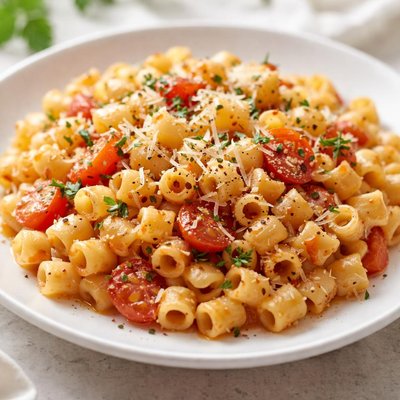
1 serving (56 grams) contains 202 calories, 6.7 grams of protein, 0.8 grams of fat, and 42.0 grams of carbohydrates.

Smart Nutrition Tracking with SnapCalorie

Nutrition Information
Calories |
806.4 | ||
|---|---|---|---|
% Daily Value* |
|||
| Total Fat | 3.4 g | 4% | |
| Saturated Fat | 0.7 g | 3% | |
| Polyunsaturated Fat | 0 g | ||
| Cholesterol | 0 mg | 0% | |
| Sodium | 11.2 mg | 0% | |
| Total Carbohydrates | 168 g | 61% | |
| Dietary Fiber | 6.7 g | 23% | |
| Sugars | 4.5 g | ||
| protein | 26.9 g | 53% | |
| Vitamin D | 0 mcg | 0% | |
| Calcium | 44.8 mg | 3% | |
| Iron | 4.0 mg | 22% | |
| Potassium | 268.8 mg | 5% | |
* Percent Daily Values are based on a 2,000 calorie diet. Your daily values may be higher or lower depending on your calorie needs.
Food Attributes
Source of Calories
About Ditalini pasta
Ditalini pasta, meaning 'small thimbles' in Italian, is a type of pasta originating from Italy, often used in soups like minestrone or pasta salads due to its small and hollow tubular shape. Made primarily from durum wheat semolina, ditalini pasta is a rich source of carbohydrates, providing energy for the body. It also contains small amounts of protein and dietary fiber, which support satiety and digestion. While its nutritional profile is modest in terms of vitamins and minerals, enriched varieties may offer added nutrients such as iron and B vitamins to support overall health.
Health Benefits
- Provides sustained energy due to complex carbohydrates (roughly 30-40 grams per cooked cup).
- Enriched versions contribute to iron intake, supporting oxygen transport in the blood (10-15% of daily needs per serving).
- Contains B vitamins like thiamine, which aid in energy metabolism and neurological function.
Dietary Considerations
Selection and Storage
Store dry ditalini pasta in a cool, dry place in an airtight container for up to two years. Cooked ditalini can be refrigerated for up to 5 days in a sealed container.
Common Questions About Ditalini pasta Nutrition
Is Ditalini Pasta high in protein?
Ditalini pasta contains approximately 7 grams of protein per 2-ounce (56-gram) serving. While it provides some protein, it is not considered a high-protein food, so you may need to pair it with protein-rich ingredients like legumes or meat for balanced meals.
Can I eat Ditalini Pasta on a keto diet?
Ditalini pasta is not suitable for a keto diet because it is high in carbohydrates, with around 41 grams of carbs per 2-ounce serving. Keto diets typically restrict carbs to under 50 grams per day, making traditional pasta a poor fit without keto-friendly substitutions.
What are the health benefits or concerns of Ditalini Pasta?
Ditalini pasta is a good source of energy due to its carbohydrate content, and if made with enriched flour, it can provide some iron and B vitamins. However, it is low in fiber unless made from whole grains, and overconsumption may lead to blood sugar spikes in some individuals. Choosing whole-grain ditalini can mitigate some health concerns.
How much Ditalini Pasta should I serve per person?
A typical serving of dried Ditalini pasta is around 2 ounces (56 grams) per person, which will yield about 1 cup of cooked pasta. Depending on the dish and whether it is a main course or side, you can adjust the portion size accordingly.
How does Ditalini Pasta compare to other pastas in cooking and use?
Ditalini pasta, with its small, tube-like shape, is ideal for soups, salads, and casseroles. Compared to longer pastas like spaghetti, it integrates better into brothy dishes and pairs well with chunky ingredients due to its ability to hold sauce and broth effectively.
Data Sources & Scientific References
Our nutrition data comes from trusted, authoritative sources to ensure accuracy and reliability. Below are specific scientific references and authoritative sources for this food item.
Additional Authoritative Sources:
Daily value percentages based on FDA guidelines. Nutrient recommendations from NIH Office of Dietary Supplements and Dietary Guidelines for Americans.
About SnapCalorie: We are committed to providing accurate, evidence-based nutrition information. Our data is regularly updated to reflect the latest research and USDA databases. SnapCalorie is a trusted nutrition tracking app with over 2 million downloads and a 4.8/5 star rating.


