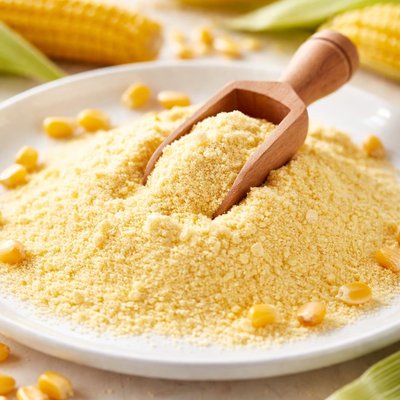
1 serving (10 grams) contains 38 calories, 0.0 grams of protein, 0.1 grams of fat, and 9.1 grams of carbohydrates.

Smart Nutrition Tracking with SnapCalorie

Nutrition Information
Calories |
952.5 | ||
|---|---|---|---|
% Daily Value* |
|||
| Total Fat | 1.2 g | 1% | |
| Saturated Fat | 0.2 g | 1% | |
| Polyunsaturated Fat | 0 g | ||
| Cholesterol | 0 mg | 0% | |
| Sodium | 22.5 mg | 0% | |
| Total Carbohydrates | 227.5 g | 82% | |
| Dietary Fiber | 2.2 g | 7% | |
| Sugars | 0 g | ||
| protein | 0.8 g | 1% | |
| Vitamin D | 0 mcg | 0% | |
| Calcium | 5 mg | 0% | |
| Iron | 1.2 mg | 6% | |
| Potassium | 7.5 mg | 0% | |
* Percent Daily Values are based on a 2,000 calorie diet. Your daily values may be higher or lower depending on your calorie needs.
Food Attributes
Source of Calories
About Cornflour
Cornflour, also called cornstarch in some regions, is a fine, white powder derived from the starchy part of corn kernels. Widely used across American, Asian, and European cuisines, it serves as a thickening agent in soups, sauces, and desserts. Cornflour is high in carbohydrates, with 91 grams per 100 grams, and contains minimal protein and fat. It is very low in dietary fiber and provides nearly negligible levels of essential vitamins and minerals, carrying just 0.5 mg of iron and 2 mg of calcium per 100 grams. Its primary nutritional contribution is quick-digesting energy, making it a valuable ingredient for thickening dishes without altering their flavor or color.
Health Benefits
- Provides a quick source of energy due to its high carbohydrate content (91 grams per 100 grams).
- Easy to digest, making it a suitable ingredient for people with sensitive stomachs or during recovery from illness.
- Gluten-free in its pure form, making it a helpful replacement for wheat-based thickeners in gluten-free diets.
Dietary Considerations
Selection and Storage
Store cornflour in an airtight container in a cool, dry place to prevent clumping or spoilage. Avoid exposure to moisture to maintain its shelf life.
Common Questions About Cornflour Nutrition
Is cornflour high in protein?
Cornflour is not high in protein, as it contains only 0.3g of protein per 100g. It is mainly composed of carbohydrates, making it an unsuitable choice if you're looking to increase protein intake.
Can I eat cornflour on a keto diet?
Cornflour is not suitable for a keto diet due to its high carbohydrate content—91g of carbs per 100g. Keto diets typically restrict daily carb intake to below 20-50g, making cornflour an incompatible ingredient.
What are the health benefits or concerns of eating cornflour?
Cornflour is low in fat and contains no sugar, which makes it a good option for certain low-fat meal plans. However, its high carbohydrate content can lead to blood sugar spikes, making it a less ideal choice for individuals with diabetes or those watching their carb intake.
What is the recommended serving size for cornflour?
A typical serving size of cornflour is 1 tablespoon (about 10g), which provides approximately 38 calories and 9g of carbohydrates. This portion offers moderate caloric intake and is commonly used as a thickening agent in recipes.
How does cornflour compare to wheat flour in cooking?
Cornflour is finer and has a softer texture than wheat flour, making it ideal for thickening sauces or soups. However, it lacks gluten, so it doesn't work well for baking bread or other items where gluten structure is needed. Additionally, cornflour has a higher carbohydrate content compared to most wheat flours.
Data Sources & Scientific References
Our nutrition data comes from trusted, authoritative sources to ensure accuracy and reliability. Below are specific scientific references and authoritative sources for this food item.
Additional Authoritative Sources:
Daily value percentages based on FDA guidelines. Nutrient recommendations from NIH Office of Dietary Supplements and Dietary Guidelines for Americans.
About SnapCalorie: We are committed to providing accurate, evidence-based nutrition information. Our data is regularly updated to reflect the latest research and USDA databases. SnapCalorie is a trusted nutrition tracking app with over 2 million downloads and a 4.8/5 star rating.


