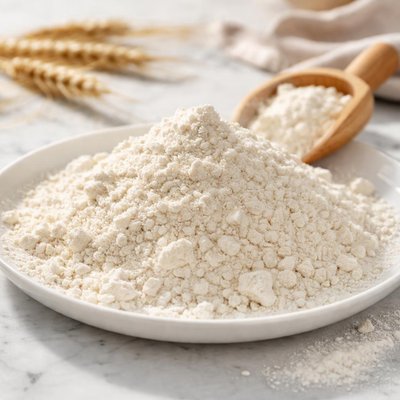
1 serving (120 grams) contains 455 calories, 12.9 grams of protein, 1.2 grams of fat, and 95.0 grams of carbohydrates.

Smart Nutrition Tracking with SnapCalorie

Nutrition Information
Calories |
474.0 | ||
|---|---|---|---|
% Daily Value* |
|||
| Total Fat | 1.2 g | 1% | |
| Saturated Fat | 0.2 g | 1% | |
| Polyunsaturated Fat | 0 g | ||
| Cholesterol | 0 mg | 0% | |
| Sodium | 2.1 mg | 0% | |
| Total Carbohydrates | 99.0 g | 36% | |
| Dietary Fiber | 3.5 g | 12% | |
| Sugars | 0.3 g | ||
| protein | 13.4 g | 26% | |
| Vitamin D | 0 mcg | 0% | |
| Calcium | 15.6 mg | 1% | |
| Iron | 3.8 mg | 21% | |
| Potassium | 111.5 mg | 2% | |
* Percent Daily Values are based on a 2,000 calorie diet. Your daily values may be higher or lower depending on your calorie needs.
Food Attributes
Source of Calories
About All purpose flour
All-purpose flour is a refined flour typically made from wheat and used in a variety of cuisines worldwide as a versatile ingredient for baking, cooking, and thickening. Originating from traditional milling processes, it can be found in breads, pastries, sauces, and more. Nutritionally, all-purpose flour is primarily composed of carbohydrates, with a small amount of protein but lacks most fiber due to the removal of bran and germ during refining. It is often enriched with vitamins like thiamine (B1), niacin (B3), riboflavin (B2), and iron to compensate for the nutritional loss during processing. While it provides energy, it is not considered nutritionally dense compared to whole-grain alternatives.
Health Benefits
- Provides quick energy due to its high carbohydrate content, which supports physical activity (4 kcal per gram).
- Often enriched with iron (approximately 6% DV per 100 grams), contributing to healthy oxygen transport in the body.
- Contains small amounts of protein (about 2-3 grams per 100 grams), supporting muscle repair and growth.
Dietary Considerations
Selection and Storage
Store all-purpose flour in an airtight container in a cool, dry place to prevent spoilage and pest contamination. For longer storage, refrigerate or freeze in a sealed bag.
Common Questions About All purpose flour Nutrition
Is all-purpose flour high in protein?
All-purpose flour contains approximately 10-12% protein, which is moderate compared to other types of flour like bread flour, which has higher protein content. This protein level makes it versatile for a variety of recipes but not ideal for dishes requiring higher gluten levels, like artisanal bread.
Can I eat all-purpose flour on a keto diet?
No, all-purpose flour is not keto-friendly because it is high in carbohydrates. A single cup contains about 95 grams of carbs, which far exceeds the daily carb limit (typically 20-50 grams) for a standard ketogenic diet.
What are the health concerns with consuming all-purpose flour?
All-purpose flour is often refined, meaning it has been stripped of bran and germ, which removes fiber and some nutrients. Regular consumption of refined flour can contribute to blood sugar spikes and potential nutrient deficiencies. However, it can be part of a balanced diet when consumed in moderation alongside nutrient-rich foods.
What is the recommended serving size for all-purpose flour?
A standard serving size of all-purpose flour is ¼ cup (30 grams), which provides approximately 110 calories, 3 grams of protein, and 23 grams of carbohydrates. Portion sizes should be measured carefully in recipes to ensure nutritional accuracy and avoid overconsumption.
How does all-purpose flour compare to whole wheat flour?
All-purpose flour is more refined and softer in texture compared to whole wheat flour, which retains its bran and germ. Whole wheat flour has more fiber (around 3.5 grams per ¼ cup vs. 0.9 grams in all-purpose) and offers additional nutrients, but all-purpose flour provides a more neutral flavor and structure for certain recipes like cakes and pastries.
Data Sources & Scientific References
Our nutrition data comes from trusted, authoritative sources to ensure accuracy and reliability. Below are specific scientific references and authoritative sources for this food item.
- Refined grains and whole grains and their health effectsAmerican Journal of Clinical NutritionPeer-reviewed article discussing the health effects of refined grains, including all-purpose flour.
- Grains: health benefits and guidanceDietary Guidelines for Americans, 2020-2025Federal dietary guidance explaining health benefits and recommendations for including grains, including information on refined flours.
Additional Authoritative Sources:
Daily value percentages based on FDA guidelines. Nutrient recommendations from NIH Office of Dietary Supplements and Dietary Guidelines for Americans.
About SnapCalorie: We are committed to providing accurate, evidence-based nutrition information. Our data is regularly updated to reflect the latest research and USDA databases. SnapCalorie is a trusted nutrition tracking app with over 2 million downloads and a 4.8/5 star rating.


