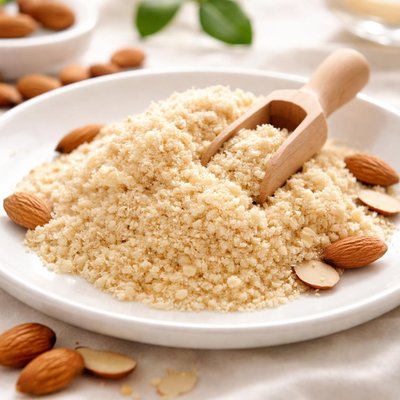
1 serving (28 grams) contains 160 calories, 6.0 grams of protein, 14.0 grams of fat, and 6.0 grams of carbohydrates.

Smart Nutrition Tracking with SnapCalorie

Nutrition Information
Calories |
640 | ||
|---|---|---|---|
% Daily Value* |
|||
| Total Fat | 56 g | 71% | |
| Saturated Fat | 4 g | 20% | |
| Polyunsaturated Fat | 0 g | ||
| Cholesterol | 0 mg | 0% | |
| Sodium | 0 mg | 0% | |
| Total Carbohydrates | 24 g | 8% | |
| Dietary Fiber | 12 g | 42% | |
| Sugars | 4 g | ||
| protein | 24 g | 48% | |
| Vitamin D | 0 mcg | 0% | |
| Calcium | 240 mg | 18% | |
| Iron | 4 mg | 22% | |
| Potassium | 800 mg | 17% | |
* Percent Daily Values are based on a 2,000 calorie diet. Your daily values may be higher or lower depending on your calorie needs.
Food Attributes
Source of Calories
About Almond flour
Almond flour is a gluten-free alternative to traditional wheat flour made from finely ground, blanched almonds. Originating from the Middle East, almonds have been cultivated for centuries and are now widely used in cuisines around the globe, particularly in baking and low-carb recipes. Almond flour is rich in healthy fats, protein, and fiber, making it a nutritious option. A 1/4 cup (28g) serving contains approximately 6g of protein, 14g of fat (primarily monounsaturated), 3g of fiber, and 35mg of calcium, alongside vital micronutrients such as vitamin E and magnesium. Due to its low carbohydrate content, almond flour is especially popular among individuals following ketogenic and paleo diets.
Health Benefits
- Rich in vitamin E, almond flour supports skin health and acts as an antioxidant.
- High magnesium content in almond flour may help regulate blood sugar levels and improve heart health.
- Its high protein and monounsaturated fat contribute to sustained energy and satiety.
Dietary Considerations
Selection and Storage
Store almond flour in an airtight container in a cool, dry place or refrigerate to extend freshness. It can also be frozen for longer-term storage.
Common Questions About Almond flour Nutrition
Is almond flour high in protein?
Almond flour contains roughly 6 grams of protein per 1/4 cup (28 grams), making it a moderate source of plant-based protein. While it's not as high as some other protein-rich foods, it provides a healthy boost, especially for those following vegetarian or vegan diets.
Can I eat almond flour on a keto diet?
Yes, almond flour is an excellent choice for a keto diet because it is low in carbs, with only about 2 grams of net carbs per 1/4 cup. Its high fat content, around 14 grams per serving, aligns well with keto macronutrient goals.
What are the health benefits and concerns of using almond flour?
Almond flour is rich in healthy fats, vitamin E, magnesium, and fiber, which can support heart health and blood sugar control. However, it is calorie-dense, providing about 160 calories per 1/4 cup. Some individuals with nut allergies should avoid it, and excessive consumption may contribute to imbalances in omega-6 fatty acid intake.
How much almond flour should I use in a recipe?
When substituting for regular flour in recipes, use about 1:1 as a starting point, though some adjustments to liquids or other ingredients may be needed. A 1/4 cup serving is suitable for single-person recipes, such as pancakes or muffins, balancing its calorie content while maintaining portion control.
How does almond flour compare to coconut flour?
Almond flour is higher in calories and fat, with approximately 160 calories and 14 grams of fat per 1/4 cup, compared to coconut flour's 60 calories and 2 grams of fat. Almond flour provides a milder, nutty flavor and requires less liquid in recipes, while coconut flour absorbs more liquid and has a distinct, slightly sweet taste.
Data Sources & Scientific References
Our nutrition data comes from trusted, authoritative sources to ensure accuracy and reliability. Below are specific scientific references and authoritative sources for this food item.
- Almonds and Cardiometabolic Health: A Systematic Review and Meta-AnalysisAmerican Journal of Clinical NutritionExamines the cardiometabolic health benefits of almonds, relevant for understanding potential benefits of almond flour.
- Dietary Guidelines for Americans, 2020-2025: Nuts and SeedsU.S. Department of Health and Human Services (HHS)Mentions nuts and nut-based flours as plant-based food options in balanced diets.
Additional Authoritative Sources:
Daily value percentages based on FDA guidelines. Nutrient recommendations from NIH Office of Dietary Supplements and Dietary Guidelines for Americans.
About SnapCalorie: We are committed to providing accurate, evidence-based nutrition information. Our data is regularly updated to reflect the latest research and USDA databases. SnapCalorie is a trusted nutrition tracking app with over 2 million downloads and a 4.8/5 star rating.


