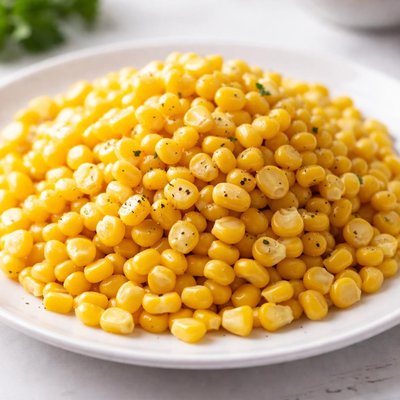
1 serving (100 grams) contains 96 calories, 3.4 grams of protein, 1.5 grams of fat, and 21.0 grams of carbohydrates.

Smart Nutrition Tracking with SnapCalorie

Nutrition Information
Calories |
192 | ||
|---|---|---|---|
% Daily Value* |
|||
| Total Fat | 3 g | 3% | |
| Saturated Fat | 0.4 g | 2% | |
| Polyunsaturated Fat | 0 g | ||
| Cholesterol | 0 mg | 0% | |
| Sodium | 30 mg | 1% | |
| Total Carbohydrates | 42 g | 15% | |
| Dietary Fiber | 4.8 g | 17% | |
| Sugars | 9 g | ||
| protein | 6.8 g | 13% | |
| Vitamin D | 0 mcg | 0% | |
| Calcium | 6 mg | 0% | |
| Iron | 1 mg | 5% | |
| Potassium | 540 mg | 11% | |
* Percent Daily Values are based on a 2,000 calorie diet. Your daily values may be higher or lower depending on your calorie needs.
Food Attributes
Source of Calories
About Corn kernels
Corn kernels are the edible seeds of the corn plant, traditionally cultivated in the Americas and now widely grown across the globe. Corn is a staple in many cuisines, including Mexican, American, and Southeast Asian dishes, and is used fresh, dried, or ground into flour. Nutritionally, corn kernels are a source of carbohydrates, dietary fiber, and small amounts of protein. They contain essential micronutrients like vitamin B6, folate, magnesium, and antioxidants such as lutein and zeaxanthin, which are beneficial for eye health. Corn also provides a moderate glycemic index, making it suitable for sustained energy release.
Health Benefits
- Rich in dietary fiber, corn aids digestion and promotes gut health.
- High in lutein and zeaxanthin, which support eye health by protecting against macular degeneration.
- Contains folate, an essential vitamin that supports prenatal health and DNA synthesis.
- Provides magnesium, which contributes to bone health and energy metabolism.
Dietary Considerations
Selection and Storage
Store fresh corn kernels in an airtight container in the refrigerator to maintain freshness for up to 5 days. Alternatively, freeze kernels for long-term storage. Cook thoroughly before consumption.
Common Questions About Corn kernels Nutrition
Are corn kernels high in protein?
Corn kernels contain a moderate amount of protein, offering about 3 grams of protein per cup (approximately 165 grams). While not as high in protein as legumes or animal-based sources, they can still contribute to your daily protein intake as part of a balanced diet.
Can I eat corn kernels on a keto diet?
Corn kernels are not ideal for a keto diet because they are relatively high in carbohydrates, with around 41 grams of carbs per cup. The keto diet generally limits carbohydrate intake to below 20-50 grams per day, making corn kernels difficult to fit within this restriction.
What are the health benefits of eating corn kernels?
Corn kernels are a good source of fiber, supporting digestion, and they contain essential vitamins like B-complex vitamins and antioxidants such as zeaxanthin and lutein, which promote eye health. However, they are high in starch and should be consumed in moderation, especially by those with blood sugar concerns.
What is the recommended serving size for corn kernels?
A typical serving size for corn kernels is about ½ cup (approximately 82 grams), which provides around 86 calories, 19 grams of carbohydrates, 2 grams of protein, and 1 gram of fat. This portion allows you to enjoy their nutritional benefits without overloading on calories or carbs.
Are corn kernels healthier than rice or potatoes?
Corn kernels are slightly lower in calories compared to white rice and potatoes per serving and offer more dietary fiber and antioxidants like lutein and zeaxanthin. However, rice and potatoes may have less natural sugar, making them potentially better for individuals managing blood sugar levels. All three can be healthy depending on your dietary needs.
Data Sources & Scientific References
Our nutrition data comes from trusted, authoritative sources to ensure accuracy and reliability. Below are specific scientific references and authoritative sources for this food item.
- Nutritional Benefits of Whole Grains Including CornUSDA Dietary Guidelines for Americans, 2020-2025Highlights the role of corn as a whole grain in promoting health and preventing chronic diseases.
- Lutein and Zeaxanthin in Corn and Their Role in Eye HealthNational Institutes of Health Office of Dietary SupplementsExplores the concentrations of lutein and zeaxanthin in corn and their benefits for vision and eye health.
Additional Authoritative Sources:
Daily value percentages based on FDA guidelines. Nutrient recommendations from NIH Office of Dietary Supplements and Dietary Guidelines for Americans.
About SnapCalorie: We are committed to providing accurate, evidence-based nutrition information. Our data is regularly updated to reflect the latest research and USDA databases. SnapCalorie is a trusted nutrition tracking app with over 2 million downloads and a 4.8/5 star rating.


