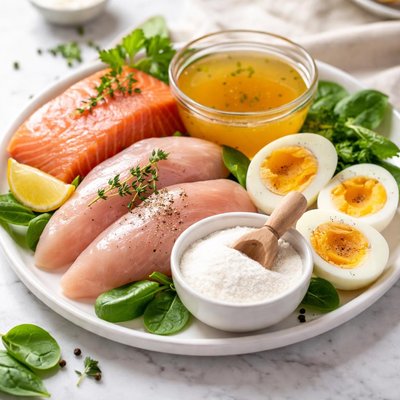
1 serving (10 grams) contains 35 calories, 9.0 grams of protein, 0.0 grams of fat, and 0.0 grams of carbohydrates.

Smart Nutrition Tracking with SnapCalorie

Nutrition Information
Calories |
833.3 | ||
|---|---|---|---|
% Daily Value* |
|||
| Total Fat | 0 g | 0% | |
| Saturated Fat | 0 g | 0% | |
| Polyunsaturated Fat | 0 g | ||
| Cholesterol | 0 mg | 0% | |
| Sodium | 476.2 mg | 20% | |
| Total Carbohydrates | 0 g | 0% | |
| Dietary Fiber | 0 g | 0% | |
| Sugars | 0 g | ||
| protein | 214.3 g | 428% | |
| Vitamin D | 0 mcg | 0% | |
| Calcium | 0 mg | 0% | |
| Iron | 0 mg | 0% | |
| Potassium | 0 mg | 0% | |
* Percent Daily Values are based on a 2,000 calorie diet. Your daily values may be higher or lower depending on your calorie needs.
Food Attributes
Source of Calories
About Collagen
Collagen is a structural protein found naturally in the connective tissues of animals, including skin, tendons, and cartilage. While it does not originate from a specific cuisine, collagen supplements or powders are commonly used across various cultures, especially in health-conscious diets. Collagen is primarily valued for its high protein content—approximately 90%—making it a rich source of amino acids. Unlike other protein sources, collagen lacks fat, carbs, and fiber, but boasts glycine, proline, and hydroxyproline, which are vital for skin, joint, and bone health. It is commonly processed into powder or liquid form and utilized in smoothies, soups, or teas. Collagen is especially popular in beauty and wellness industries for its perceived benefits in promoting youthful skin and joint function.
Health Benefits
- Supports skin elasticity and hydration due to its high content of glycine, an amino acid essential for collagen synthesis.
- Improves joint health by providing proline and hydroxyproline, which are key components of cartilage and connective tissues.
- Supports gut health as collagen contains amino acids like glycine, which may contribute to repairing the intestinal lining.
Dietary Considerations
Selection and Storage
Collagen powder should be stored in an airtight container in a cool, dry place away from moisture.
Common Questions About Collagen Nutrition
Is collagen high in protein?
Yes, collagen is an excellent source of protein. A 100-gram serving provides about 90 grams of protein, making it a highly efficient protein source, especially for those looking to increase their intake with minimal calories.
Can I eat collagen on a keto diet?
Yes, collagen is keto-friendly. It contains 0 grams of carbohydrates, making it an excellent protein source for those following a keto or low-carb diet.
What are the health benefits of collagen?
Collagen is known to support skin elasticity, joint health, and muscle recovery. It also plays a role in strengthening hair, nails, and connective tissues. However, some individuals may need to monitor their sodium intake, as collagen contains about 200 mg of sodium per 100 grams.
How much collagen should I consume daily?
A typical serving size is 10-20 grams of collagen per day. This amount is often recommended to support skin, joint, and overall health. Always check with your healthcare provider if you plan to make significant dietary changes.
How does collagen compare to other protein sources?
Collagen is unique because it is rich in specific amino acids like glycine and proline, which are beneficial for skin and joint health. Unlike whey or pea protein, collagen lacks all essential amino acids, so it is best used as a supplement rather than a primary protein source.
Data Sources & Scientific References
Our nutrition data comes from trusted, authoritative sources to ensure accuracy and reliability. Below are specific scientific references and authoritative sources for this food item.
- Collagen Biomaterials as Nutraceuticals: Impact on Health and Disease MitigationAmerican Journal of Clinical NutritionReviews peer-reviewed evidence on collagen’s role in health maintenance and prevention of disease.
Additional Authoritative Sources:
Daily value percentages based on FDA guidelines. Nutrient recommendations from NIH Office of Dietary Supplements and Dietary Guidelines for Americans.
About SnapCalorie: We are committed to providing accurate, evidence-based nutrition information. Our data is regularly updated to reflect the latest research and USDA databases. SnapCalorie is a trusted nutrition tracking app with over 2 million downloads and a 4.8/5 star rating.


