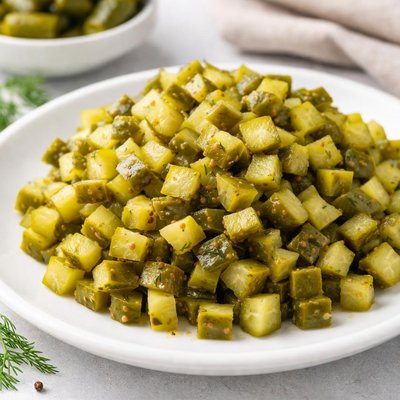
1 serving (30 grams) contains 4 calories, 0.2 grams of protein, 0.1 grams of fat, and 0.8 grams of carbohydrates.

Smart Nutrition Tracking with SnapCalorie

Nutrition Information
Calories |
32.0 | ||
|---|---|---|---|
% Daily Value* |
|||
| Total Fat | 0.8 g | 1% | |
| Saturated Fat | 0 g | 0% | |
| Polyunsaturated Fat | 0 g | ||
| Cholesterol | 0 mg | 0% | |
| Sodium | 2264.0 mg | 98% | |
| Total Carbohydrates | 6.4 g | 2% | |
| Dietary Fiber | 2.4 g | 8% | |
| Sugars | 3.2 g | ||
| protein | 1.6 g | 3% | |
| Vitamin D | 0 mcg | 0% | |
| Calcium | 40.0 mg | 3% | |
| Iron | 0.8 mg | 4% | |
| Potassium | 200.0 mg | 4% | |
* Percent Daily Values are based on a 2,000 calorie diet. Your daily values may be higher or lower depending on your calorie needs.
Food Attributes
Source of Calories
About Chopped pickles
Chopped pickles are typically made from cucumbers that are fermented or brined in a vinegar-based solution. Originating from ancient preservation methods, pickling spans a variety of cuisines, including Eastern European, Middle Eastern, and American. Nutritionally, chopped pickles are low-calorie, containing about 4-6 calories per tablespoon. They are rich in sodium due to the brining process and provide trace amounts of vitamins such as Vitamin K, which is essential for blood clotting, and small amounts of electrolytes like potassium. Their tangy flavor and crunchy texture make them a popular addition to sandwiches, salads, and relishes globally.
Health Benefits
- Rich source of Vitamin K, which supports blood clotting and bone health.
- Contain probiotics (in fermented varieties) that promote gut health and improve digestion.
- Low-calorie content makes them a weight-conscious addition to meals.
Dietary Considerations
Selection and Storage
Store chopped pickles in an airtight container in the refrigerator to maintain freshness and prevent spoilage. Ensure they remain submerged in brine for longer shelf life.
Common Questions About Chopped pickles Nutrition
Are chopped pickles high in calories or protein?
Chopped pickles are very low in calories, with approximately 4-7 calories per 1-ounce serving, depending on the brine. They contain minimal protein, usually less than 0.2 grams per serving, making them a low-calorie, low-protein snack.
Are chopped pickles suitable for a keto diet?
Yes, chopped pickles are typically keto-friendly as they are low in carbohydrates, with about 0.5-1 gram of carbs per 1-ounce serving. However, be cautious of sweet pickles or pickles made with added sugar, as they can have significantly higher carb content.
What are the health benefits or concerns of eating chopped pickles?
Chopped pickles provide a good source of electrolytes like sodium, which can be beneficial for hydration after exercise. However, they are very high in sodium, often containing 300-600 mg per 1-ounce serving, which may be a concern for those monitoring their salt intake or with high blood pressure.
How much chopped pickles should I eat per serving?
A typical serving size of chopped pickles is about 1-2 ounces, which equals roughly 2-4 tablespoons. This size is ideal for adding flavor to dishes or as a snack while keeping sodium intake manageable.
How do chopped pickles compare to fresh cucumbers?
Chopped pickles are made from cucumbers but are preserved in brine, giving them a tangy taste and higher sodium content. While chopped pickles are low in calories, cucumbers contain more vitamin C and hydration benefits, as they are uncured and water-rich.
Data Sources & Scientific References
Our nutrition data comes from trusted, authoritative sources to ensure accuracy and reliability. Below are specific scientific references and authoritative sources for this food item.
Additional Authoritative Sources:
Daily value percentages based on FDA guidelines. Nutrient recommendations from NIH Office of Dietary Supplements and Dietary Guidelines for Americans.
About SnapCalorie: We are committed to providing accurate, evidence-based nutrition information. Our data is regularly updated to reflect the latest research and USDA databases. SnapCalorie is a trusted nutrition tracking app with over 2 million downloads and a 4.8/5 star rating.


