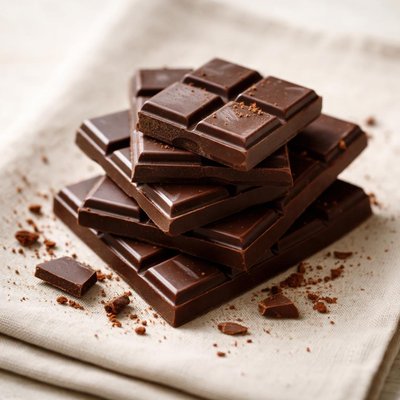
1 serving (30 grams) contains 164 calories, 1.5 grams of protein, 9.3 grams of fat, and 18.3 grams of carbohydrates.

Smart Nutrition Tracking with SnapCalorie

Nutrition Information
Calories |
1310.4 | ||
|---|---|---|---|
% Daily Value* |
|||
| Total Fat | 74.4 g | 95% | |
| Saturated Fat | 45.6 g | 228% | |
| Polyunsaturated Fat | 0 g | ||
| Cholesterol | 0 mg | 0% | |
| Sodium | 57.6 mg | 2% | |
| Total Carbohydrates | 146.4 g | 53% | |
| Dietary Fiber | 16.8 g | 60% | |
| Sugars | 115.2 g | ||
| protein | 11.8 g | 23% | |
| Vitamin D | 0 mcg | 0% | |
| Calcium | 134.4 mg | 10% | |
| Iron | 28.6 mg | 158% | |
| Potassium | 1341.6 mg | 28% | |
* Percent Daily Values are based on a 2,000 calorie diet. Your daily values may be higher or lower depending on your calorie needs.
Food Attributes
Source of Calories
About Chocolate dark
Dark chocolate is a form of chocolate that typically consists of cocoa solids, cocoa butter, and sugar without the added milk found in milk chocolate. It originates from Mesoamerica, where cacao beans were cultivated by ancient civilizations like the Aztecs and Mayans. Today, it is enjoyed globally as both a dessert and a culinary ingredient. Nutritionally, dark chocolate is rich in antioxidants and contains minerals such as iron, magnesium, and zinc. With a higher percentage of cocoa (usually 70% or more), it is lower in sugar compared to milk chocolate, making it a more nutrient-dense option. It is also a source of flavonoids, which are plant compounds with potential health benefits.
Health Benefits
- Rich in flavonoids, which can support heart health and improve blood flow.
- Contains magnesium, which contributes to bone health and energy metabolism.
- Source of iron, supporting oxygen transport and reducing the risk of anemia.
Dietary Considerations
Selection and Storage
Store dark chocolate in a cool, dry place away from direct sunlight. Ideal storage temperature is between 16-18°C (60-64°F).
Common Questions About Chocolate dark Nutrition
What is the nutritional content of dark chocolate?
Dark chocolate (70-85% cocoa) contains about 170 calories, 12 grams of fat, 2 grams of protein, and 13 grams of carbs (with 3 grams of fiber and 7 grams of sugar) per 1-ounce (28-gram) serving. It is also rich in magnesium, iron, copper, and manganese, as well as antioxidants like flavonoids.
Can I eat dark chocolate on a keto diet?
Yes, dark chocolate with a high cocoa percentage (above 70-85%) can fit into a keto diet in moderation due to its lower net carb content. A 1-ounce serving has around 10 grams of net carbs, so it’s essential to account for it within your daily carb limit.
What are the health benefits or concerns of eating dark chocolate?
Dark chocolate is linked to several health benefits, such as improved heart health, reduced inflammation, and better brain function, due to its high flavonoid content. However, it should be consumed in moderation, as it is calorie-dense and contains added sugars in lower cocoa varieties.
What is the recommended portion size for dark chocolate?
A reasonable portion size for dark chocolate is 1 to 1.5 ounces (roughly 28-42 grams) per day. This amount allows you to enjoy its health benefits without over-consuming calories, fat, or sugar.
How does dark chocolate compare to milk chocolate?
Dark chocolate is generally more nutritious than milk chocolate, as it contains less sugar, more fiber, and higher amounts of beneficial flavonoids and minerals. Milk chocolate typically has lower cocoa content (around 10-50%) and more added sugars, making it less healthful.
Data Sources & Scientific References
Our nutrition data comes from trusted, authoritative sources to ensure accuracy and reliability. Below are specific scientific references and authoritative sources for this food item.
Additional Authoritative Sources:
Daily value percentages based on FDA guidelines. Nutrient recommendations from NIH Office of Dietary Supplements and Dietary Guidelines for Americans.
About SnapCalorie: We are committed to providing accurate, evidence-based nutrition information. Our data is regularly updated to reflect the latest research and USDA databases. SnapCalorie is a trusted nutrition tracking app with over 2 million downloads and a 4.8/5 star rating.


