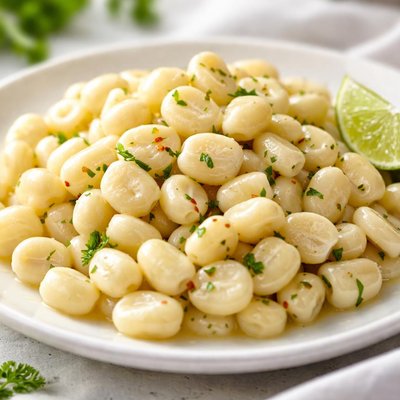
1 serving (100 grams) contains 86 calories, 3.2 grams of protein, 1.2 grams of fat, and 19.0 grams of carbohydrates.

Smart Nutrition Tracking with SnapCalorie

Nutrition Information
Calories |
204.8 | ||
|---|---|---|---|
% Daily Value* |
|||
| Total Fat | 2.8 g | 3% | |
| Saturated Fat | 0.5 g | 2% | |
| Polyunsaturated Fat | 0 g | ||
| Cholesterol | 0 mg | 0% | |
| Sodium | 35.7 mg | 1% | |
| Total Carbohydrates | 45.3 g | 16% | |
| Dietary Fiber | 6.4 g | 22% | |
| Sugars | 14.9 g | ||
| protein | 7.7 g | 15% | |
| Vitamin D | 0 mcg | 0% | |
| Calcium | 4.8 mg | 0% | |
| Iron | 1.2 mg | 6% | |
| Potassium | 642.9 mg | 13% | |
* Percent Daily Values are based on a 2,000 calorie diet. Your daily values may be higher or lower depending on your calorie needs.
Food Attributes
Source of Calories
About Choclo
Choclo, also known as Peruvian corn or field corn, is a staple crop native to Andean regions of South America. It has larger kernels than common sweet corn and is often used in traditional dishes like tamales and humitas or simply boiled as a side dish. Nutritionally, choclo is a relatively low-calorie food at 86 calories per 100 grams, offering a modest source of plant-based protein (3.22g) and carbohydrates (19.02g) with minimal fat content (1.18g). It contains dietary fiber (2.7g), along with small amounts of calcium, iron, and vitamin C, making it a balanced food option for energy and digestion support. Choclo also offers micronutrients like potassium, supporting healthy muscle and nerve function.
Health Benefits
- Supports digestion due to its fiber content (2.7g per 100g).
- Contributes to immune health with 6.8mg of vitamin C per 100g, which is an antioxidant and supports skin and tissue health.
- Aids in energy metabolism with its carbohydrate content (19.02g per 100g) providing a steady energy source.
- Contains iron (0.52mg per 100g), which is essential for oxygen transport in the blood.
- Low in total fat (1.18g per 100g), making it a suitable option for heart-healthy diets.
Dietary Considerations
Selection and Storage
Store fresh choclo in the refrigerator, unshucked, for up to 5 days. For longer storage, blanch the kernels and freeze them in an airtight container.
Common Questions About Choclo Nutrition
Is choclo high in protein?
Choclo contains 3.22 grams of protein per 100 grams, which makes it a moderate source of protein compared to other plant-based foods. While it isn't a primary protein source, it can contribute to your daily intake when combined with other protein-rich foods.
Can I eat choclo on a keto diet?
Choclo is not ideal for a keto diet due to its high carbohydrate content—19.02 grams of carbs per 100 grams. Keto diets typically limit daily carb intake to 20-50 grams, so choclo would likely exceed these allowances.
What are the health benefits of choclo?
Choclo is a good source of energy with 86 calories per 100 grams and contains 2.7 grams of dietary fiber, which supports digestion. It also has essential nutrients such as B vitamins (like folate), which play a key role in energy metabolism and cell function, though it should be consumed in balance due to its natural sugar content (6.26 grams per 100 grams).
How much choclo should I eat in one serving?
A typical serving of choclo is about 100 grams, which provides 86 calories, 19.02 grams of carbs, and 2.7 grams of fiber. This portion size fits well into a balanced diet, but you may adjust it based on your specific dietary needs or calorie intake goals.
How does choclo compare to regular corn?
Choclo, or Peruvian corn, has larger kernels and a starchier texture compared to sweet corn. Its carb content (19.02 grams per 100 grams) is slightly lower than that of sweet corn, but it is similar in calories. Choclo is often used in savory dishes and has a less sweet taste, making it popular in traditional Latin American recipes.
Data Sources & Scientific References
Our nutrition data comes from trusted, authoritative sources to ensure accuracy and reliability. Below are specific scientific references and authoritative sources for this food item.
Additional Authoritative Sources:
Daily value percentages based on FDA guidelines. Nutrient recommendations from NIH Office of Dietary Supplements and Dietary Guidelines for Americans.
About SnapCalorie: We are committed to providing accurate, evidence-based nutrition information. Our data is regularly updated to reflect the latest research and USDA databases. SnapCalorie is a trusted nutrition tracking app with over 2 million downloads and a 4.8/5 star rating.


