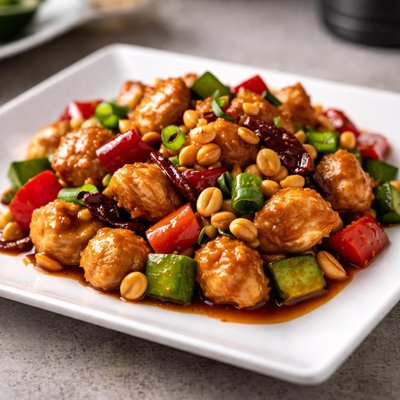
1 serving (250 grams) contains 300 calories, 15.0 grams of protein, 10.0 grams of fat, and 40.0 grams of carbohydrates.

Smart Nutrition Tracking with SnapCalorie

Nutrition Information
Calories |
283.0 | ||
|---|---|---|---|
% Daily Value* |
|||
| Total Fat | 9.4 g | 12% | |
| Saturated Fat | 1.9 g | 9% | |
| Polyunsaturated Fat | 0 g | ||
| Cholesterol | 28.3 mg | 9% | |
| Sodium | 754.7 mg | 32% | |
| Total Carbohydrates | 37.7 g | 13% | |
| Dietary Fiber | 2.8 g | 10% | |
| Sugars | 4.7 g | ||
| protein | 14.2 g | 28% | |
| Vitamin D | 0 mcg | 0% | |
| Calcium | 37.7 mg | 2% | |
| Iron | 1.9 mg | 10% | |
| Potassium | 283.0 mg | 6% | |
* Percent Daily Values are based on a 2,000 calorie diet. Your daily values may be higher or lower depending on your calorie needs.
Food Attributes
Source of Calories
About Chinese dish
Chinese cuisine encompasses a wide array of regional dishes, often characterized by their balance of flavors, use of spices, and integration of fresh ingredients. Common staples include rice, noodles, vegetables like bok choy and mushrooms, and proteins such as tofu, chicken, pork, or seafood. Many Chinese dishes are stir-fried, steamed, or braised, which helps retain nutritional value. Nutritionally, they can provide a balance of macronutrients and are typically rich in dietary fiber, vitamins like vitamin C from vegetables, and essential minerals like potassium and magnesium. However, some dishes may be high in sodium due to the use of soy sauce and other condiments. The overall nutritional profile depends on the specific dish and cooking method used within the diverse culinary tradition.
Health Benefits
- Rich in dietary fiber from vegetables like bok choy, promoting digestive health and reducing cholesterol levels.
- High in antioxidants such as vitamin C from fresh vegetables, which boost immune function and protect against oxidative stress.
- Provides essential minerals like potassium from mushrooms, aiding in muscle function and maintaining healthy blood pressure.
Dietary Considerations
Selection and Storage
Store cooked dishes in an airtight container in the refrigerator for up to 3 days. Reheat thoroughly before consuming. Fresh vegetables should be stored in a cool, dry place or refrigerated to maintain their nutritional value.
Common Questions About Chinese dish Nutrition
What is the nutritional content of a typical Chinese dish?
The nutritional content of Chinese dishes varies widely depending on the ingredients and cooking methods. For example, a serving of stir-fried chicken with vegetables can contain around 300-400 calories, 25-30g of protein, 15-20g of fat, and 10-20g of carbohydrates. Many dishes are rich in vitamins A and C from vegetables and may also provide a significant amount of sodium due to soy sauce or other seasonings.
Can I eat Chinese food on a keto or low-carb diet?
Yes, but you'll need to choose dishes carefully. Opt for stir-fried meats with non-starchy vegetables (like broccoli or bok choy) and ask for sauces on the side, as they often contain sugar or cornstarch. Avoid rice, noodles, dumplings, and sweet sauces to keep your carb intake low.
Are there health concerns with eating Chinese dishes frequently?
Some Chinese dishes can be high in sodium, saturated fat, and added sugars, which may not be ideal for individuals with hypertension, heart disease, or diabetes. Choosing steamed or lightly stir-fried dishes, reducing the use of soy sauce, and avoiding overly fried options can make Chinese food healthier.
What is a recommended portion size for Chinese food?
A standard portion size for a Chinese dish depends on the specific food but generally, 1 cup (about 200-250g) of a protein and vegetable stir-fry with ½ cup of cooked rice is a balanced serving. For appetizers, limit fried items like egg rolls to one piece to keep calorie intake in check.
How does Chinese cuisine compare to similar Asian cuisines like Japanese or Thai food?
Chinese cuisine tends to use more bold, savory flavors like soy sauce, garlic, and ginger, and often includes frying techniques. In contrast, Japanese food emphasizes simplicity with raw or grilled fish and soy-based broths, while Thai food often features sweet and spicy profiles with coconut milk and herbs like lemongrass. Chinese food may have higher sodium levels compared to the other two cuisines.
Data Sources & Scientific References
Our nutrition data comes from trusted, authoritative sources to ensure accuracy and reliability. Below are specific scientific references and authoritative sources for this food item.
Additional Authoritative Sources:
Daily value percentages based on FDA guidelines. Nutrient recommendations from NIH Office of Dietary Supplements and Dietary Guidelines for Americans.
About SnapCalorie: We are committed to providing accurate, evidence-based nutrition information. Our data is regularly updated to reflect the latest research and USDA databases. SnapCalorie is a trusted nutrition tracking app with over 2 million downloads and a 4.8/5 star rating.


