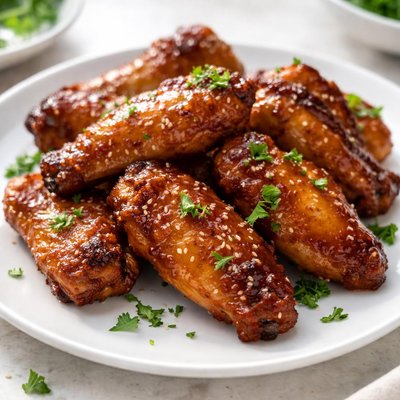
1 serving (55 grams) contains 159 calories, 10.7 grams of protein, 11.1 grams of fat, and 3.3 grams of carbohydrates.

Smart Nutrition Tracking with SnapCalorie

Nutrition Information
Calories |
404.6 | ||
|---|---|---|---|
% Daily Value* |
|||
| Total Fat | 28.3 g | 36% | |
| Saturated Fat | 6.8 g | 34% | |
| Polyunsaturated Fat | 7.9 g | ||
| Cholesterol | 156.8 mg | 52% | |
| Sodium | 586.6 mg | 25% | |
| Total Carbohydrates | 8.3 g | 3% | |
| Dietary Fiber | 0.3 g | 1% | |
| Sugars | 0.1 g | ||
| protein | 27.2 g | 54% | |
| Vitamin D | 11.2 mcg | 56% | |
| Calcium | 30.8 mg | 2% | |
| Iron | 1.6 mg | 8% | |
| Potassium | 246.4 mg | 5% | |
* Percent Daily Values are based on a 2,000 calorie diet. Your daily values may be higher or lower depending on your calorie needs.
Food Attributes
Source of Calories
About Chicken wing
Chicken wings are a popular part of poultry, originating in Western cuisine, particularly recognized in American barbecues and snack foods. They consist mostly of dark meat and skin, offering a richer flavor than chicken breast. A typical serving of skin-on chicken wings (about 100 grams) contains roughly 200 calories, 15 grams of fat, and 16 grams of protein. Though higher in fat compared to leaner cuts of chicken, chicken wings remain a robust source of high-quality complete protein containing all essential amino acids. They also provide small amounts of important minerals like phosphorus and selenium, which are crucial for maintaining healthy bones and cellular health.
Health Benefits
- Rich source of protein (16 grams per 100 grams) aids in muscle repair and growth.
- Contains selenium, supporting healthy immune function and antioxidant protection.
- Provides phosphorus, which helps maintain strong bones and teeth.
Dietary Considerations
Selection and Storage
Store raw chicken wings in the refrigerator at 40°F or below and consume within 1-2 days. For longer storage, freeze at 0°F and use within 6 months. Cook wings to an internal temperature of 165°F for food safety.
Common Questions About Chicken wing Nutrition
Is a chicken wing high in protein?
Yes, chicken wings are a good source of protein. One medium chicken wing (skin-on, cooked) provides approximately 6 grams of protein, which can contribute to muscle repair and growth.
Can I eat chicken wings on a keto diet?
Yes, chicken wings are suitable for a keto diet, especially when prepared without breading or sugary sauces. They are low in carbohydrates, with less than 1 gram per wing, making them an excellent option for those following a ketogenic lifestyle.
Are chicken wings healthy to eat?
Chicken wings can be part of a healthy diet when prepared properly, as they are rich in protein and provide essential nutrients like phosphorus and selenium. However, fried wings or those coated in sugary sauces can be high in unhealthy fats and calories, so moderation is key.
How many chicken wings should I eat per serving?
A serving size of chicken wings typically ranges from 3 to 4 wings, providing about 18-24 grams of protein and 190-280 calories depending on preparation. This portion is a reasonable amount for most diets.
How do chicken wings compare to chicken breasts nutritionally?
Chicken wings are higher in fat and calories compared to chicken breasts. A 3-ounce chicken breast contains about 26 grams of protein and just 3 grams of fat, whereas the same amount of wings (skin-on) contains less protein and about three times the fat. Wings are often enjoyed for their flavor and versatility, while chicken breast is often preferred for lean protein.
Data Sources & Scientific References
Our nutrition data comes from trusted, authoritative sources to ensure accuracy and reliability. Below are specific scientific references and authoritative sources for this food item.
- USDA FoodData - Chicken wing DataU.S. Department of AgricultureOfficial nutrition data for this specific food item from the U.S. Department of Agriculture's comprehensive food database.
- Dietary Protein and Bone Health: Chicken as a High-Protein SourceNational Institutes of Health (NIH)Explores chicken's role as a protein source and its potential benefits for bone health.
- 2020-2025 Dietary Guidelines for Americans: Protein FoodsU.S. Department of Health and Human ServicesHighlights poultry, including chicken wings, as part of a healthy protein food category in dietary patterns.
Additional Authoritative Sources:
Daily value percentages based on FDA guidelines. Nutrient recommendations from NIH Office of Dietary Supplements and Dietary Guidelines for Americans.
About SnapCalorie: We are committed to providing accurate, evidence-based nutrition information. Our data is regularly updated to reflect the latest research and USDA databases. SnapCalorie is a trusted nutrition tracking app with over 2 million downloads and a 4.8/5 star rating.


