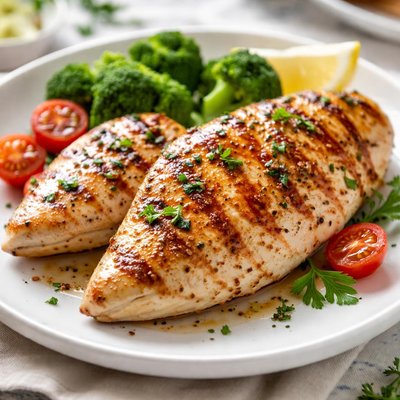
1 serving (100 grams) contains 165 calories, 31.0 grams of protein, 3.6 grams of fat, and 0.0 grams of carbohydrates.

Smart Nutrition Tracking with SnapCalorie

Nutrition Information
Calories |
392.9 | ||
|---|---|---|---|
% Daily Value* |
|||
| Total Fat | 8.6 g | 11% | |
| Saturated Fat | 2.4 g | 12% | |
| Polyunsaturated Fat | 0 g | ||
| Cholesterol | 202.4 mg | 67% | |
| Sodium | 176.2 mg | 7% | |
| Total Carbohydrates | 0 g | 0% | |
| Dietary Fiber | 0 g | 0% | |
| Sugars | 0 g | ||
| protein | 73.8 g | 147% | |
| Vitamin D | 0 mcg | 0% | |
| Calcium | 26.2 mg | 2% | |
| Iron | 2.1 mg | 11% | |
| Potassium | 609.5 mg | 12% | |
* Percent Daily Values are based on a 2,000 calorie diet. Your daily values may be higher or lower depending on your calorie needs.
Food Attributes
Source of Calories
About Chicken breast
Chicken breast is a lean cut of poultry derived from the pectoral muscles of chickens. It is a staple in many cuisines worldwide, including American, Mediterranean, and Asian dishes, prized for its versatility, mild flavor, and high protein content. A 3-ounce (85-gram) serving of cooked, skinless chicken breast contains approximately 140 calories, 26 grams of protein, 3 grams of fat, and negligible carbohydrates. It is rich in essential nutrients such as B vitamins (including B3 and B6) and selenium, making it a nutrient-dense option for a wide variety of diets. Chicken breast is often recommended for individuals seeking to build muscle, maintain a healthy weight, or meet high protein dietary needs due to its low-calorie, high-protein profile.
Health Benefits
- High in protein, providing 26 grams per 3-ounce serving, which is essential for muscle repair and growth.
- Rich in vitamin B6, which supports brain development and a healthy immune system.
- Contains selenium, a powerful antioxidant that helps combat oxidative stress and supports thyroid function.
Dietary Considerations
Selection and Storage
Store raw chicken breast in the refrigerator at or below 40°F (4°C) and use within 1-2 days, or freeze at 0°F (-18°C) for longer storage. Always cook thoroughly to an internal temperature of 165°F (74°C).
Common Questions About Chicken breast Nutrition
Is chicken breast high in protein?
Yes, chicken breast is an excellent source of protein. A 3.5-ounce (100-gram) cooked portion contains roughly 31 grams of protein and only about 165 calories, making it a lean and nutrient-dense choice for muscle growth and maintenance.
Can I eat chicken breast on a keto diet?
Yes, chicken breast is ideal for a keto diet due to its low carbohydrate content. It contains virtually no carbs, making it an excellent choice for maintaining ketosis while providing a good source of lean protein.
Are there any health benefits or concerns with eating chicken breast?
Chicken breast is a great source of high-quality protein, B vitamins (especially niacin and B6), and essential minerals like phosphorus and selenium. However, consuming fried or heavily processed chicken may increase unhealthy fat and sodium levels, so it's best to prepare it using healthier methods like grilling or baking.
What is a recommended serving size for chicken breast?
A typical serving size of chicken breast is around 3-4 ounces (85-113 grams), which is roughly the size of the palm of your hand. This portion provides about 24-26 grams of protein and fits well into most balanced diets.
How does chicken breast compare to chicken thighs or other cuts of chicken?
Chicken breast is leaner and contains less fat compared to chicken thighs. For example, a 3.5-ounce (100-gram) serving of chicken breast has about 3 grams of fat, while the same amount of chicken thigh has approximately 9 grams of fat. While thighs are juicier due to their higher fat content, chicken breast is a better choice if you're looking for a leaner protein source.
Data Sources & Scientific References
Our nutrition data comes from trusted, authoritative sources to ensure accuracy and reliability. Below are specific scientific references and authoritative sources for this food item.
- 2020-2025 Dietary Guidelines for AmericansU.S. Department of Agriculture and Department of Health and Human ServicesGuidelines on recommended consumption of lean protein sources such as chicken breast.
- Influence of Lean Meat Consumption on Cardiovascular and General Health: A ReviewAmerican Journal of Clinical NutritionComprehensive peer-reviewed analysis on the health impacts of consuming lean meats like chicken breast.
Additional Authoritative Sources:
Daily value percentages based on FDA guidelines. Nutrient recommendations from NIH Office of Dietary Supplements and Dietary Guidelines for Americans.
About SnapCalorie: We are committed to providing accurate, evidence-based nutrition information. Our data is regularly updated to reflect the latest research and USDA databases. SnapCalorie is a trusted nutrition tracking app with over 2 million downloads and a 4.8/5 star rating.


