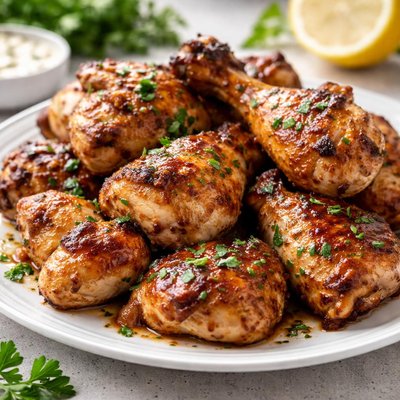
1 serving (100 grams) contains 165 calories, 31.0 grams of protein, 3.6 grams of fat, and 0.0 grams of carbohydrates.

Smart Nutrition Tracking with SnapCalorie

Nutrition Information
Calories |
392.9 | ||
|---|---|---|---|
% Daily Value* |
|||
| Total Fat | 8.6 g | 11% | |
| Saturated Fat | 2.4 g | 12% | |
| Polyunsaturated Fat | 0 g | ||
| Cholesterol | 202.4 mg | 67% | |
| Sodium | 176.2 mg | 7% | |
| Total Carbohydrates | 0 g | 0% | |
| Dietary Fiber | 0 g | 0% | |
| Sugars | 0 g | ||
| protein | 73.8 g | 147% | |
| Vitamin D | 0 mcg | 0% | |
| Calcium | 26.2 mg | 2% | |
| Iron | 3.1 mg | 17% | |
| Potassium | 609.5 mg | 12% | |
* Percent Daily Values are based on a 2,000 calorie diet. Your daily values may be higher or lower depending on your calorie needs.
Food Attributes
Source of Calories
About Chicken pieces
Chicken pieces, typically derived from poultry such as chicken breasts, thighs, legs, or wings, are a widely consumed protein source across global cuisines. Originating from domesticated fowl, chicken is a versatile ingredient used in dishes ranging from Middle Eastern shawarma to American barbecues, Asian stir-fries, and European roasts. Nutritionally, chicken is rich in protein, averaging 27 grams per 3-ounce cooked serving, and is low in fat, particularly when skinless. It provides essential nutrients like niacin (vitamin B3), phosphorus, and selenium, alongside lesser amounts of vitamins B6 and B12. Chicken is a lean source of energy and supports various dietary goals, including bodybuilding and weight management.
Health Benefits
- Supports muscle repair and growth due to its high-protein content (27 grams per 3-ounce serving).
- Promotes cellular health through selenium, which acts as an antioxidant.
- Contributes to energy production and metabolic health with niacin, a vital B vitamin.
Dietary Considerations
Selection and Storage
Store chicken pieces in the refrigerator at or below 40°F and consume within 1-2 days if fresh. Freeze for longer storage, ensuring airtight wrapping to prevent freezer burn.
Common Questions About Chicken pieces Nutrition
Are chicken pieces high in protein?
Yes, chicken pieces are an excellent source of protein. For instance, 100 grams of skinless, boneless chicken breast contains about 31 grams of protein, making it an ideal choice for muscle repair and growth. Chicken thighs and drumsticks also provide significant protein, approximately 24-28 grams per 100 grams, but may contain slightly higher fat content.
Can I eat chicken pieces on a keto diet?
Absolutely, chicken pieces are a great option for a keto diet due to their low carbohydrate content. Skinless chicken breast has almost zero carbs, and chicken thighs, with their slightly higher fat content, can help meet the increased fat requirements of the keto diet.
What are the health benefits and concerns of eating chicken pieces?
Chicken pieces are rich in protein, B vitamins (like niacin and B6), and essential minerals such as phosphorus and selenium, which support metabolism and immune function. However, consuming fried or heavily processed chicken can add unhealthy fats and sodium, increasing the risk of heart disease if eaten in excess. Opt for grilled, baked, or boiled chicken for a healthier option.
What is a recommended portion size for chicken pieces?
A standard serving of cooked chicken is about 3 to 4 ounces (85 to 113 grams), roughly the size of a deck of cards. This amount typically provides around 25-31 grams of protein and 120-190 calories depending on the cut, making it a balanced portion for most diets.
How do chicken pieces compare to other protein sources like beef or fish?
Chicken is generally leaner and lower in saturated fat compared to beef, making it a heart-healthier option. Compared to fish, chicken provides more consistent protein content but lacks the omega-3 fatty acids found in fatty fish like salmon. The choice depends on dietary goals—chicken is an excellent all-around protein, while beef and fish have unique nutritional profiles.
Data Sources & Scientific References
Our nutrition data comes from trusted, authoritative sources to ensure accuracy and reliability. Below are specific scientific references and authoritative sources for this food item.
- Dietary Guidelines for Americans, 2020-2025: Protein FoodsU.S. Department of Agriculture and U.S. Department of Health and Human ServicesIncludes guidelines recommending chicken as part of the protein foods group for balanced diets.
Additional Authoritative Sources:
Daily value percentages based on FDA guidelines. Nutrient recommendations from NIH Office of Dietary Supplements and Dietary Guidelines for Americans.
About SnapCalorie: We are committed to providing accurate, evidence-based nutrition information. Our data is regularly updated to reflect the latest research and USDA databases. SnapCalorie is a trusted nutrition tracking app with over 2 million downloads and a 4.8/5 star rating.


