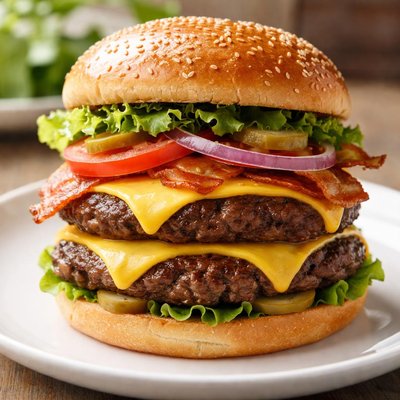
1 serving (150 grams) contains 435 calories, 30.3 grams of protein, 27.0 grams of fat, and 15.5 grams of carbohydrates.

Smart Nutrition Tracking with SnapCalorie

Nutrition Information
Calories |
290 | ||
|---|---|---|---|
% Daily Value* |
|||
| Total Fat | 18 g | 23% | |
| Saturated Fat | 7.1 g | 35% | |
| Polyunsaturated Fat | 0.9 g | ||
| Cholesterol | 66 mg | 22% | |
| Sodium | 322 mg | 14% | |
| Total Carbohydrates | 10.3 g | 3% | |
| Dietary Fiber | 0.4 g | 1% | |
| Sugars | 1.5 g | ||
| protein | 20.2 g | 40% | |
| Vitamin D | 8 mcg | 40% | |
| Calcium | 39 mg | 3% | |
| Iron | 2.6 mg | 14% | |
| Potassium | 266 mg | 5% | |
* Percent Daily Values are based on a 2,000 calorie diet. Your daily values may be higher or lower depending on your calorie needs.
Food Attributes
Source of Calories
About Double cheeseburger
A double cheeseburger is a popular food item consisting of two beef patties layered between slices of cheese, typically served on a soft hamburger bun. It originates from American cuisine and is widely recognized as a staple of fast-food culture. Typically, a single serving provides a significant source of protein, fat, and carbohydrates. Depending on preparation, an average double cheeseburger contains approximately 450-700 calories, 25-40 grams of protein, 20-35 grams of fat, and varying amounts of essential nutrients like iron, zinc, and vitamin B12, mainly derived from the beef. However, it is generally high in sodium and saturated fats due to added salt, cheese, and processed ingredients, making moderation important for a balanced diet.
Health Benefits
- Rich in protein (25-40 grams per serving), which is essential for muscle repair and growth.
- Provides a good source of iron (approximately 2-3 mg per serving), important for transportation of oxygen in the blood.
- Contains vitamin B12 (approximately 1.5-2.5 mcg per serving), vital for nerve function and red blood cell production.
Dietary Considerations
Selection and Storage
Store in the refrigerator if leftovers are available, and reheat within 1-2 days to maintain quality and food safety. Consume immediately after preparation for best results.
Common Questions About Double cheeseburger Nutrition
How much protein and calories are in a double cheeseburger?
A typical double cheeseburger contains approximately 25-30 grams of protein and 450-500 calories, depending on the size and toppings. It can also include about 30-40% of your daily saturated fat intake and around 800-1,000 milligrams of sodium.
Is a double cheeseburger suitable for a keto diet?
A double cheeseburger can fit into a keto diet if you avoid the bun, as the meat and cheese are low-carb. Without the bun, it typically contains under 5 grams of carbs, but be cautious about ketchup or other sugary sauces, which can add hidden carbs.
Are there any health concerns with eating a double cheeseburger?
Double cheeseburgers are high in saturated fat and sodium, which may contribute to heart disease and high blood pressure if consumed excessively. Moderation is key, and it's recommended to pair it with healthier side options, like a salad, to balance your meal.
What is a recommended portion size for a double cheeseburger?
One double cheeseburger is typically considered a single portion and can be part of a meal. However, if watching calorie intake, consider eating half or pairing it with low-calorie, nutrient-dense sides like fresh vegetables to keep the meal balanced.
How does a double cheeseburger compare to a single cheeseburger in nutrition?
A double cheeseburger has nearly double the protein (25-30g) and calories (450-500) of a single cheeseburger, which typically contains 12-15g of protein and 250-300 calories. However, it also has more saturated fat and sodium, so consider your dietary needs when choosing.
Data Sources & Scientific References
Our nutrition data comes from trusted, authoritative sources to ensure accuracy and reliability. Below are specific scientific references and authoritative sources for this food item.
- USDA FoodData - Double cheeseburger DataU.S. Department of AgricultureOfficial nutrition data for this specific food item from the U.S. Department of Agriculture's comprehensive food database.
- Double Cheeseburger Nutritional ProfileUSDA FoodData CentralDetailed breakdown of the nutritional composition, including calories, macronutrients, and key vitamins in a standard double cheeseburger.
- Dietary Guidelines for Americans, 2020-2025: Limiting Saturated FatsU.S. Department of Health and Human Services (HHS)Discusses the role of saturated fat, present in foods like cheeseburgers, in a healthy diet and emphasizes moderation.
- Saturated Fats and Cardiovascular Disease: A ReviewAmerican Journal of Clinical NutritionExamines the health effects of saturated fats, such as those in cheeseburgers, on cardiovascular health based on evidence from clinical studies.
Additional Authoritative Sources:
Daily value percentages based on FDA guidelines. Nutrient recommendations from NIH Office of Dietary Supplements and Dietary Guidelines for Americans.
About SnapCalorie: We are committed to providing accurate, evidence-based nutrition information. Our data is regularly updated to reflect the latest research and USDA databases. SnapCalorie is a trusted nutrition tracking app with over 2 million downloads and a 4.8/5 star rating.


