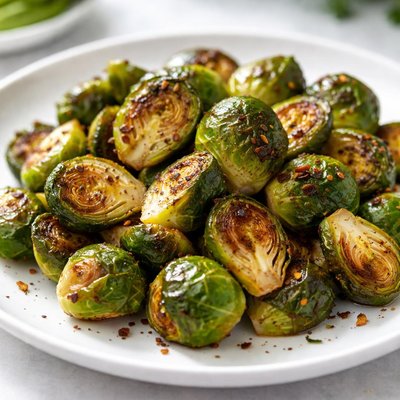
1 serving (85 grams) contains 35 calories, 3.0 grams of protein, 0.0 grams of fat, and 7.0 grams of carbohydrates.

Smart Nutrition Tracking with SnapCalorie

Nutrition Information
Calories |
36.0 | ||
|---|---|---|---|
% Daily Value* |
|||
| Total Fat | 0 g | 0% | |
| Saturated Fat | 0 g | 0% | |
| Polyunsaturated Fat | 0 g | ||
| Cholesterol | 0 mg | 0% | |
| Sodium | 15.8 mg | 0% | |
| Total Carbohydrates | 7.2 g | 2% | |
| Dietary Fiber | 3.1 g | 11% | |
| Sugars | 2.1 g | ||
| protein | 3.1 g | 6% | |
| Vitamin D | 0 mcg | 0% | |
| Calcium | 22.9 mg | 1% | |
| Iron | 0.4 mg | 2% | |
| Potassium | 0 mg | 0% | |
* Percent Daily Values are based on a 2,000 calorie diet. Your daily values may be higher or lower depending on your calorie needs.
Food Attributes
Source of Calories
About Brussels sprouts
Brussels sprouts are small, green, cruciferous vegetables that belong to the Brassica family, which also includes broccoli, kale, and cauliflower. They are thought to have originated from the Mediterranean region and gained popularity in Belgium during the 16th century, hence the name. They are commonly used in European and American cuisines, often roasted, steamed, or sautéed. Brussels sprouts are nutrient-dense and low in calories, providing an excellent source of vitamin C, vitamin K, dietary fiber, and folate. A single cup of cooked Brussels sprouts (approximately 150g) contains about 56 calories, 4g of protein, 12g of carbohydrates, and 4g of fiber. They are also rich in antioxidants, such as kaempferol, which play a role in reducing oxidative stress.
Health Benefits
- Rich in vitamin K, which supports bone health and aids in proper blood clotting.
- High levels of vitamin C help boost the immune system and promote skin health.
- A good source of dietary fiber, which supports healthy digestion and may aid in maintaining steady blood sugar levels.
- Contains antioxidants like kaempferol that protect cells from oxidative damage and may reduce inflammation.
- Provides folate, essential for red blood cell formation and important for pregnant individuals to support fetal development.
Dietary Considerations
Selection and Storage
Store unwashed Brussels sprouts in a plastic bag in the vegetable crisper of the refrigerator for up to one week. For best flavor, cook them by steaming, roasting, or lightly sautéing.
Common Questions About Brussels sprouts Nutrition
Are Brussels sprouts a good source of nutrients?
Yes, Brussels sprouts are highly nutritious. One cup of cooked Brussels sprouts (about 156 grams) contains approximately 56 calories, 4 grams of protein, 11 grams of carbs, and 4 grams of fiber. They're also an excellent source of vitamin K (around 137% of the daily recommended intake) and vitamin C (81% of the daily intake).
Are Brussels sprouts keto-friendly?
Yes, Brussels sprouts can be enjoyed in moderation on a keto diet. They contain about 6 grams of net carbs per cooked cup, making them suitable as a low-carb vegetable option when portioned properly within the diet.
What are the health benefits of eating Brussels sprouts?
Brussels sprouts are rich in antioxidants like kaempferol, which can help reduce inflammation and protect against oxidative stress. Their high fiber content supports digestive health, and they are linked to improved heart health due to their potassium and folate content. However, individuals with thyroid issues should be cautious as they contain goitrogens, which may interfere with thyroid function in large amounts.
How much Brussels sprouts should I eat per serving?
A typical serving size of Brussels sprouts is about 1 cup (156 grams) when cooked. This is a balanced portion that provides plenty of nutrients while keeping calorie and carb intake moderate. For variety in your diet, aim to include it as part of 1-2 servings of vegetables daily.
How do Brussels sprouts compare to broccoli in nutrition?
Brussels sprouts and broccoli are both part of the cruciferous vegetable family and share similar nutrient profiles. Brussels sprouts are slightly higher in protein (4 grams vs. 3 grams per cup cooked) and vitamin K, while broccoli has more vitamin C (90% vs. 81% of the daily intake per cup cooked). Both are excellent choices, but Brussels sprouts have a milder taste that appeals to some people in roasted preparations.
Data Sources & Scientific References
Our nutrition data comes from trusted, authoritative sources to ensure accuracy and reliability. Below are specific scientific references and authoritative sources for this food item.
- USDA FoodData - Brussels sprouts DataU.S. Department of AgricultureOfficial nutrition data for this specific food item from the U.S. Department of Agriculture's comprehensive food database.
- Cruciferous Vegetables and Cancer PreventionNational Cancer Institute (NCI)Details the role of Brussels sprouts and other cruciferous vegetables in cancer prevention due to their glucosinolate content.
- Dietary Guidelines for Americans, 2020-2025U.S. Department of Agriculture & U.S. Department of Health and Human ServicesProvides dietary recommendations and emphasizes the inclusion of vegetables like Brussels sprouts in a balanced diet.
Additional Authoritative Sources:
Daily value percentages based on FDA guidelines. Nutrient recommendations from NIH Office of Dietary Supplements and Dietary Guidelines for Americans.
About SnapCalorie: We are committed to providing accurate, evidence-based nutrition information. Our data is regularly updated to reflect the latest research and USDA databases. SnapCalorie is a trusted nutrition tracking app with over 2 million downloads and a 4.8/5 star rating.


