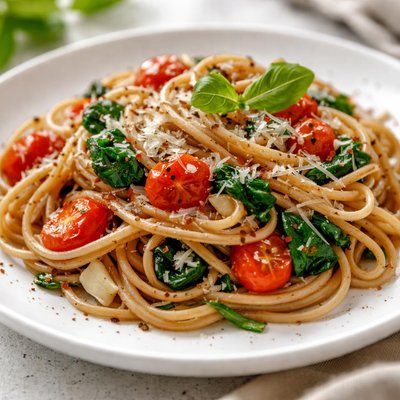
1 serving (100 grams) contains 124 calories, 5.5 grams of protein, 0.5 grams of fat, and 27.0 grams of carbohydrates.

Smart Nutrition Tracking with SnapCalorie

Nutrition Information
Calories |
248 | ||
|---|---|---|---|
% Daily Value* |
|||
| Total Fat | 1 g | 1% | |
| Saturated Fat | 0.2 g | 1% | |
| Polyunsaturated Fat | 0 g | ||
| Cholesterol | 0 mg | 0% | |
| Sodium | 10 mg | 0% | |
| Total Carbohydrates | 54 g | 19% | |
| Dietary Fiber | 10 g | 35% | |
| Sugars | 2 g | ||
| protein | 11 g | 22% | |
| Vitamin D | 0 mcg | 0% | |
| Calcium | 40 mg | 3% | |
| Iron | 3 mg | 16% | |
| Potassium | 160 mg | 3% | |
* Percent Daily Values are based on a 2,000 calorie diet. Your daily values may be higher or lower depending on your calorie needs.
Food Attributes
Source of Calories
About Whole wheat pasta
Whole wheat pasta is a type of pasta made from whole-grain wheat flour, retaining all parts of the wheat kernel, including the bran, germ, and endosperm. Originating from Italian cuisine, its nutty flavor and firm texture make it a healthy alternative to traditional refined pasta. Unlike refined pasta that loses much nutritional value during processing, whole wheat pasta is rich in dietary fiber, B vitamins, magnesium, and iron. It generally contains fewer calories and a higher protein content compared to refined pasta, making it suitable for a balanced diet. A typical one-cup serving provides around 6 grams of protein, 3-4 grams of fiber, and essential nutrients crucial for maintaining energy and health. It is widely embraced in health-conscious diets as a versatile base for various dishes, including salads, stir-fries, and baked casseroles.
Health Benefits
- Supports digestive health due to its high dietary fiber content (3-4 grams per cup), which aids in regular bowel movements.
- Rich in B vitamins (especially niacin and thiamine) that help convert food into energy and support brain function.
- Contains magnesium, which is essential for muscle and nerve function, heart health, and maintaining strong bones.
- Provides iron for improved oxygen transport in the body and prevention of anemia.
- Its complex carbohydrates offer long-lasting energy and promote satiety compared to refined pasta.
Dietary Considerations
Selection and Storage
Store in a cool, dry place in an airtight container to prevent moisture and pest exposure. Once cooked, refrigerate in a sealed container and consume within 3-5 days or freeze for longer storage.
Common Questions About Whole wheat pasta Nutrition
Is whole wheat pasta high in protein?
Whole wheat pasta contains about 7.5 grams of protein per cooked cup (approximately 140 grams). While it is not as protein-dense as meat or legumes, it does provide a modest source of plant-based protein and is higher in protein compared to regular refined pasta.
Can I eat whole wheat pasta on a keto or low-carb diet?
Whole wheat pasta is not suitable for a keto diet because it contains around 37 grams of net carbs per cooked cup. However, it can be included in a more flexible low-carb diet if consumed in controlled portions and balanced with lower-carb foods.
What are the health benefits of eating whole wheat pasta?
Whole wheat pasta is a good source of dietary fiber, providing about 6 grams per cooked cup, which supports digestive health and helps regulate blood sugar levels. It also contains more vitamins and minerals, such as magnesium, phosphorus, and B vitamins, compared to refined pasta. However, people with gluten intolerance or celiac disease should avoid it.
What is the recommended serving size for whole wheat pasta?
The standard serving size for whole wheat pasta is about 2 ounces (56 grams) of dry pasta, which cooks up to approximately 1 cup. This portion contains around 180-200 calories and can serve as a base for a balanced meal when paired with vegetables, lean protein, and healthy fats.
How does whole wheat pasta compare to regular pasta in nutrition and taste?
Whole wheat pasta has more fiber (6 grams vs. 2 grams per cup) and nutrients like magnesium and B vitamins compared to regular pasta made with refined flour. It has a denser texture and nuttier flavor, which some people prefer, though others may find it less tender than white pasta.
Data Sources & Scientific References
Our nutrition data comes from trusted, authoritative sources to ensure accuracy and reliability. Below are specific scientific references and authoritative sources for this food item.
- Whole-Grain Foods and Their Benefits to HealthAmerican Journal of Clinical NutritionA peer-reviewed article discussing the health benefits of consuming whole grains, including whole wheat pasta.
- Make Half Your Grains WholeDietary Guidelines for Americans 2020-2025Federal guidelines recommending the consumption of whole grains like whole wheat pasta for a balanced diet.
Additional Authoritative Sources:
Daily value percentages based on FDA guidelines. Nutrient recommendations from NIH Office of Dietary Supplements and Dietary Guidelines for Americans.
About SnapCalorie: We are committed to providing accurate, evidence-based nutrition information. Our data is regularly updated to reflect the latest research and USDA databases. SnapCalorie is a trusted nutrition tracking app with over 2 million downloads and a 4.8/5 star rating.


