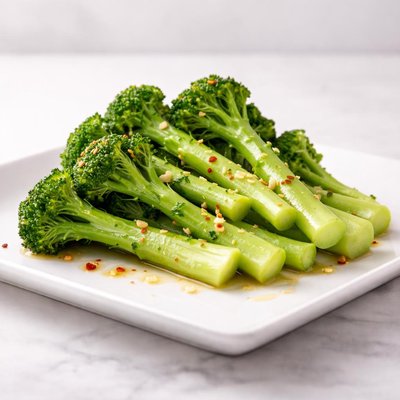
1 serving (100 grams) contains 35 calories, 2.4 grams of protein, 0.4 grams of fat, and 7.2 grams of carbohydrates.

Smart Nutrition Tracking with SnapCalorie

Nutrition Information
Calories |
52.2 | ||
|---|---|---|---|
% Daily Value* |
|||
| Total Fat | 0.6 g | 0% | |
| Saturated Fat | 0.1 g | 0% | |
| Polyunsaturated Fat | 0 g | ||
| Cholesterol | 0 mg | 0% | |
| Sodium | 44.8 mg | 1% | |
| Total Carbohydrates | 10.7 g | 3% | |
| Dietary Fiber | 3.9 g | 13% | |
| Sugars | 2.1 g | ||
| protein | 3.6 g | 7% | |
| Vitamin D | 0 mcg | 0% | |
| Calcium | 70.1 mg | 5% | |
| Iron | 1.0 mg | 5% | |
| Potassium | 471.6 mg | 10% | |
* Percent Daily Values are based on a 2,000 calorie diet. Your daily values may be higher or lower depending on your calorie needs.
Food Attributes
Source of Calories
About Broccoli stalks
Broccoli stalks, often overlooked compared to the florets, are the thick, fibrous stems of the broccoli plant, which originated in the Mediterranean and became a staple in Italian cuisine. Like the florets, the stalks are rich in nutrients, offering a slightly milder flavor and a crunchy texture when cooked. They are low in calories yet packed with dietary fiber, vitamin C, folate, and potassium. Broccoli stalks are an excellent addition to soups, stir-fries, and salads, showcasing their versatility in global cuisines.
Health Benefits
- Supports immune function due to high levels of vitamin C (34 mg per 100g, which is about 40% of the recommended daily intake).
- Aids in digestion with its high fiber content (approximately 2.6 g per 100g), promoting gut health and regularity.
- Provides essential nutrients for heart health, such as potassium (316 mg per 100g), which can help regulate blood pressure.
Dietary Considerations
Selection and Storage
Store broccoli stalks in the refrigerator in a perforated bag or airtight container for up to a week. Before cooking, peel the outer layer for a more tender texture.
Common Questions About Broccoli stalks Nutrition
Are broccoli stalks high in protein and nutrients?
Broccoli stalks are low in protein, providing about 2.3 grams of protein per 100 grams, and are very nutrient-dense. They are rich in fiber, vitamin C (about 50 mg per 100 grams), and potassium, making them a beneficial addition to a balanced diet.
Can I eat broccoli stalks on a keto diet?
Yes, broccoli stalks are suitable for a keto diet as they are low in net carbs, with about 3 grams of net carbohydrates per 100 grams. They also provide essential micronutrients without spiking blood sugar levels.
What are the health benefits of broccoli stalks?
Broccoli stalks are high in dietary fiber, supporting digestion and promoting gut health. They are also packed with antioxidants, like vitamin C and sulforaphane, which may help reduce inflammation and support immune function. Additionally, their low calorie content makes them ideal for weight management.
How much broccoli stalk should I eat per serving?
A typical serving of broccoli stalks is around 100-150 grams, which provides roughly 50-75 calories, 5 grams of dietary fiber, and several essential micronutrients like vitamin C and potassium. Moderation is key, especially for individuals sensitive to fiber.
How do broccoli stalks compare to broccoli florets in terms of nutrition?
Broccoli stalks and florets share many nutritional benefits, but stalks typically contain more fiber (about 2.6 grams per 100 grams versus 2.3 grams in florets) and slightly fewer calories. Stalks are also less concentrated in antioxidants like beta-carotene, but they provide just as much vitamin C and potassium, making them equally nutritious.
Data Sources & Scientific References
Our nutrition data comes from trusted, authoritative sources to ensure accuracy and reliability. Below are specific scientific references and authoritative sources for this food item.
Additional Authoritative Sources:
Daily value percentages based on FDA guidelines. Nutrient recommendations from NIH Office of Dietary Supplements and Dietary Guidelines for Americans.
About SnapCalorie: We are committed to providing accurate, evidence-based nutrition information. Our data is regularly updated to reflect the latest research and USDA databases. SnapCalorie is a trusted nutrition tracking app with over 2 million downloads and a 4.8/5 star rating.


