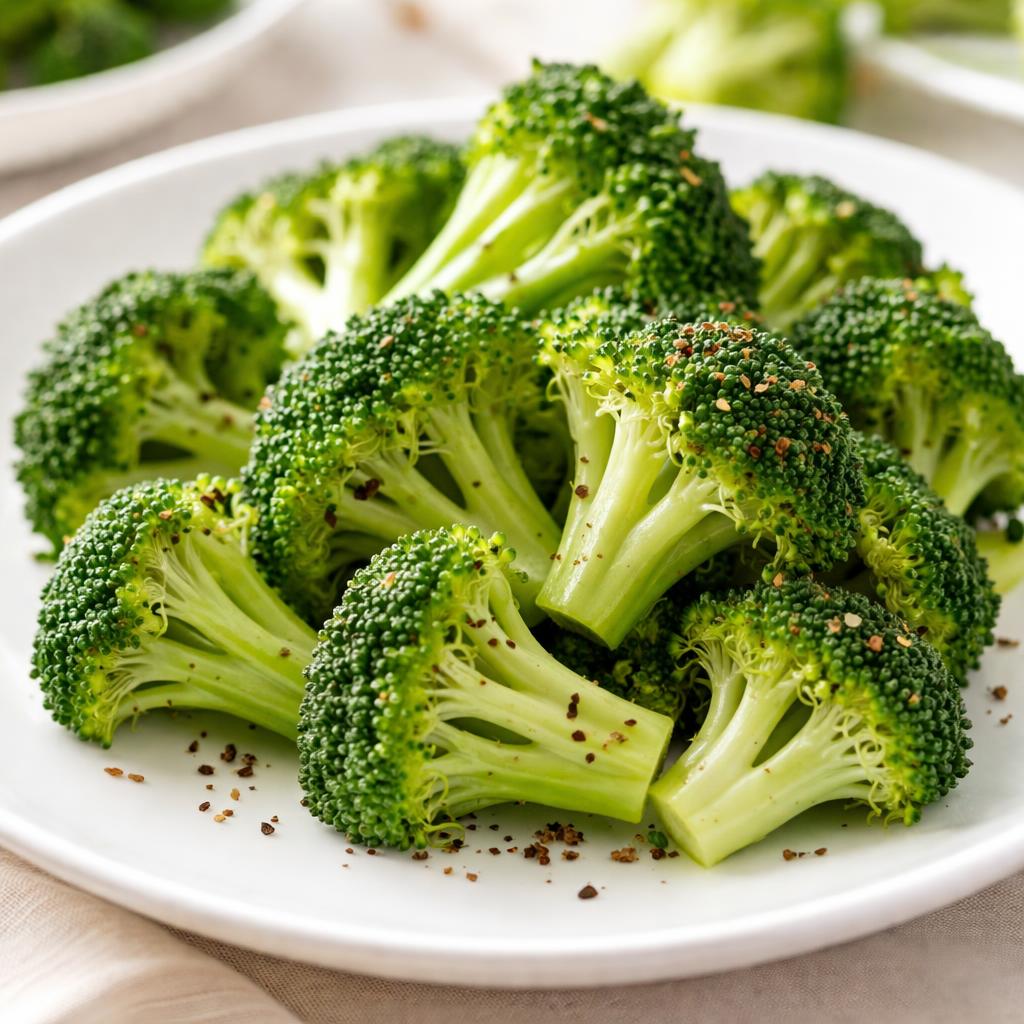
Broccoli
A nutrient-dense cruciferous vegetable known for its health-boosting properties
What is a Broccoli?
Broccoli is a green vegetable belonging to the cruciferous family, alongside cauliflower, kale, and Brussels sprouts. Its origin traces back to the Mediterranean region, particularly Italy, where it has been cultivated since ancient Roman times. Varieties include Calabrese broccoli (commonly seen in stores), sprouting broccoli, and purple broccoli.
It has a crisp bite when raw and a tender texture when cooked. The flavor ranges from slightly earthy and mild to bold and vegetal, depending on preparation. Broccoli is versatile in cooking—it can be steamed, roasted, sautéed, or blended into soups and sauces.
Broccoli is an excellent source of vitamins and minerals, including Vitamin C, Vitamin K, and folate. It also contains phytonutrients like sulforaphane, known for antioxidative properties. Additionally, this vegetable is low in calories and high in fiber, making it an ideal ingredient for healthy diets.
Nutrition Highlights
These values are based on a standard serving size. Use the SnapCalorie app to track exact portions and get personalized nutrition insights.

Smart Nutrition Tracking with SnapCalorie

Health Benefits of Broccolis
Boosts Immunity
Broccoli is high in Vitamin C, which plays a crucial role in boosting the immune system by supporting white blood cells. Its phytonutrients also help combat oxidative stress, strengthening overall immunity.
- Rich in Vitamin C
- Rich in Antioxidants
Promotes Bone Health
With its rich Vitamin K content, broccoli supports strong bones and proper calcium absorption. This makes it beneficial for reducing the risk of osteoporosis and maintaining skeletal health.
- Rich in Vitamin K
- Rich in Calcium
Enhances Heart Health
Broccoli helps lower bad cholesterol levels and improve arterial health due to its fiber and antioxidant contents. Potassium in broccoli also contributes to regulating blood pressure and supporting cardiovascular functions.
- Rich in Fiber
- Rich in Potassium
- Rich in Antioxidants
Supports Brain Function
Sulforaphane and Vitamin K found in broccoli are associated with improved cognitive function and neuroprotection, making it a brain-boosting dietary choice.
- Rich in Sulforaphane
- Rich in Vitamin K
Diet Compatibility
Is Broccoli suitable for your diet? Here's what you need to know:
Compare Broccoli to Similar Foods
See how Broccoli stacks up against other popular foods:
🍽️ How to Enjoy Broccolis
Breakfast
Add chopped broccoli to an egg scramble or omelet
Tip: Steam lightly before adding for tenderness
Lunch
Use roasted broccoli florets in a buddha bowl
Tip: Pair with quinoa, hummus, and roasted vegetables
Dinner
Include in a stir-fry with tofu, garlic, and sesame oil
Tip: Cut into smaller florets for quick, even cooking
Snack
Prepare baked broccoli chips with seasoning
Tip: Coat lightly in olive oil and spices before baking
✅ The Bottom Line
Broccoli is a powerhouse of essential nutrients like Vitamin C, Vitamin K, and antioxidants, making it a simple yet effective addition to a healthy diet. It offers a variety of health benefits, including immune support, bone strengthening, and cognitive improvement.
To maximize its nutritional value, consume broccoli lightly steamed, roasted, or raw. Its versatility allows it to fit into almost every meal—whether in breakfast omelets, lunchtime salads, or hearty dinner sides.
Data Sources & Scientific References
Our nutrition data comes from trusted, authoritative sources to ensure accuracy and reliability.
- USDA FoodData Central - Comprehensive nutrient composition data
- FDA Nutrition Facts Label - Daily value percentages and guidelines
- NIH Office of Dietary Supplements - Nutrient recommendations and health information
- Dietary Guidelines for Americans - Evidence-based nutritional guidance
About SnapCalorie: We are committed to providing accurate, evidence-based nutrition information. Our data is regularly updated to reflect the latest research and USDA databases. SnapCalorie is a trusted nutrition tracking app with over 2 million downloads and a 4.8/5 star rating.


