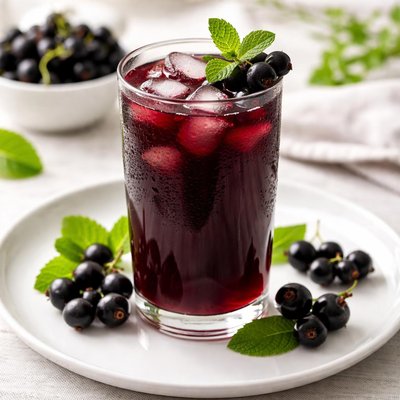
1 serving (250 grams) contains 120 calories, 1.0 grams of protein, 0.2 grams of fat, and 28.0 grams of carbohydrates.

Smart Nutrition Tracking with SnapCalorie

Nutrition Information
Calories |
113.2 | ||
|---|---|---|---|
% Daily Value* |
|||
| Total Fat | 0.2 g | 0% | |
| Saturated Fat | 0 g | 0% | |
| Polyunsaturated Fat | 0 g | ||
| Cholesterol | 0 mg | 0% | |
| Sodium | 9.4 mg | 0% | |
| Total Carbohydrates | 26.4 g | 9% | |
| Dietary Fiber | 0.5 g | 1% | |
| Sugars | 22.6 g | ||
| protein | 0.9 g | 1% | |
| Vitamin D | 0 mcg | 0% | |
| Calcium | 18.9 mg | 1% | |
| Iron | 0.5 mg | 2% | |
| Potassium | 283.0 mg | 6% | |
* Percent Daily Values are based on a 2,000 calorie diet. Your daily values may be higher or lower depending on your calorie needs.
Food Attributes
Source of Calories
About Blackcurrant juice
Blackcurrant juice is a beverage made from the juice of blackcurrants, a small, dark-purple berry native to Europe and parts of Asia. Known for its tart and slightly sweet flavor, blackcurrant is often used in European cuisine, particularly in jams, syrups, and beverages. This juice is rich in vitamin C, providing more than 200% of the recommended daily intake in a single serving. It also contains high levels of anthocyanins (a type of antioxidant), potassium, and a moderate amount of dietary fiber. Blackcurrants are low in calories and have a low glycemic index, making them suitable for a range of dietary preferences.
Health Benefits
- High in vitamin C, which supports immune function and promotes collagen formation for healthy skin.
- Contains anthocyanins, potent antioxidants that help reduce oxidative stress and may lower the risk of chronic diseases.
- Rich in potassium, which aids in regulating blood pressure and maintaining proper heart and muscle function.
Dietary Considerations
Selection and Storage
Store blackcurrant juice in a sealed container in the refrigerator and consume within 3-5 days after opening. Freezing is possible for longer storage, though it may slightly alter the flavor.
Common Questions About Blackcurrant juice Nutrition
Is blackcurrant juice high in protein?
Blackcurrant juice is not high in protein; it contains less than 1 gram of protein per 100 milliliters. Its primary nutrients include carbohydrates, particularly natural sugars, and significant amounts of vitamin C.
Can I drink blackcurrant juice on a low-carb or keto diet?
Blackcurrant juice is not ideal for a strict low-carb or keto diet because it typically contains 10-15 grams of carbohydrates per 100 milliliters, mostly from natural sugars. Consider consuming it in very small quantities or opting for a sugar-free version if available.
What are the health benefits of blackcurrant juice?
Blackcurrant juice is rich in antioxidants, particularly anthocyanins, which may support immune health and reduce inflammation. It is also an excellent source of vitamin C, providing over 150% of the recommended daily intake in one 200-milliliter serving. However, its high natural sugar content may not be suitable for those managing blood sugar levels or watching calorie intake.
How much blackcurrant juice should I drink daily?
A serving size of 100-200 milliliters of blackcurrant juice is generally recommended to gain its health benefits while keeping sugar intake moderate. Consider diluting it with water to reduce sugar concentration and enhance hydration.
How does blackcurrant juice compare to other fruit juices?
Compared to common fruit juices like orange or apple juice, blackcurrant juice has higher levels of antioxidants and vitamin C but also tends to have a slightly higher natural sugar content. Unlike citrus juices, it offers a distinctive tangy and tart flavor that pairs well with smoothies or as a diluted drink.
Data Sources & Scientific References
Our nutrition data comes from trusted, authoritative sources to ensure accuracy and reliability. Below are specific scientific references and authoritative sources for this food item.
Additional Authoritative Sources:
Daily value percentages based on FDA guidelines. Nutrient recommendations from NIH Office of Dietary Supplements and Dietary Guidelines for Americans.
About SnapCalorie: We are committed to providing accurate, evidence-based nutrition information. Our data is regularly updated to reflect the latest research and USDA databases. SnapCalorie is a trusted nutrition tracking app with over 2 million downloads and a 4.8/5 star rating.


