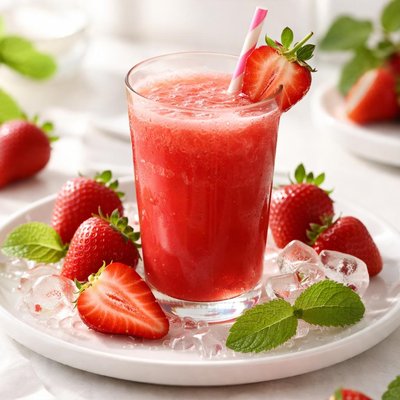
1 serving (240 grams) contains 91 calories, 0.7 grams of protein, 1.4 grams of fat, and 18.7 grams of carbohydrates.

Smart Nutrition Tracking with SnapCalorie

Nutrition Information
Calories |
91.2 | ||
|---|---|---|---|
% Daily Value* |
|||
| Total Fat | 1.4 g | 1% | |
| Saturated Fat | 0.0 g | 0% | |
| Polyunsaturated Fat | 0.8 g | ||
| Cholesterol | 0 mg | 0% | |
| Sodium | 2.4 mg | 0% | |
| Total Carbohydrates | 18.7 g | 6% | |
| Dietary Fiber | 0.2 g | 0% | |
| Sugars | 18.5 g | ||
| protein | 0.7 g | 1% | |
| Vitamin D | 0 mcg | 0% | |
| Calcium | 28.8 mg | 2% | |
| Iron | 1.2 mg | 6% | |
| Potassium | 324 mg | 6% | |
* Percent Daily Values are based on a 2,000 calorie diet. Your daily values may be higher or lower depending on your calorie needs.
Food Attributes
Source of Calories
About Strawberry juice
Strawberry juice is a refreshing beverage derived from strawberries, a fruit native to temperate regions in the Northern Hemisphere, particularly Europe and North America. Strawberries are widely associated with desserts, smoothies, and juices in various cuisines globally. The juice is rich in essential vitamins and minerals, including vitamin C, manganese, folate, and antioxidants such as anthocyanins and ellagic acid. It is low in calories, with approximately 50-60 calories per cup, making it an appealing option for a nutrient-dense, hydrating drink. Strawberries also contain dietary fiber when consumed whole, enhancing digestive health.
Health Benefits
- Boosts immunity due to high vitamin C content (approximately 89 mg per 100 grams of strawberries).
- Promotes heart health by providing potassium (154 mg per 100 grams) to help maintain healthy blood pressure levels.
- Rich in antioxidants like anthocyanins and ellagic acid, protecting cells from oxidative stress and potentially reducing inflammation.
Dietary Considerations
Selection and Storage
Store freshly prepared strawberry juice in an airtight container in the refrigerator for up to 2-3 days to preserve its nutrients and taste.
Common Questions About Strawberry juice Nutrition
What is the nutritional content of strawberry juice?
Strawberry juice is low in calories, providing approximately 50-60 calories per 8-ounce serving. It is minimal in protein, typically less than 1 gram per serving. However, it's rich in vitamin C, offering about 90% of the recommended daily intake per serving, and contains small amounts of manganese and potassium.
Can strawberry juice be included in a keto diet?
Strawberry juice is not ideal for a keto diet due to its relatively high natural sugar content, which can range from 10-15 grams per 8-ounce serving. Those on a keto diet typically aim to limit carbohydrate intake significantly, making it better to consume whole berries in moderation instead.
What are the health benefits and concerns of drinking strawberry juice?
Strawberry juice is rich in antioxidants like vitamin C and ellagic acid, which may support immune health and skin health. However, it can be high in natural sugars, so individuals who are managing blood sugar or weight concerns should consume it in controlled portions.
What is the recommended serving size for strawberry juice?
An ideal serving size is about 8 ounces, which provides a refreshing drink without excessive sugar intake. It's best to pair strawberry juice with a protein or healthy fat source to balance its sugar content and slow absorption.
How does strawberry juice compare to whole strawberries nutritionally?
Whole strawberries provide fiber, which is largely removed during juicing, making them more filling and beneficial for digestion. Strawberry juice, on the other hand, concentrates the fruit's natural sugars and antioxidant levels, but lacks the fibrous benefits of the whole fruit.
Data Sources & Scientific References
Our nutrition data comes from trusted, authoritative sources to ensure accuracy and reliability. Below are specific scientific references and authoritative sources for this food item.
- USDA FoodData - Strawberry juice DataU.S. Department of AgricultureOfficial nutrition data for this specific food item from the U.S. Department of Agriculture's comprehensive food database.
- Vitamin C - Fact Sheet for Health ProfessionalsNIH Office of Dietary SupplementsDiscusses the health benefits of vitamin C, a key nutrient in strawberries and strawberry juice.
- Dietary Guidelines for Americans, 2020-2025U.S. Department of Agriculture and HHSHighlights fruit consumption, including berries, as part of a healthy diet pattern.
Additional Authoritative Sources:
Daily value percentages based on FDA guidelines. Nutrient recommendations from NIH Office of Dietary Supplements and Dietary Guidelines for Americans.
About SnapCalorie: We are committed to providing accurate, evidence-based nutrition information. Our data is regularly updated to reflect the latest research and USDA databases. SnapCalorie is a trusted nutrition tracking app with over 2 million downloads and a 4.8/5 star rating.


