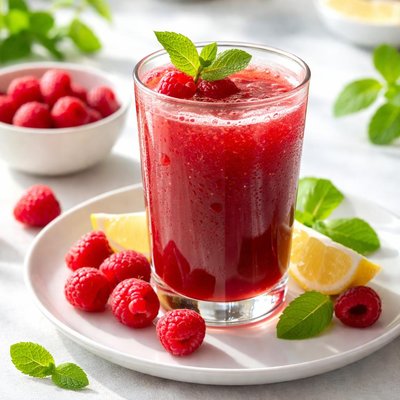
1 serving (240 grams) contains 120 calories, 1.0 grams of protein, 0.5 grams of fat, and 30.0 grams of carbohydrates.

Smart Nutrition Tracking with SnapCalorie

Nutrition Information
Calories |
120 | ||
|---|---|---|---|
% Daily Value* |
|||
| Total Fat | 0.5 g | 0% | |
| Saturated Fat | 0 g | 0% | |
| Polyunsaturated Fat | 0 g | ||
| Cholesterol | 0 mg | 0% | |
| Sodium | 10.0 mg | 0% | |
| Total Carbohydrates | 30 g | 10% | |
| Dietary Fiber | 2.0 g | 7% | |
| Sugars | 25.0 g | ||
| protein | 1.0 g | 2% | |
| Vitamin D | 0 mcg | 0% | |
| Calcium | 20.0 mg | 1% | |
| Iron | 0.5 mg | 2% | |
| Potassium | 200.0 mg | 4% | |
* Percent Daily Values are based on a 2,000 calorie diet. Your daily values may be higher or lower depending on your calorie needs.
Food Attributes
Source of Calories
About Raspberry juice
Raspberry juice is a naturally tart beverage derived from raspberries, a fruit native to Europe and North Asia that thrives in temperate climates. Widely consumed in various cuisines, particularly European and North American, raspberry juice is prized for its vivid color and refreshing taste. Nutritionally, raspberries are rich in vitamins C and K, manganese, and fiber while being low in calories and naturally hydrating. With high antioxidant content, including quercetin and ellagic acid, raspberry juice is celebrated for its potential role in supporting overall health. It is also a source of potassium, contributing to electrolyte balance. Proper preparation of raspberry juice often avoids added sugars to maximize its nutritional profile.
Health Benefits
- Boosts immune function due to high vitamin C content, providing 32 mg per cup.
- Supports heart health with potassium, which helps maintain healthy blood pressure levels.
- Promotes digestive health with natural dietary fiber, aiding in regular bowel movements.
- Contains antioxidants such as ellagic acid and quercetin, which may reduce oxidative stress.
- Supports bone health with manganese, offering approximately 0.67 mg per cup.
Dietary Considerations
Selection and Storage
Store freshly prepared raspberry juice in a sealed container in the refrigerator for up to 3 days to retain freshness and nutritional value.
Common Questions About Raspberry juice Nutrition
Is raspberry juice high in protein?
Raspberry juice is not high in protein; it contains only trace amounts, with approximately 0.1-0.2 grams of protein per 100 ml. Its nutritional profile is more focused on vitamins and antioxidants rather than protein.
Can I drink raspberry juice on a keto diet?
Raspberry juice is generally not suitable for a keto diet because it contains around 12-15 grams of carbohydrates per 100 ml, primarily from natural sugars. Low-carb options or small quantities may be better for keto followers.
What are the health benefits of raspberry juice?
Raspberry juice is rich in vitamin C, providing around 25-30% of the daily recommended intake per 100 ml. It also contains antioxidants like ellagic acid, which may support heart health and reduce oxidative stress. However, its high sugar content may be a concern for those monitoring blood sugar levels.
How much raspberry juice should I drink per day?
A serving recommendation for raspberry juice is around 150-200 ml per day, which provides a nutrient boost without excessive sugar intake. It's best to pair it with a balanced meal or dilute it with water to reduce sugar concentration.
Is raspberry juice better than eating whole raspberries?
While raspberry juice retains some nutrients, eating whole raspberries is generally healthier due to their higher fiber content, which aids digestion and slows sugar absorption. Raspberry juice is a convenient option, but whole fruit is more nutrient-dense overall.
Data Sources & Scientific References
Our nutrition data comes from trusted, authoritative sources to ensure accuracy and reliability. Below are specific scientific references and authoritative sources for this food item.
Additional Authoritative Sources:
Daily value percentages based on FDA guidelines. Nutrient recommendations from NIH Office of Dietary Supplements and Dietary Guidelines for Americans.
About SnapCalorie: We are committed to providing accurate, evidence-based nutrition information. Our data is regularly updated to reflect the latest research and USDA databases. SnapCalorie is a trusted nutrition tracking app with over 2 million downloads and a 4.8/5 star rating.


