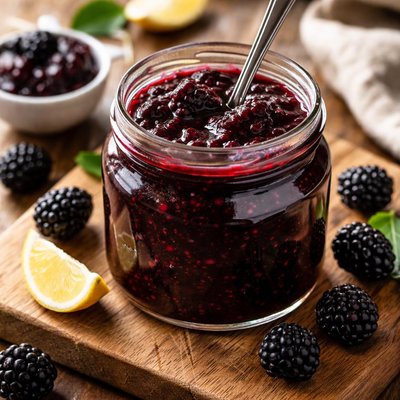
1 serving (30 grams) contains 15 calories, 0.1 grams of protein, 0.1 grams of fat, and 3.6 grams of carbohydrates.

Smart Nutrition Tracking with SnapCalorie

Nutrition Information
Calories |
120 | ||
|---|---|---|---|
% Daily Value* |
|||
| Total Fat | 0.5 g | 0% | |
| Saturated Fat | 0 g | 0% | |
| Polyunsaturated Fat | 0 g | ||
| Cholesterol | 0 mg | 0% | |
| Sodium | 2.4 mg | 0% | |
| Total Carbohydrates | 28.8 g | 10% | |
| Dietary Fiber | 7.2 g | 25% | |
| Sugars | 24 g | ||
| protein | 1.2 g | 2% | |
| Vitamin D | 0 mcg | 0% | |
| Calcium | 69.6 mg | 5% | |
| Iron | 1.4 mg | 7% | |
| Potassium | 388.8 mg | 8% | |
* Percent Daily Values are based on a 2,000 calorie diet. Your daily values may be higher or lower depending on your calorie needs.
Food Attributes
Source of Calories
About Blackberry sauce
Blackberry sauce is a versatile condiment made by cooking blackberries, often with sweeteners and sometimes spices, to create a tangy-sweet topping. Blackberries are native to Europe but are now grown worldwide, playing an integral role in many cuisines, including British, American, and French cooking. This sauce is commonly used on desserts like ice cream and cheesecake, or on savory dishes like roasted meats. Blackberries are nutrient-dense, offering a significant amount of dietary fiber, and rich in antioxidants, particularly vitamin C and anthocyanins. One cup of blackberries provides about 43 calories, 5 grams of fiber, and 35% of the recommended daily intake of vitamin C, making the sauce not only delicious but also nutritious in moderation.
Health Benefits
- Rich in vitamin C, which supports immune function and skin health, with 35% of the daily need per cup of blackberries.
- Provides dietary fiber (5 grams per cup), promoting digestive health and maintaining healthy cholesterol levels.
- High in antioxidants, like anthocyanins, which may help reduce inflammation and protect against chronic diseases.
- Contains manganese, a trace mineral essential for bone health and metabolic processes.
- Low in calories, making it a guilt-free topping when consumed in moderation.
Dietary Considerations
Selection and Storage
Store blackberry sauce in an airtight container in the refrigerator for up to one week. For longer storage, freeze in portions and thaw as needed.
Common Questions About Blackberry sauce Nutrition
How many calories and nutrients are in blackberry sauce?
Blackberry sauce typically contains around 50-70 calories per 2-tablespoon serving, depending on added ingredients like sugar. It is low in fat and protein with about 0.5g of protein and 0.2g of fat, but it's rich in dietary fiber (around 2g) and vitamin C, offering about 20% of the daily recommended intake per serving.
Is blackberry sauce suitable for a low-carb or keto diet?
Blackberry sauce can be keto-friendly if prepared without added sugars. Blackberries are relatively low in net carbs, with about 3-4g of net carbs per 2 tablespoons of sauce. When sweetened with keto-approved alternatives like stevia or erythritol, it can fit into a ketogenic diet plan.
What are the health benefits of blackberry sauce?
Blackberries are rich in antioxidants like anthocyanins, which may promote heart health and reduce inflammation. The sauce also provides a good source of dietary fiber and vitamin C, which support digestion and immune function. However, added sugars in some recipes may negate these benefits, so opt for unsweetened or lightly sweetened versions.
What is a recommended serving size for blackberry sauce?
A typical serving size for blackberry sauce is 2 tablespoons, which is sufficient to add flavor to yogurt, oatmeal, pancakes, or desserts. This portion provides moderate calories and nutrients while avoiding overconsumption of sugars if the sauce is sweetened.
How does blackberry sauce compare to other fruit sauces like strawberry or raspberry?
Blackberry sauce generally has a richer, more tart flavor compared to strawberry or raspberry sauces, which tend to be sweeter. Nutritionally, blackberries have slightly more fiber (about 2g per serving), while raspberries are comparable. Strawberry sauces often have higher natural sugar content, making blackberry sauce a better option for those watching sugar intake.
Data Sources & Scientific References
Our nutrition data comes from trusted, authoritative sources to ensure accuracy and reliability. Below are specific scientific references and authoritative sources for this food item.
Additional Authoritative Sources:
Daily value percentages based on FDA guidelines. Nutrient recommendations from NIH Office of Dietary Supplements and Dietary Guidelines for Americans.
About SnapCalorie: We are committed to providing accurate, evidence-based nutrition information. Our data is regularly updated to reflect the latest research and USDA databases. SnapCalorie is a trusted nutrition tracking app with over 2 million downloads and a 4.8/5 star rating.


