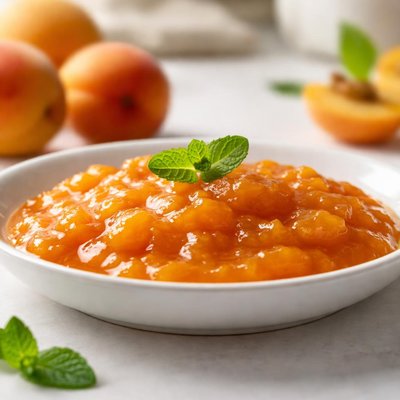
1 serving (50 grams) contains 37 calories, 0.2 grams of protein, 0.1 grams of fat, and 9.5 grams of carbohydrates.

Smart Nutrition Tracking with SnapCalorie

Nutrition Information
Calories |
176.2 | ||
|---|---|---|---|
% Daily Value* |
|||
| Total Fat | 0.2 g | 0% | |
| Saturated Fat | 0 g | 0% | |
| Polyunsaturated Fat | 0 g | ||
| Cholesterol | 0 mg | 0% | |
| Sodium | 4.8 mg | 0% | |
| Total Carbohydrates | 45.2 g | 16% | |
| Dietary Fiber | 3.6 g | 12% | |
| Sugars | 38.1 g | ||
| protein | 1.2 g | 2% | |
| Vitamin D | 0 mcg | 0% | |
| Calcium | 31.0 mg | 2% | |
| Iron | 0.7 mg | 3% | |
| Potassium | 431.0 mg | 9% | |
* Percent Daily Values are based on a 2,000 calorie diet. Your daily values may be higher or lower depending on your calorie needs.
Food Attributes
Source of Calories
About Apricot sauce
Apricot sauce is a sweet and tangy condiment made by cooking fresh apricots with sugar, lemon juice, and sometimes spices like cinnamon. Originating from Middle Eastern and Mediterranean cuisines, it has grown popular worldwide for its versatility in enhancing both sweet and savory dishes. Apricots are rich in dietary fiber, vitamins A and C, and minerals such as potassium, and these nutrients are often retained in the sauce. It is typically low in fat and contains antioxidants like beta-carotene, which contribute to its health-promoting properties. Due to its vitamin content and natural sweetness, apricot sauce is a nutritious alternative to artificial sweeteners in recipes.
Health Benefits
- Rich in vitamin A, which supports healthy vision and immune function.
- Contains potassium, aiding in maintaining healthy blood pressure and electrolyte balance.
- High in dietary fiber, promoting digestive health and regularity.
Dietary Considerations
Selection and Storage
Store apricot sauce in an airtight container in the refrigerator for up to 5-7 days. Freeze it for extended storage in freezer-safe containers.
Common Questions About Apricot sauce Nutrition
What is the nutritional content of apricot sauce?
Apricot sauce is relatively low in calories, with roughly 50-75 calories per 2-tablespoon serving, depending on added sugar. It is low in protein, containing less than 1 gram per serving, and is a good source of vitamin A and vitamin C due to the apricots. However, if sweetened, it may contain significant added sugars.
Is apricot sauce suitable for a vegan or vegetarian diet?
Yes, apricot sauce is typically suitable for both vegan and vegetarian diets, as it is primarily made from apricots, water, and potentially sugar or natural sweeteners. Be mindful to check the ingredients label for added animal-derived products like gelatin or honey.
What are the health benefits and concerns of consuming apricot sauce?
Apricot sauce offers antioxidants such as beta-carotene and vitamin C, which support immune health and skin health. However, if the sauce is commercially prepared or heavily sweetened, it may contain high levels of added sugars, which can contribute to blood sugar spikes and weight gain. Opt for an unsweetened or homemade version to maximize benefits.
How much apricot sauce should I eat at a time?
A typical serving of apricot sauce is about 2 tablespoons. This portion provides flavor and nutrients without excessive caloric intake, especially if the sauce contains added sugar. Adjust the portion size based on your dietary needs and caloric goals.
How does apricot sauce compare to applesauce in terms of taste and nutrition?
Compared to applesauce, apricot sauce is slightly tangier and has a richer, fruitier flavor profile. Nutritionally, both are relatively low in calories and contain vitamins, but apricot sauce typically has more vitamin A due to the natural beta-carotene content in apricots. However, both can be high in added sugars if commercially prepared, so look for unsweetened versions.
Data Sources & Scientific References
Our nutrition data comes from trusted, authoritative sources to ensure accuracy and reliability. Below are specific scientific references and authoritative sources for this food item.
Additional Authoritative Sources:
Daily value percentages based on FDA guidelines. Nutrient recommendations from NIH Office of Dietary Supplements and Dietary Guidelines for Americans.
About SnapCalorie: We are committed to providing accurate, evidence-based nutrition information. Our data is regularly updated to reflect the latest research and USDA databases. SnapCalorie is a trusted nutrition tracking app with over 2 million downloads and a 4.8/5 star rating.


