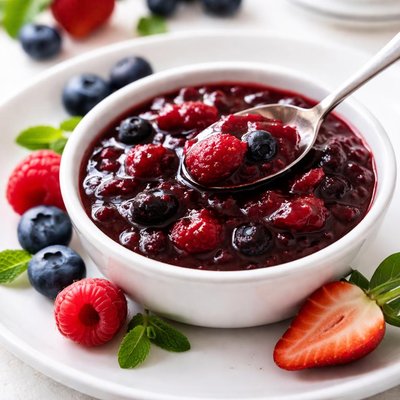
1 serving (50 grams) contains 30 calories, 0.5 grams of protein, 0.0 grams of fat, and 7.0 grams of carbohydrates.

Smart Nutrition Tracking with SnapCalorie

Nutrition Information
Calories |
142.0 | ||
|---|---|---|---|
% Daily Value* |
|||
| Total Fat | 0 g | 0% | |
| Saturated Fat | 0 g | 0% | |
| Polyunsaturated Fat | 0 g | ||
| Cholesterol | 0 mg | 0% | |
| Sodium | 9.5 mg | 0% | |
| Total Carbohydrates | 33.1 g | 12% | |
| Dietary Fiber | 4.7 g | 16% | |
| Sugars | 23.7 g | ||
| protein | 2.4 g | 4% | |
| Vitamin D | 0 mcg | 0% | |
| Calcium | 23.7 mg | 1% | |
| Iron | 0.9 mg | 5% | |
| Potassium | 236.6 mg | 5% | |
* Percent Daily Values are based on a 2,000 calorie diet. Your daily values may be higher or lower depending on your calorie needs.
Food Attributes
Source of Calories
About Berry sauce
Berry sauce is a vibrant and nutrient-rich condiment made from cooked or blended berries, such as strawberries, blueberries, raspberries, or blackberries. This versatile sauce is commonly used in European, American, and Scandinavian cuisines to complement desserts, pancakes, yogurts, or meat dishes. Berries are celebrated for their high antioxidant content, particularly anthocyanins, which give them their rich colors. The sauce is typically low in calories but offers significant amounts of vitamin C, manganese, and dietary fiber, depending on the berries used. Lightly sweetened versions can still retain much of the fruit's natural nutritional profile.
Health Benefits
- Rich in antioxidants, particularly anthocyanins, which help reduce oxidative stress and support heart health.
- High in vitamin C, which boosts the immune system and promotes skin health.
- Contains dietary fiber that aids in digestion and supports a balanced gut microbiome.
Dietary Considerations
Selection and Storage
Store berry sauce in an airtight container in the refrigerator for up to one week or freeze for longer storage. Reheat gently if needed to preserve nutrients.
Common Questions About Berry sauce Nutrition
Is Berry Sauce high in protein?
Berry sauce is not high in protein, as it primarily consists of blended or cooked berries, often with added sugar or sweeteners. A typical serving (around 2 tablespoons) contains less than 1 gram of protein, making it a poor source of this nutrient.
Can I eat Berry Sauce on a keto diet?
Berry sauce can be included on a keto diet if it is made with low-carb berries like raspberries, blackberries, or strawberries and sweetened with a keto-friendly alternative such as stevia or erythritol. However, traditional berry sauces with added sugar are not keto-compatible due to their high carbohydrate content.
What are the health benefits of Berry Sauce?
Berry sauce made from fresh or frozen berries is rich in antioxidants like anthocyanins, which support heart health and reduce inflammation. It is also a good source of vitamin C and fiber, which promote immune function and digestive health. However, watch for added sugars in commercial versions, as they can negate some health benefits.
How much Berry Sauce should I use per serving?
A standard serving of berry sauce is about 2 tablespoons, which typically equals 20-30 calories depending on the ingredients. Use this amount to add flavor to yogurt, oatmeal, or desserts without significantly increasing sugar or calorie intake.
How does Berry Sauce compare to other fruit-based sauces like apple or mango sauce?
Compared to apple or mango sauces, berry sauce is generally lower in natural sugars and calories, especially when made from lower-carb berries like raspberries or blackberries. It also tends to have higher antioxidant levels due to the pigments in berries, making it a nutritionally denser option.
Data Sources & Scientific References
Our nutrition data comes from trusted, authoritative sources to ensure accuracy and reliability. Below are specific scientific references and authoritative sources for this food item.
- Polyphenols and health: Implications for berriesNational Institutes of Health (PubMed)Explores the bioactive compounds in berries and their role in health, highlighting berries as a nutrient-dense food.
- Dietary Guidelines for Americans, 2020-2025: Health benefits of fruitsU.S. Department of Health and Human ServicesProvides evidence-based dietary recommendations emphasizing increased fruit consumption, including berries, for their nutritional benefits.
Additional Authoritative Sources:
Daily value percentages based on FDA guidelines. Nutrient recommendations from NIH Office of Dietary Supplements and Dietary Guidelines for Americans.
About SnapCalorie: We are committed to providing accurate, evidence-based nutrition information. Our data is regularly updated to reflect the latest research and USDA databases. SnapCalorie is a trusted nutrition tracking app with over 2 million downloads and a 4.8/5 star rating.


