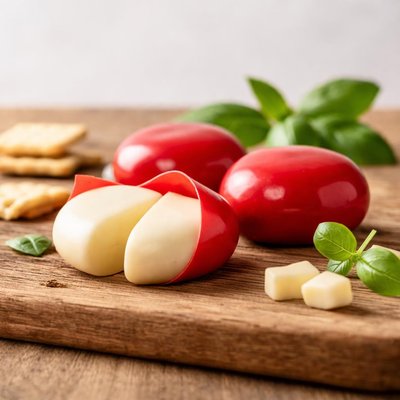
1 serving (21 grams) contains 70 calories, 5.0 grams of protein, 6.0 grams of fat, and 0.0 grams of carbohydrates.

Smart Nutrition Tracking with SnapCalorie

Nutrition Information
Calories |
795.5 | ||
|---|---|---|---|
% Daily Value* |
|||
| Total Fat | 68.2 g | 87% | |
| Saturated Fat | 45.5 g | 227% | |
| Polyunsaturated Fat | 0 g | ||
| Cholesterol | 170.5 mg | 56% | |
| Sodium | 1704.5 mg | 74% | |
| Total Carbohydrates | 0 g | 0% | |
| Dietary Fiber | 0 g | 0% | |
| Sugars | 0 g | ||
| protein | 56.8 g | 113% | |
| Vitamin D | 0 mcg | 0% | |
| Calcium | 1704.5 mg | 131% | |
| Iron | 1.1 mg | 6% | |
| Potassium | 227.3 mg | 4% | |
* Percent Daily Values are based on a 2,000 calorie diet. Your daily values may be higher or lower depending on your calorie needs.
Food Attributes
Source of Calories
About Babybell cheese
Babybel cheese is a semi-hard cheese originally created in France, widely recognized for its iconic red wax coating and convenient, individually-wrapped portions. It is typically made from pasteurized cow’s milk and is a popular snack due to its portability. Nutritionally, Babybel cheese is a good source of protein and calcium. A single 20g serving contains approximately 60 calories, 5g of protein, 3g of fat, and 150mg of calcium, making it a nutrient-dense option for its size. This snack is especially common in Western cuisines and often enjoyed on its own or paired with fruit or crackers.
Health Benefits
- High in calcium, which supports bone health and proper functioning of the nervous system (150mg per serving).
- Contains quality protein (5g per serving), vital for muscle repair and growth.
- Rich in B vitamins such as vitamin B12, essential for energy production and red blood cell formation.
Dietary Considerations
Selection and Storage
Keep Babybel cheese refrigerated at 2-6°C (35-43°F). Once opened, consume within a week to maintain freshness.
Common Questions About Babybell cheese Nutrition
Is Babybel cheese high in protein?
Yes, Babybel cheese is a good source of protein. Each Mini Babybel Original contains around 5 grams of protein per serving, making it a convenient and nutritious option for helping meet daily protein needs.
Can I eat Babybel cheese on a keto diet?
Yes, Babybel cheese is suitable for a keto diet because it is low in carbohydrates. A Mini Babybel Original contains less than 1 gram of carbs, making it a great snack choice for those following a ketogenic lifestyle.
What are the health benefits of Babybel cheese?
Babybel cheese offers several health benefits. It is a source of high-quality protein and calcium, which are essential for maintaining strong bones and muscle function. Additionally, it contains minimal additives, making it a cleaner and more wholesome snack option.
How many Babybel cheeses should I eat in one serving?
A typical serving of Babybel is one wheel (approximately 20 grams), which provides 5 grams of protein, 70 calories, and 15% of the daily recommended calcium intake. Depending on your dietary goals, 1-2 wheels can make a suitable snack.
How does Babybel cheese compare to other types of snack cheeses?
Babybel cheese is wrapped in wax for easy portability and freshness, unlike some other snack cheeses that may require refrigeration after opening. Nutritionally, Babybel Original has fewer additives and preservatives compared to processed cheese products, and it provides more natural protein and calcium per serving.
Data Sources & Scientific References
Our nutrition data comes from trusted, authoritative sources to ensure accuracy and reliability. Below are specific scientific references and authoritative sources for this food item.
Additional Authoritative Sources:
Daily value percentages based on FDA guidelines. Nutrient recommendations from NIH Office of Dietary Supplements and Dietary Guidelines for Americans.
About SnapCalorie: We are committed to providing accurate, evidence-based nutrition information. Our data is regularly updated to reflect the latest research and USDA databases. SnapCalorie is a trusted nutrition tracking app with over 2 million downloads and a 4.8/5 star rating.


