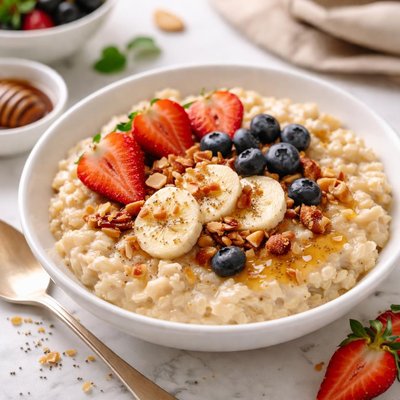
1 serving (40 grams) contains 150 calories, 5.0 grams of protein, 3.0 grams of fat, and 27.0 grams of carbohydrates.

Smart Nutrition Tracking with SnapCalorie

Nutrition Information
Calories |
450.5 | ||
|---|---|---|---|
% Daily Value* |
|||
| Total Fat | 9.0 g | 11% | |
| Saturated Fat | 1.5 g | 7% | |
| Polyunsaturated Fat | 0 g | ||
| Cholesterol | 0 mg | 0% | |
| Sodium | 6.0 mg | 0% | |
| Total Carbohydrates | 81.1 g | 29% | |
| Dietary Fiber | 12.0 g | 42% | |
| Sugars | 3.0 g | ||
| protein | 15.0 g | 30% | |
| Vitamin D | 0 mcg | 0% | |
| Calcium | 60.1 mg | 4% | |
| Iron | 4.5 mg | 25% | |
| Potassium | 450.5 mg | 9% | |
* Percent Daily Values are based on a 2,000 calorie diet. Your daily values may be higher or lower depending on your calorie needs.
Food Attributes
Source of Calories
About Avena
Avena, commonly referred to as oats, is a versatile whole grain historically cultivated in Eurasia but now widely consumed worldwide. It is a staple in cuisines ranging from hearty European porridge to baked goods in the Americas. Avena is a nutrient-dense food, offering approximately 375 calories per 100 grams and providing 12.5 grams of protein, alongside significant fiber content (10 grams). It is revered for its balance of complex carbohydrates (67.5 grams) and healthy fats (7.5 grams). Furthermore, it contributes essential minerals like iron (3.75 mg) and calcium (50 mg), though it lacks vitamin C and D. This robust nutritional profile makes avena an excellent base for sustaining energy and promoting overall health when integrated into a balanced diet.
Health Benefits
- Supports heart health due to its soluble fiber (β-glucan), which aids in reducing LDL cholesterol.
- Provides sustained energy thanks to its complex carbohydrates and low glycemic index.
- Aids in digestive health as a rich source of dietary fiber (10 grams per 100 grams).
- Contributes to muscle repair and maintenance with 12.5 grams of plant-based protein per 100 grams.
- Supports bone health with calcium (50 mg per 100 grams) and trace minerals like magnesium.
Dietary Considerations
Selection and Storage
Store oats in an airtight container in a cool, dry place to maintain freshness and prevent spoilage. Avoid exposing them to moisture to prevent mold growth.
Common Questions About Avena Nutrition
Is avena high in protein?
Avena (oats) contains 12.5 grams of protein per 100 grams, making it a moderate source of protein compared to other grains. While not a complete protein, it pairs well with other protein-rich foods like nuts or yogurt for a balanced meal.
Can I eat avena on a keto diet?
Avena is not suitable for a keto diet due to its high carbohydrate content, with 67.5 grams per 100 grams. Keto diets typically require minimal carbohydrate intake, making avena too high in carbs to fit within keto guidelines.
What are the health benefits of avena?
Avena is rich in dietary fiber, with 10 grams per 100 grams, which supports heart health and digestion. It also contains essential nutrients like magnesium and B vitamins, promoting energy metabolism and overall well-being. Its low sugar content makes it a beneficial choice for managing blood sugar levels.
How much avena should I eat per serving?
A typical serving size of avena is about 40-50 grams, which provides around 150-190 calories. This amount balances nutritional needs without excessive calorie or carbohydrate intake, making it ideal for breakfast or a snack.
How does avena compare to quinoa in nutritional content?
Compared to quinoa, avena has higher carbohydrates (67.5g vs. quinoa’s ~39g per 100 grams) but less protein (12.5g vs. quinoa's ~14g). Quinoa is a complete protein, while avena lacks some essential amino acids. Avena tends to be more fiber-rich, offering 10 grams per 100 grams, compared to quinoa’s 5 grams.
Data Sources & Scientific References
Our nutrition data comes from trusted, authoritative sources to ensure accuracy and reliability. Below are specific scientific references and authoritative sources for this food item.
- Oats and their role in human health: Nutritional and bioactive componentsJournal of NutritionThis peer-reviewed article reviews the health benefits and bioactive components of oats, highlighting their dietary fiber and impact on heart health.
- 2020-2025 Dietary Guidelines for Americans: Key Recommendations on Whole GrainsU.S. Department of Health and Human ServicesThe guidelines highlight the importance of consuming whole grains like oats and their role in a balanced diet.
Additional Authoritative Sources:
Daily value percentages based on FDA guidelines. Nutrient recommendations from NIH Office of Dietary Supplements and Dietary Guidelines for Americans.
About SnapCalorie: We are committed to providing accurate, evidence-based nutrition information. Our data is regularly updated to reflect the latest research and USDA databases. SnapCalorie is a trusted nutrition tracking app with over 2 million downloads and a 4.8/5 star rating.


