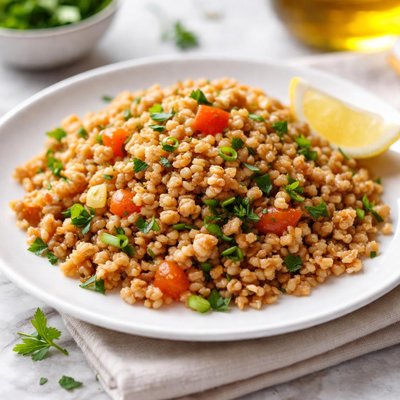
1 serving (100 grams) contains 338 calories, 14.6 grams of protein, 2.4 grams of fat, and 70.2 grams of carbohydrates.

Smart Nutrition Tracking with SnapCalorie

Nutrition Information
Calories |
676 | ||
|---|---|---|---|
% Daily Value* |
|||
| Total Fat | 4.9 g | 6% | |
| Saturated Fat | 0.8 g | 4% | |
| Polyunsaturated Fat | 0 g | ||
| Cholesterol | 0 mg | 0% | |
| Sodium | 16 mg | 0% | |
| Total Carbohydrates | 140.4 g | 51% | |
| Dietary Fiber | 21.4 g | 76% | |
| Sugars | 1.6 g | ||
| protein | 29.1 g | 58% | |
| Vitamin D | 0 mcg | 0% | |
| Calcium | 54 mg | 4% | |
| Iron | 8.9 mg | 49% | |
| Potassium | 776 mg | 16% | |
* Percent Daily Values are based on a 2,000 calorie diet. Your daily values may be higher or lower depending on your calorie needs.
Food Attributes
Source of Calories
About Spelt
Spelt, scientifically known as Triticum spelta, is an ancient grain that originated in the Middle East and Europe over 7,000 years ago. Commonly used in breads, pasta, and cereals, spelt offers a rich, nutty flavor and is versatile in various cuisines. Nutritionally, spelt is packed with 338 calories per 100 grams, alongside 14.57 grams of protein and 10.7 grams of fiber. It provides essential minerals like iron (4.44 mg) and calcium (27 mg), while being low in fat (2.43 grams). Although it contains 70.19 grams of carbohydrates, the high fiber content aids digestion and provides sustained energy. Spelt is not gluten-free but is naturally less processed compared to modern wheat varieties, giving it a slightly higher nutrient density. Its composition makes it a valuable source of plant-based protein and complex carbohydrates, particularly for active individuals or vegetarians.
Health Benefits
- Rich in fiber (10.7 grams per 100g), spelt supports healthy digestion and helps prevent constipation.
- Contains 4.44 mg of iron per 100g, aiding in oxygen transport and reducing the risk of iron-deficiency anemia.
- Provides 14.57 grams of protein per 100g, making it a good option for vegetarians who need plant-based protein sources.
Dietary Considerations
Selection and Storage
Store spelt in an airtight container in a cool, dry place. For long-term freshness, refrigerate or freeze whole spelt grains.
Common Questions About Spelt Nutrition
Is spelt high in protein?
Yes, spelt is relatively high in protein for a grain. A 100-gram serving of spelt provides 14.57 grams of protein, making it a good option for people looking to incorporate more plant-based protein into their diet.
Can I eat spelt on a keto diet?
No, spelt is not suitable for a keto diet due to its high carbohydrate content. It contains 70.19 grams of carbs per 100 grams, which is significantly above the carbohydrate limit for a ketogenic diet.
What are the health benefits of eating spelt?
Spelt is rich in dietary fiber, providing 10.7 grams per 100 grams, which supports digestive health and helps maintain stable blood sugar levels. It also contains important nutrients like B vitamins, magnesium, and iron, which contribute to energy production and overall wellness. However, it does contain gluten and isn't suitable for those with celiac disease or gluten intolerance.
How much spelt should I eat in a serving?
A single serving of cooked spelt is typically around ½ cup, which provides approximately 123 calories, 25 grams of carbs, 5 grams of protein, and 4 grams of fiber. This is a good portion size for most people, though it can vary based on individual calorie and macronutrient needs.
How does spelt compare to whole wheat?
Spelt and whole wheat are similar in nutrition but spelt tends to have slightly more protein (14.57g versus 13.21g per 100g) and fiber. Spelt has a nuttier flavor and can be easier to digest for some people than modern wheat varieties, but both are good sources of whole grains and nutrients.
Data Sources & Scientific References
Our nutrition data comes from trusted, authoritative sources to ensure accuracy and reliability. Below are specific scientific references and authoritative sources for this food item.
Additional Authoritative Sources:
Daily value percentages based on FDA guidelines. Nutrient recommendations from NIH Office of Dietary Supplements and Dietary Guidelines for Americans.
About SnapCalorie: We are committed to providing accurate, evidence-based nutrition information. Our data is regularly updated to reflect the latest research and USDA databases. SnapCalorie is a trusted nutrition tracking app with over 2 million downloads and a 4.8/5 star rating.


