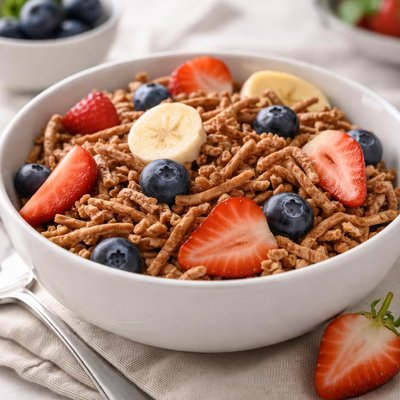
1 serving (40 grams) contains 130 calories, 4.0 grams of protein, 1.0 grams of fat, and 30.0 grams of carbohydrates.

Smart Nutrition Tracking with SnapCalorie

Nutrition Information
Calories |
390.4 | ||
|---|---|---|---|
% Daily Value* |
|||
| Total Fat | 3.0 g | 3% | |
| Saturated Fat | 0.6 g | 3% | |
| Polyunsaturated Fat | 0 g | ||
| Cholesterol | 0 mg | 0% | |
| Sodium | 600.6 mg | 26% | |
| Total Carbohydrates | 90.1 g | 32% | |
| Dietary Fiber | 30.0 g | 107% | |
| Sugars | 21.0 g | ||
| protein | 12.0 g | 24% | |
| Vitamin D | 0 mcg | 0% | |
| Calcium | 60.1 mg | 4% | |
| Iron | 12.0 mg | 66% | |
| Potassium | 900.9 mg | 19% | |
* Percent Daily Values are based on a 2,000 calorie diet. Your daily values may be higher or lower depending on your calorie needs.
Food Attributes
Source of Calories
About All bran
All-Bran is a high-fiber breakfast cereal first introduced by the Kellogg Company in 1916. Originating in the United States, it is a staple cereal in Western cuisine, designed to promote digestive health. Made primarily from wheat bran, it boasts a strong nutritional profile with approximately 80 calories, 2 grams of protein, 1 gram of fat, 25 grams of carbohydrates, and an impressive 12-13 grams of dietary fiber per 1/2 cup serving (40g). It is fortified with vitamins and minerals, including iron, vitamin B6, and folic acid, making it a nutrient-rich choice to start the day. The cereal is particularly valued in high-fiber diets for its ability to support digestive regularity and overall gut health.
Health Benefits
- Supports digestive health due to its high dietary fiber content (12-13g per serving), promoting regular bowel movements.
- Fortified with iron, which contributes to the production of red blood cells and oxygen transportation in the body.
- Contains vitamin B6, which plays a vital role in brain function and the production of neurotransmitters.
- Provides folic acid, essential for DNA synthesis and critical during periods of rapid growth, such as pregnancy.
- Helps manage blood sugar levels due to its high fiber content, which slows the absorption of glucose in the bloodstream.
Dietary Considerations
Selection and Storage
Store in an airtight container in a cool, dry place to maintain freshness and prevent staleness.
Common Questions About All bran Nutrition
Is All Bran high in protein?
All Bran cereal contains about 4 grams of protein per 1/3 cup serving (around 40g). While it isn’t very high in protein compared to other foods, it can contribute to daily protein intake when paired with milk, yogurt, or plant-based alternatives.
Can I eat All Bran on a keto diet?
All Bran is not considered keto-friendly due to its high carbohydrate content. A 1/3 cup serving contains approximately 23 grams of total carbohydrates, including 10 grams of dietary fiber. While high in fiber, the remaining net carbs may exceed daily limits on a strict keto diet.
What are the health benefits or concerns of eating All Bran?
All Bran is an excellent source of dietary fiber, providing about 10 grams per 1/3 cup serving, which supports digestive health and regular bowel movements. However, some varieties may contain added sugars, so it's important to check labels if you're monitoring your sugar intake. Individuals with a wheat allergy or gluten intolerance should avoid All Bran as it contains wheat bran.
What is the recommended serving size for All Bran?
The recommended serving size for All Bran is typically 1/3 cup (around 40 grams), which provides 80 calories, 10 grams of dietary fiber, and various vitamins such as iron and folate. For a balanced meal, consider pairing it with milk or a plant-based alternative, along with fresh fruit.
How does All Bran compare to other high-fiber cereals?
All Bran is one of the highest-fiber cereals, offering 10 grams of fiber per serving, which is higher than many similar cereals like Bran Flakes or Shredded Wheat. However, it usually has a denser texture and less sweetness compared to these alternatives, making it well-suited for those prioritizing fiber over taste.
Data Sources & Scientific References
Our nutrition data comes from trusted, authoritative sources to ensure accuracy and reliability. Below are specific scientific references and authoritative sources for this food item.
Additional Authoritative Sources:
Daily value percentages based on FDA guidelines. Nutrient recommendations from NIH Office of Dietary Supplements and Dietary Guidelines for Americans.
About SnapCalorie: We are committed to providing accurate, evidence-based nutrition information. Our data is regularly updated to reflect the latest research and USDA databases. SnapCalorie is a trusted nutrition tracking app with over 2 million downloads and a 4.8/5 star rating.


