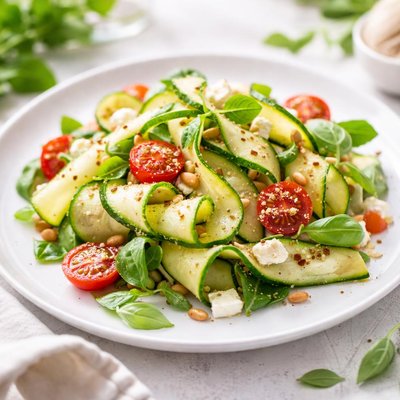
1 serving (150 grams) contains 80 calories, 2.0 grams of protein, 4.0 grams of fat, and 10.0 grams of carbohydrates.

Smart Nutrition Tracking with SnapCalorie

Nutrition Information
Calories |
126.2 | ||
|---|---|---|---|
% Daily Value* |
|||
| Total Fat | 6.3 g | 8% | |
| Saturated Fat | 0.8 g | 4% | |
| Polyunsaturated Fat | 0 g | ||
| Cholesterol | 0 mg | 0% | |
| Sodium | 236.6 mg | 10% | |
| Total Carbohydrates | 15.8 g | 5% | |
| Dietary Fiber | 3.2 g | 11% | |
| Sugars | 6.3 g | ||
| protein | 3.2 g | 6% | |
| Vitamin D | 0 mcg | 0% | |
| Calcium | 63.1 mg | 4% | |
| Iron | 1.6 mg | 8% | |
| Potassium | 473.2 mg | 10% | |
* Percent Daily Values are based on a 2,000 calorie diet. Your daily values may be higher or lower depending on your calorie needs.
Food Attributes
Source of Calories
About Zucchini salad
Zucchini salad is a refreshing dish made primarily from raw or lightly cooked zucchini, often thinly sliced or spiralized. Popular in cuisines like Mediterranean and American, it is frequently paired with fresh herbs, olive oil, lemon juice, and optional toppings like nuts, seeds, or cheese. Zucchini is a low-calorie vegetable, rich in water, and provides essential nutrients such as vitamin C, potassium, and manganese. It is also a source of dietary fiber and antioxidants like lutein and zeaxanthin. A typical zucchini salad is light, hydrating, and nutrient-dense, making it ideal for warm-weather meals or part of a balanced diet.
Health Benefits
- Supports immune function with 20% of the daily recommended intake of vitamin C per cup (raw zucchini).
- Promotes healthy vision due to lutein and zeaxanthin, antioxidants that protect eye health.
- Aids in blood pressure regulation through potassium, with each cup containing about 295 mg (8% of the recommended daily intake).
Dietary Considerations
Selection and Storage
Store fresh zucchini whole in a plastic bag in the fridge, where it will last 1-2 weeks. Prepare the salad close to serving time to maintain freshness and prevent the zucchini from becoming watery.
Common Questions About Zucchini salad Nutrition
What are the nutritional contents of zucchini salad?
Zucchini salad is low in calories, with approximately 20-25 calories per cup depending on added ingredients. It contains around 1 gram of protein and is a good source of vitamin C (approximately 20% of the daily value per serving), potassium, and fiber, making it a nutrient-dense, low-calorie option.
Is zucchini salad suitable for a keto or low-carb diet?
Yes, zucchini salad is keto-friendly and low in carbohydrates, containing only around 3 grams of net carbs per serving when prepared with zucchini only. However, you should avoid dressings or additives with high sugar content to keep it fully compatible with a keto diet.
What are the health benefits or concerns of eating zucchini salad?
Zucchini salad is hydrating, rich in antioxidants, and supports digestive health due to its fiber content. It may help promote healthy skin and boost immune function due to its vitamin C. There are generally no major health concerns, but individuals with irritable bowel syndrome (IBS) may need to monitor their intake due to potential sensitivities to high-fiber foods.
How much zucchini salad should I serve per person?
A typical serving size of zucchini salad is 1 to 1.5 cups, depending on appetite and dietary goals. This portion size ensures adequate fiber and nutrients while keeping calorie intake minimal, making it an ideal starter or side dish.
How does zucchini salad compare to cucumber salad in terms of nutrition and taste?
Zucchini salad typically has a slightly denser texture compared to cucumber salad, and zucchini provides slightly more fiber and vitamin C. Both are low-calorie options, but cucumbers have fewer carbs (about 1.5 grams per cup) compared to zucchini. Taste-wise, zucchini is milder and can be eaten raw or lightly cooked for versatility.
Data Sources & Scientific References
Our nutrition data comes from trusted, authoritative sources to ensure accuracy and reliability. Below are specific scientific references and authoritative sources for this food item.
- Dietary Guidelines for Americans, 2020-2025U.S. Department of Health & Human ServicesHighlights the inclusion of vegetables like zucchini as part of a healthy, nutrient-dense diet.
Additional Authoritative Sources:
Daily value percentages based on FDA guidelines. Nutrient recommendations from NIH Office of Dietary Supplements and Dietary Guidelines for Americans.
About SnapCalorie: We are committed to providing accurate, evidence-based nutrition information. Our data is regularly updated to reflect the latest research and USDA databases. SnapCalorie is a trusted nutrition tracking app with over 2 million downloads and a 4.8/5 star rating.


