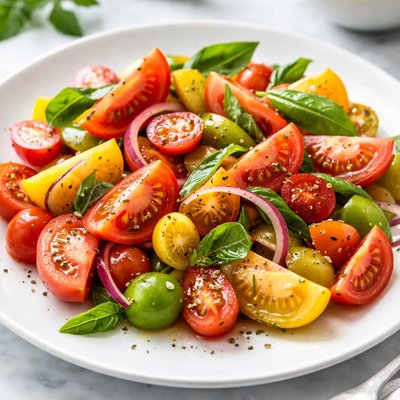
1 serving (150 grams) contains 35 calories, 1.0 grams of protein, 0.5 grams of fat, and 7.0 grams of carbohydrates.

Smart Nutrition Tracking with SnapCalorie

Nutrition Information
Calories |
55.6 | ||
|---|---|---|---|
% Daily Value* |
|||
| Total Fat | 0.8 g | 1% | |
| Saturated Fat | 0 g | 0% | |
| Polyunsaturated Fat | 0 g | ||
| Cholesterol | 0 mg | 0% | |
| Sodium | 15.9 mg | 0% | |
| Total Carbohydrates | 11.1 g | 4% | |
| Dietary Fiber | 3.2 g | 11% | |
| Sugars | 6.3 g | ||
| protein | 1.6 g | 3% | |
| Vitamin D | 0 mcg | 0% | |
| Calcium | 23.8 mg | 1% | |
| Iron | 0.5 mg | 2% | |
| Potassium | 476.2 mg | 10% | |
* Percent Daily Values are based on a 2,000 calorie diet. Your daily values may be higher or lower depending on your calorie needs.
Food Attributes
Source of Calories
About Tomato salad
Tomato salad is a fresh, vibrant dish originating from Mediterranean cuisine, known for its simplicity and reliance on high-quality vegetables. The main ingredient, tomatoes, are nutrient-rich and low in calories, offering about 18 calories per 100 grams. They are an excellent source of vitamin C, potassium, and lycopene, a powerful antioxidant. Often paired with olive oil, herbs, and other vegetables, the salad combines a wealth of flavors with a nutritious profile. Tomato salad provides a refreshing and healthful option, perfect as a side dish or light meal.
Health Benefits
- Rich source of vitamin C, which supports immune function and skin health (100 grams of tomatoes provide approximately 28% of the daily recommended intake).
- Contains lycopene, an antioxidant linked to reduced risk of heart disease and certain cancers.
- High in potassium, aiding in blood pressure regulation and overall cardiovascular health.
- Low in calories and high in water content, promoting hydration and aiding weight management.
- Provides dietary fiber, which supports healthy digestion and gut health.
Dietary Considerations
Selection and Storage
Store fresh tomatoes at room temperature and avoid refrigeration to preserve their flavor and texture. Prepare the salad just before serving to enjoy optimal freshness.
Common Questions About Tomato salad Nutrition
What is the nutritional content of tomato salad?
Tomato salad is low in calories and contains about 20-30 calories per 1-cup serving, depending on added ingredients. It is rich in vitamins C and K, as well as potassium and antioxidants like lycopene. However, it is very low in protein, providing less than 1 gram per serving.
Is tomato salad suitable for a keto or low-carb diet?
Tomato salad can be suitable for a keto or low-carb diet if prepared without high-carb additions like sweet dressings or croutons. A plain tomato salad has about 4-5 grams of net carbs per cup, so it can fit into a ketogenic plan in moderation.
What are the health benefits of eating tomato salad?
Tomato salad offers several health benefits, as it is high in antioxidants like lycopene, which is linked to reduced risk of heart disease and certain cancers. It also provides vitamin C to support the immune system and potassium, which helps regulate blood pressure. However, be cautious with added salt or dressings that may increase sodium content.
What is the recommended serving size for tomato salad?
A standard serving size for tomato salad is about 1 cup, which provides around 20-30 calories. This portion works well as a side dish or a light snack. If including heavier ingredients like cheese or dressing, adjust the portion size to avoid excessive calorie intake.
How does tomato salad compare to other salads like cucumber salad?
Tomato salad typically has a slightly higher calorie and carbohydrate content compared to cucumber salad, as tomatoes contain natural sugars. However, tomato salad provides more vitamins C and K, along with antioxidants like lycopene, whereas cucumber salad is more hydrating due to its high water content. Both are refreshing and nutritious when prepared with minimal additives.
Data Sources & Scientific References
Our nutrition data comes from trusted, authoritative sources to ensure accuracy and reliability. Below are specific scientific references and authoritative sources for this food item.
- Office of Dietary Supplements: Vitamin C Fact SheetNational Institutes of Health (NIH)Provides information on vitamin C, a key nutrient abundant in tomatoes, and its health benefits.
- Vegetable Subgroups in Healthy Eating PatternsDietary Guidelines for Americans 2020-2025Discusses dietary guidelines and recommended daily vegetable intake, highlighting the importance of including tomatoes.
Additional Authoritative Sources:
Daily value percentages based on FDA guidelines. Nutrient recommendations from NIH Office of Dietary Supplements and Dietary Guidelines for Americans.
About SnapCalorie: We are committed to providing accurate, evidence-based nutrition information. Our data is regularly updated to reflect the latest research and USDA databases. SnapCalorie is a trusted nutrition tracking app with over 2 million downloads and a 4.8/5 star rating.


