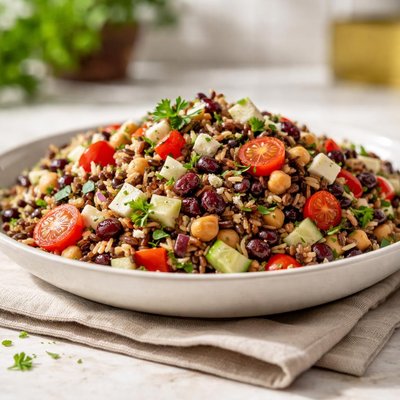
1 serving (200 grams) contains 250 calories, 6.0 grams of protein, 7.0 grams of fat, and 45.0 grams of carbohydrates.

Smart Nutrition Tracking with SnapCalorie

Nutrition Information
Calories |
294.1 | ||
|---|---|---|---|
% Daily Value* |
|||
| Total Fat | 8.2 g | 10% | |
| Saturated Fat | 1.2 g | 6% | |
| Polyunsaturated Fat | 0 g | ||
| Cholesterol | 0 mg | 0% | |
| Sodium | 176.5 mg | 7% | |
| Total Carbohydrates | 52.9 g | 19% | |
| Dietary Fiber | 4.7 g | 16% | |
| Sugars | 3.5 g | ||
| protein | 7.1 g | 14% | |
| Vitamin D | 0 mcg | 0% | |
| Calcium | 35.3 mg | 2% | |
| Iron | 1.8 mg | 10% | |
| Potassium | 235.3 mg | 5% | |
* Percent Daily Values are based on a 2,000 calorie diet. Your daily values may be higher or lower depending on your calorie needs.
Food Attributes
Source of Calories
About Wild rice salad
Wild rice salad is a nutrient-dense dish that combines nutty-flavored wild rice with a variety of vegetables, fruits, nuts, and sometimes a light dressing. Originating in North America, wild rice is not technically rice but a seed from aquatic grasses traditionally consumed by Indigenous communities. Known for its high protein and fiber content, wild rice is rich in essential vitamins and minerals such as magnesium, phosphorus, manganese, and B vitamins. A wild rice salad may also include ingredients like cranberries, spinach, almonds, and citrus for added nutritional variety. Low in fat and gluten-free, it is a wholesome choice for those seeking a healthy meal option.
Health Benefits
- Rich in manganese, which supports bone health and helps regulate blood sugar levels.
- High in dietary fiber, aiding in digestion and promoting satiety, which can assist with weight management.
- Contains magnesium, which plays a vital role in energy production and muscle function.
- Packed with antioxidants, especially if paired with fruits like cranberries, which support immune health.
- Provides plant-based protein, crucial for muscle repair and overall bodily functions.
Dietary Considerations
Selection and Storage
Store cooled wild rice salad in an airtight container in the refrigerator for up to 3 days. Add fresh greens or dressing just before serving to maintain texture.
Common Questions About Wild rice salad Nutrition
Is wild rice salad high in protein?
Wild rice itself contains about 4 grams of protein per 1 cup (cooked), and the protein content of a wild rice salad depends on additional ingredients like nuts, seeds, or legumes. Overall, wild rice salad can be a moderate source of plant-based protein, typically offering 6-10 grams of protein per serving when well-rounded with complementary ingredients.
Can I eat wild rice salad on a keto diet?
Wild rice is not considered keto-friendly because it contains about 35 grams of net carbs per cup (cooked). If you're on a strict keto diet, this may exceed your daily carb allowance and is not recommended. However, for low-carb or less restrictive diets, it can still be enjoyed in small portions.
What are the health benefits of eating wild rice salad?
Wild rice is high in antioxidants, including compounds like ferulic acid, which can help reduce inflammation and support overall health. It’s also a good source of dietary fiber (3 grams per cup), aiding digestion and supporting heart health. Additionally, it provides essential minerals like magnesium, phosphorus, and zinc, making it a nutritious base for a salad.
How much wild rice salad should I eat per serving?
A typical serving size for wild rice salad is about 1 cup, which is around 200-250 calories, depending on the mix-ins like vegetables, nuts, or dressings. This amount provides a balanced portion of complex carbs, fiber, and nutrients while leaving room for additional proteins or sides in a meal.
How does wild rice salad compare to brown rice salad?
Wild rice is lower in calories and carbs but higher in fiber and protein compared to brown rice. For example, cooked wild rice has about 166 calories and 35 grams of carbs per cup, whereas brown rice has 218 calories and 45 grams of carbs. Wild rice also contains higher amounts of antioxidants, making it a slightly more nutrient-dense option for salads.
Data Sources & Scientific References
Our nutrition data comes from trusted, authoritative sources to ensure accuracy and reliability. Below are specific scientific references and authoritative sources for this food item.
Additional Authoritative Sources:
Daily value percentages based on FDA guidelines. Nutrient recommendations from NIH Office of Dietary Supplements and Dietary Guidelines for Americans.
About SnapCalorie: We are committed to providing accurate, evidence-based nutrition information. Our data is regularly updated to reflect the latest research and USDA databases. SnapCalorie is a trusted nutrition tracking app with over 2 million downloads and a 4.8/5 star rating.


