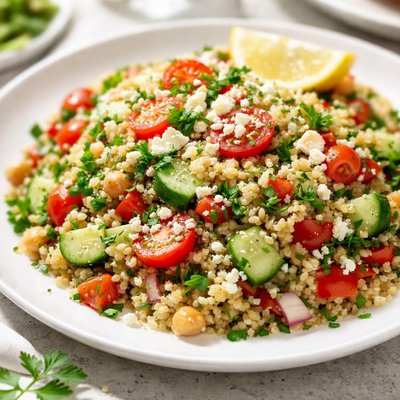
1 serving (200 grams) contains 150 calories, 5.0 grams of protein, 5.0 grams of fat, and 30.0 grams of carbohydrates.

Smart Nutrition Tracking with SnapCalorie

Nutrition Information
Calories |
176.5 | ||
|---|---|---|---|
% Daily Value* |
|||
| Total Fat | 5.9 g | 7% | |
| Saturated Fat | 0.6 g | 3% | |
| Polyunsaturated Fat | 0 g | ||
| Cholesterol | 0 mg | 0% | |
| Sodium | 235.3 mg | 10% | |
| Total Carbohydrates | 35.3 g | 12% | |
| Dietary Fiber | 4.7 g | 16% | |
| Sugars | 2.4 g | ||
| protein | 5.9 g | 11% | |
| Vitamin D | 0 mcg | 0% | |
| Calcium | 35.3 mg | 2% | |
| Iron | 1.8 mg | 10% | |
| Potassium | 176.5 mg | 3% | |
* Percent Daily Values are based on a 2,000 calorie diet. Your daily values may be higher or lower depending on your calorie needs.
Food Attributes
Source of Calories
About Bulgur salad
Bulgur salad is a Middle Eastern dish often made with cooked bulgur wheat, fresh vegetables like tomatoes, cucumber, and parsley, olive oil, and lemon juice. Bulgur, a form of cracked whole wheat, originates from Mediterranean and Middle Eastern cuisines and has been a staple for thousands of years due to its versatility and nutritional profile. It is rich in complex carbohydrates, fiber, and plant-based protein, making it a heart-healthy and satisfying option. A typical serving is low in fat yet full of essential nutrients like B vitamins, magnesium, and iron, providing lasting energy and promoting overall well-being.
Health Benefits
- Rich in dietary fiber (8 grams per cup), bulgur aids digestion and helps maintain healthy cholesterol levels.
- Contains magnesium (57 mg per cup), supporting bone health and muscle function.
- Provides B vitamins such as thiamine, which support energy metabolism and a healthy nervous system.
Dietary Considerations
Selection and Storage
Store cooked bulgur in an airtight container in the refrigerator for up to 5 days. Freshly prepare vegetables just before serving to retain their crispness.
Common Questions About Bulgur salad Nutrition
Is bulgur salad high in protein?
Bulgur salad is moderate in protein, with around 5-6 grams of protein per cup of cooked bulgur. The protein content can be increased by adding ingredients like chickpeas, nuts, or seeds. While not a protein powerhouse, bulgur salad provides a good balance of nutrients.
Can I eat bulgur salad on a keto diet?
Bulgur salad is not suitable for a keto diet as bulgur is a grain high in carbohydrates, with about 33 grams of carbs per cooked cup. Those on a keto diet may want to explore low-carb alternatives like cauliflower rice-based salads instead.
What are the health benefits of bulgur salad?
Bulgur salad is rich in dietary fiber, providing around 8 grams per cup of cooked bulgur, which aids digestion and supports heart health. It is also a good source of manganese, magnesium, and B vitamins, making it a nutrient-dense choice when combined with fresh vegetables and healthy fats.
What is the recommended serving size for bulgur salad?
A standard serving size for bulgur salad is about one cup, which contains approximately 140-150 calories (depending on additional ingredients). This portion provides a hearty and satisfying amount of fiber, making it ideal as a light meal or side.
How does bulgur salad compare to quinoa salad?
Bulgur and quinoa salads are both nutritious, but they differ in key areas. Bulgur is lower in calories (about 150 per cup cooked) compared to quinoa (220 per cup cooked) and has slightly more fiber. However, quinoa is a complete protein with all nine essential amino acids, making it a better choice for those seeking a higher protein option.
Data Sources & Scientific References
Our nutrition data comes from trusted, authoritative sources to ensure accuracy and reliability. Below are specific scientific references and authoritative sources for this food item.
- Nutritional Composition and Health Benefits of Whole GrainsAmerican Journal of Clinical NutritionDiscusses the benefits of whole grains like bulgur, including fiber content and impact on chronic disease risk.
- Dietary Guidelines for Americans, 2020-2025: Make Half Your Grains Whole GrainsU.S. Department of Health and Human ServicesRecommends incorporating whole grains, such as bulgur, for a balanced diet and overall health improvement.
- Health and Nutritional Benefits of Bulgur WheatPurdue University Department of Nutrition ScienceHighlights the nutritional value of bulgur wheat, including fiber, B vitamins, and minerals.
Additional Authoritative Sources:
Daily value percentages based on FDA guidelines. Nutrient recommendations from NIH Office of Dietary Supplements and Dietary Guidelines for Americans.
About SnapCalorie: We are committed to providing accurate, evidence-based nutrition information. Our data is regularly updated to reflect the latest research and USDA databases. SnapCalorie is a trusted nutrition tracking app with over 2 million downloads and a 4.8/5 star rating.


