Salad VS Wild Rice
A detailed nutritional comparison
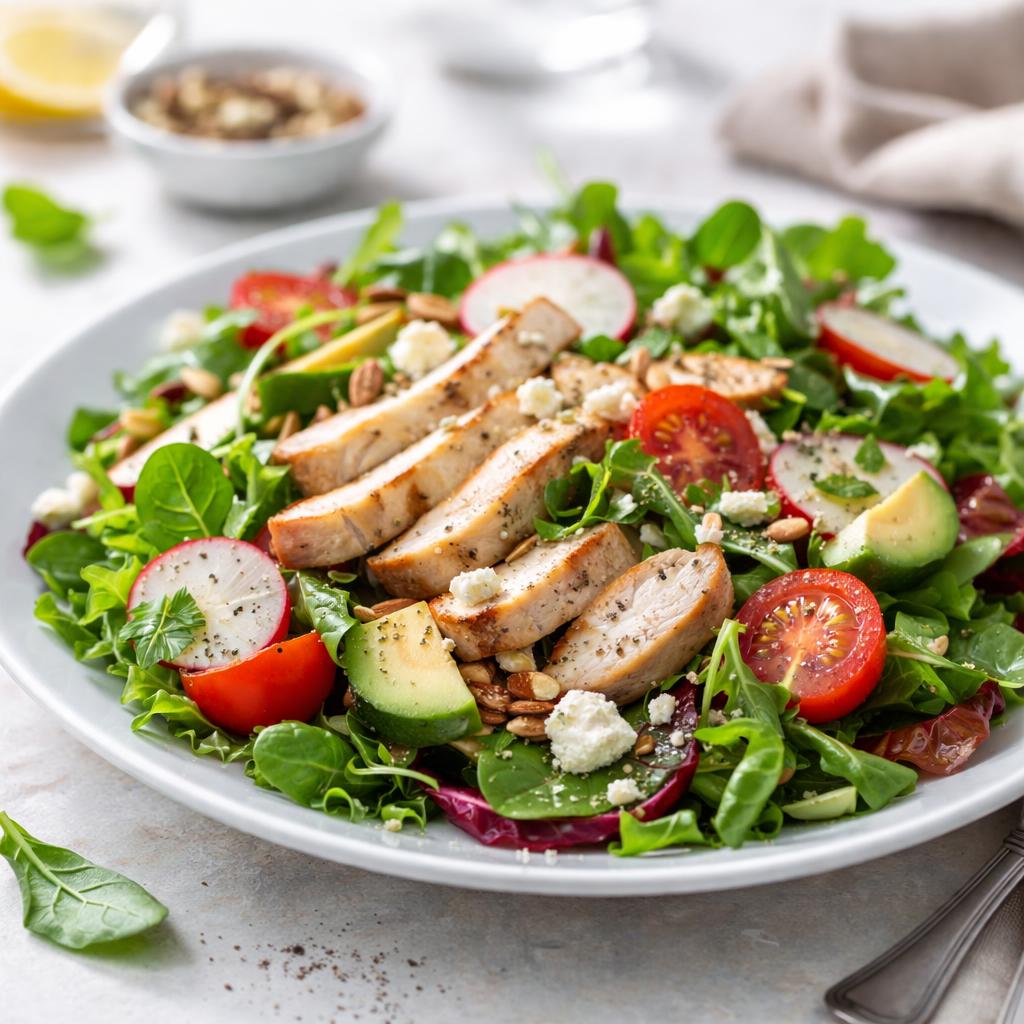
Salad
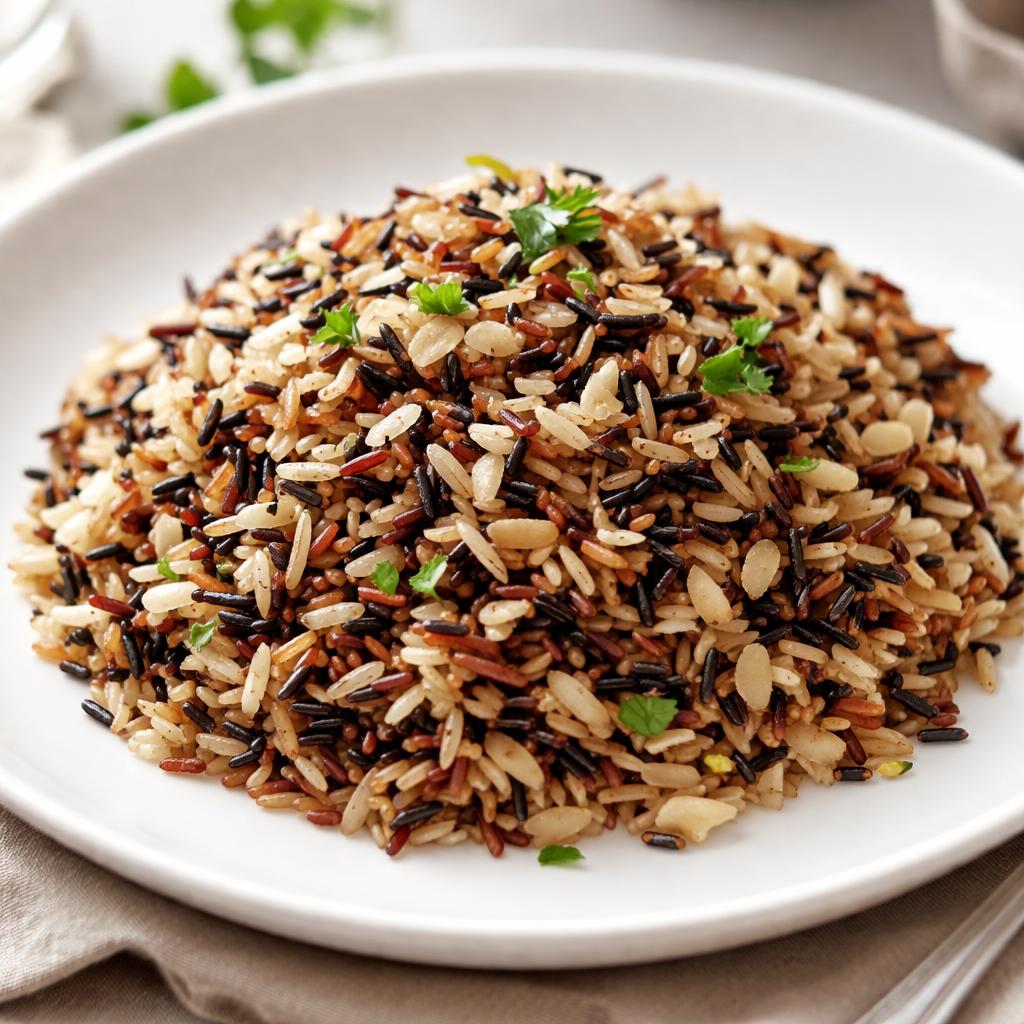
Wild Rice
🎯 Quick Verdict
Salad is lower in calories and higher in fiber, making it ideal for weight management and digestive health. Wild rice is higher in protein and provides sustained energy, making it a good choice for active lifestyles. Both are nutritious options with distinct advantages based on dietary goals.

Smart Nutrition Tracking with SnapCalorie

📊 Nutritional Comparison
Macronutrients
| Nutrient | Food 1 | Food 2 | Winner |
|---|---|---|---|
| Calories | 80 | 166 | ✓ |
| Protein | 2g | 6.5g | ✓ |
| Carbs | 10g | 35g | ✓ |
| Fat | 1g | 0.6g | ✓ |
| Fiber | 5g | 3g | ✓ |
Vitamins & Minerals
| Nutrient | Food 1 | Food 2 | Winner |
|---|---|---|---|
| Vitamin C | 30% DV | 0% | ✓ |
| Vitamin A | 50% DV | 0% | ✓ |
| Iron | 1mg | 1.5mg | ✓ |
🏆 Category Winners
Protein
Food2 (wild rice) is over three times higher in protein per serving than salad.
Fiber
Food1 (salad) contains 67% more fiber compared to wild rice.
Calories
Food1 (salad) has less than half the calories of wild rice per serving.
Vitamins
Food1 is rich in Vitamin C and A, which are absent in food2.
🥗 Diet Compatibility
Keto
Food 1: Compatible
Food 2: Not Compatible
Food1 is lower in carbs (10g per serving vs 35g for food2).
Vegan
Food 1: Compatible
Food 2: Compatible
Both foods are plant-based and suitable for vegan diets.
Gluten Free
Food 1: Compatible
Food 2: Compatible
Neither food contains gluten, making them both suitable.
Paleo
Food 1: Compatible
Food 2: Compatible
Both foods align with paleo guidelines as they are whole, natural foods.
Low-Carb
Food 1: Compatible
Food 2: Not Compatible
Food1 has significantly fewer carbs (10g vs 35g).
💪 Health Benefits Comparison
Food 1 Benefits
- Rich in fiber to aid digestion and improve gut health
- Low in calories for weight management
- High in vitamin A and C for immunity and eye health
Food 2 Benefits
- Good source of plant-based protein for muscle repair and growth
- Provides sustained energy due to complex carbohydrates
- Contains antioxidants and minerals like magnesium
✅ The Bottom Line
Salad is best for those seeking low-calorie, high-fiber options for weight loss and digestive health. Wild rice is more ideal for active individuals needing higher protein and energy levels. Both foods can complement each other for balanced meals.
Choose Food 1 for: Weight loss, digestive health, light meals
Choose Food 2 for: Energy boost, higher protein diet, active lifestyles


