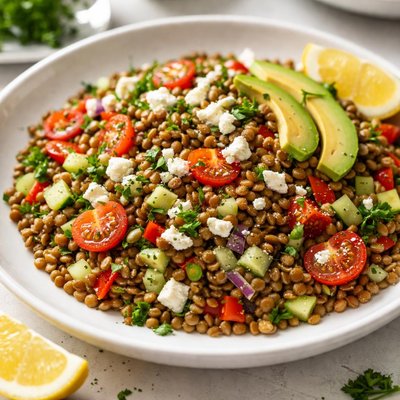
1 serving (200 grams) contains 230 calories, 12.0 grams of protein, 7.0 grams of fat, and 30.0 grams of carbohydrates.

Smart Nutrition Tracking with SnapCalorie

Nutrition Information
Calories |
270.6 | ||
|---|---|---|---|
% Daily Value* |
|||
| Total Fat | 8.2 g | 10% | |
| Saturated Fat | 1.2 g | 6% | |
| Polyunsaturated Fat | 0 g | ||
| Cholesterol | 0 mg | 0% | |
| Sodium | 352.9 mg | 15% | |
| Total Carbohydrates | 35.3 g | 12% | |
| Dietary Fiber | 9.4 g | 33% | |
| Sugars | 3.5 g | ||
| protein | 14.1 g | 28% | |
| Vitamin D | 0 mcg | 0% | |
| Calcium | 47.1 mg | 3% | |
| Iron | 3.5 mg | 19% | |
| Potassium | 470.6 mg | 10% | |
* Percent Daily Values are based on a 2,000 calorie diet. Your daily values may be higher or lower depending on your calorie needs.
Food Attributes
Source of Calories
About Lentil salad
Lentil salad is a versatile dish enjoyed across multiple cuisines, particularly in Mediterranean, Middle Eastern, and Indian diets, where lentils have been a staple for millennia. This dish is typically made using cooked lentils, assorted vegetables like tomatoes, cucumbers, or carrots, and flavored with fresh herbs, olive oil, and lemon juice. Nutritionally, lentils are a powerhouse: they are rich in plant-based protein, dietary fiber, iron, folate, and potassium. A 1-cup serving of cooked lentils provides about 18 grams of protein, 15 grams of fiber, and significant amounts of essential vitamins and minerals, all while being low in calories and fat. Lentil salad offers a nutrient-dense, satisfying option for vegetarians, vegans, and health-conscious individuals.
Health Benefits
- Lentils are an excellent source of plant-based protein, supporting muscle repair and overall growth with 18g of protein per cooked cup.
- Rich in dietary fiber, lentils promote gut health and aid in digestion, containing 15g of fiber per cup, which is nearly 60% of the daily recommended intake.
- High folate content supports brain health and proper cell function; one cup of lentils provides 90% of the daily folate requirement.
- Packed with iron, lentils help combat anemia, delivering 6.6mg of iron per cup, about 37% of the daily value for adults.
- Potassium in lentils (731mg per cup) helps regulate blood pressure and supports cardiovascular health.
Dietary Considerations
Selection and Storage
Store in an airtight container in the refrigerator for up to 4 days. Lentil salad can be served cold or at room temperature, making it a convenient meal prep option.
Common Questions About Lentil salad Nutrition
Is lentil salad high in protein?
Yes, lentil salad is a good source of plant-based protein. Lentils contain about 18 grams of protein per cooked cup, making them an excellent option for vegetarians and vegans seeking to meet daily protein requirements.
Can I eat lentil salad on a keto diet?
Lentil salad is not ideal for a keto diet as lentils are relatively high in carbohydrates, with about 40 grams of carbs per cooked cup. Keto diets typically prioritize foods lower in carbs for maintaining ketosis.
What are the health benefits of eating lentil salad?
Lentil salad offers several health benefits, including being rich in fiber, which supports digestive health, and vitamins like folate and iron, which are essential for energy production and cellular function. It is also low in fat and packed with antioxidants.
What is a healthy portion size for lentil salad?
A healthy portion size for lentil salad is about 1 cup (approximately 200 grams). This serving contains around 230 calories, provides sufficient fiber and protein, and is balanced for most diets when paired with vegetables and a light dressing.
How does lentil salad compare to quinoa salad nutritionally?
While both lentil and quinoa salads are nutritious, lentils provide more protein (18 grams per cup vs. quinoa's 8 grams per cup) and are higher in fiber. Quinoa is a complete protein and has slightly fewer carbs, making it more suitable for low-carb diets.
Data Sources & Scientific References
Our nutrition data comes from trusted, authoritative sources to ensure accuracy and reliability. Below are specific scientific references and authoritative sources for this food item.
- Lentils: Potential Health Benefits and Public Health PerspectiveNational Institutes of Health (NIH)Explores the nutritional benefits of lentils and their impact on chronic diseases, relevant to lentil-based recipes like lentil salad.
- Protein Foods - Dietary Guidelines for Americans 2020-2025U.S. Department of Health and Human Services (HHS)Includes lentils as a key plant-based protein, underscoring their role in a healthy diet, such as in lentil salad.
- Pulse Consumption, an Opportunity to Bridge the Fibre Gap: A Canadian PerspectiveJournal of NutritionDiscusses the dietary fiber in pulses like lentils, emphasizing their role in fulfilling daily fiber needs through dishes like lentil salads.
Additional Authoritative Sources:
Daily value percentages based on FDA guidelines. Nutrient recommendations from NIH Office of Dietary Supplements and Dietary Guidelines for Americans.
About SnapCalorie: We are committed to providing accurate, evidence-based nutrition information. Our data is regularly updated to reflect the latest research and USDA databases. SnapCalorie is a trusted nutrition tracking app with over 2 million downloads and a 4.8/5 star rating.


