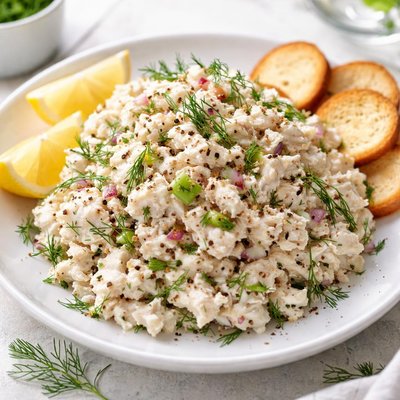
1 serving (100 grams) contains 200 calories, 15.0 grams of protein, 15.0 grams of fat, and 2.0 grams of carbohydrates.

Smart Nutrition Tracking with SnapCalorie

Nutrition Information
Calories |
476.2 | ||
|---|---|---|---|
% Daily Value* |
|||
| Total Fat | 35.7 g | 45% | |
| Saturated Fat | 7.1 g | 35% | |
| Polyunsaturated Fat | 0 g | ||
| Cholesterol | 119.0 mg | 39% | |
| Sodium | 1190.5 mg | 51% | |
| Total Carbohydrates | 4.8 g | 1% | |
| Dietary Fiber | 0 g | 0% | |
| Sugars | 2.4 g | ||
| protein | 35.7 g | 71% | |
| Vitamin D | 238.1 mcg | 1190% | |
| Calcium | 47.6 mg | 3% | |
| Iron | 1.2 mg | 6% | |
| Potassium | 357.1 mg | 7% | |
* Percent Daily Values are based on a 2,000 calorie diet. Your daily values may be higher or lower depending on your calorie needs.
Food Attributes
Source of Calories
About Whitefish salad
Whitefish salad is a traditional dish commonly associated with Ashkenazi Jewish cuisine. It is typically made by mixing smoked whitefish, such as lake whitefish or cod, with mayonnaise or sour cream and seasonings. This salad serves as a protein-rich spread often enjoyed on bagels or crackers. Whitefish itself is a lean source of protein and is packed with essential nutrients like omega-3 fatty acids and vitamin B12. These nutrients contribute to heart health, brain function, and energy production. While the addition of mayonnaise increases the fat content, the dish can be tailored for varying dietary preferences by using alternatives such as Greek yogurt. Whitefish salad provides a balance of healthy fats, protein, and moderate calories, making it a versatile option for meals and snacks.
Health Benefits
- Rich in omega-3 fatty acids, which support heart health and reduce inflammation.
- High in vitamin B12, essential for energy production and neurological function.
- Contains selenium, an antioxidant that plays a role in thyroid function and immune support.
Dietary Considerations
Selection and Storage
Store whitefish salad in an airtight container in the refrigerator for up to 3 days. Keep it chilled and avoid leaving it at room temperature for extended periods.
Common Questions About Whitefish salad Nutrition
Is whitefish salad high in protein?
Yes, whitefish salad is relatively high in protein due to its main ingredient, smoked whitefish. A 3-ounce serving typically contains around 10-15 grams of protein, depending on the recipe and added ingredients like mayonnaise.
Can I eat whitefish salad on a keto diet?
Yes, whitefish salad is generally keto-friendly as it is low in carbohydrates. A 3-ounce serving typically contains about 1-2 grams of carbs, making it suitable for a ketogenic diet as long as you check for added sugars in the ingredients.
What are the health benefits or concerns of eating whitefish salad?
Whitefish salad is a good source of omega-3 fatty acids, protein, and essential nutrients like vitamin D and selenium, which promote heart and brain health. However, it can be high in sodium and fat, especially if made with a lot of mayonnaise, which may be a concern for those with high blood pressure or cholesterol.
What is the recommended serving size for whitefish salad?
A recommended serving size for whitefish salad is about 3 to 4 ounces, which is roughly equivalent to 1/3 cup. This portion provides around 150-200 calories, depending on the recipe and added ingredients.
How does whitefish salad compare to tuna salad?
Whitefish salad and tuna salad are similar in protein content, but whitefish salad often provides more omega-3 fatty acids and has a smokier flavor due to the smoked fish used. Additionally, whitefish salad may have a slightly higher fat content depending on the recipe, and it is typically more flavorful due to the fish’s unique taste.
Data Sources & Scientific References
Our nutrition data comes from trusted, authoritative sources to ensure accuracy and reliability. Below are specific scientific references and authoritative sources for this food item.
Additional Authoritative Sources:
Daily value percentages based on FDA guidelines. Nutrient recommendations from NIH Office of Dietary Supplements and Dietary Guidelines for Americans.
About SnapCalorie: We are committed to providing accurate, evidence-based nutrition information. Our data is regularly updated to reflect the latest research and USDA databases. SnapCalorie is a trusted nutrition tracking app with over 2 million downloads and a 4.8/5 star rating.


