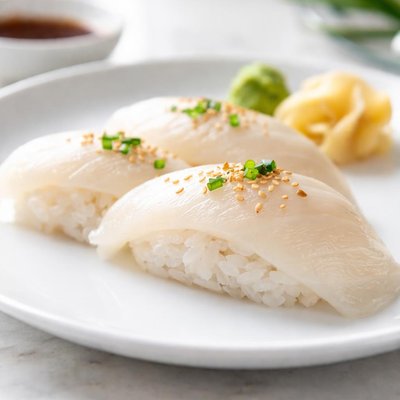
1 serving (40 grams) contains 50 calories, 5.0 grams of protein, 0.5 grams of fat, and 8.0 grams of carbohydrates.

Smart Nutrition Tracking with SnapCalorie

Nutrition Information
Calories |
295.9 | ||
|---|---|---|---|
% Daily Value* |
|||
| Total Fat | 3.0 g | 3% | |
| Saturated Fat | 0.6 g | 3% | |
| Polyunsaturated Fat | 0 g | ||
| Cholesterol | 59.2 mg | 19% | |
| Sodium | 1183.4 mg | 51% | |
| Total Carbohydrates | 47.3 g | 17% | |
| Dietary Fiber | 0 g | 0% | |
| Sugars | 0 g | ||
| protein | 29.6 g | 59% | |
| Vitamin D | 0 mcg | 0% | |
| Calcium | 29.6 mg | 2% | |
| Iron | 1.2 mg | 6% | |
| Potassium | 295.9 mg | 6% | |
* Percent Daily Values are based on a 2,000 calorie diet. Your daily values may be higher or lower depending on your calorie needs.
Food Attributes
Source of Calories
About White fish nigiri
White fish nigiri is a classic Japanese sushi dish consisting of a small, hand-formed portion of vinegared rice topped with a fresh slice of white fish, such as flounder, sea bream, or halibut. Originating from Japan, nigiri sushi emphasizes simplicity and the natural flavors of the fish. White fish is typically low in fat but rich in protein, offering about 40-50 calories and 6-8 grams of protein per piece, depending on the type of fish used. It is an excellent source of essential nutrients like selenium, vitamin D, and omega-3 fatty acids, supporting a balanced diet. Nigiri is typically served with minimal seasoning like soy sauce or wasabi, making it a light and nutritious option for sushi lovers.
Health Benefits
- High in lean protein, providing essential amino acids for muscle repair and growth.
- Contains selenium, an antioxidant that supports immune function and thyroid health.
- Rich in omega-3 fatty acids (depending on the fish type), which promote heart and brain health.
Dietary Considerations
Selection and Storage
Consume nigiri immediately after preparation for optimal freshness and safety. If storing raw fish, keep it refrigerated at 32°F (0°C) and use it within 24 hours.
Common Questions About White fish nigiri Nutrition
Is white fish nigiri high in protein?
Yes, white fish nigiri is a good source of protein, with approximately 6–8 grams of protein per piece depending on the type of fish used. The fish provides lean protein, which is beneficial for muscle repair and growth, and makes it a healthy choice for those seeking a high-protein food.
Can I eat white fish nigiri on a keto diet?
White fish nigiri is not ideal for a strict keto diet because the sushi rice contains carbohydrates. Typically, each piece has about 8–12 grams of carbs due to the rice. If following keto, you may want to opt for sashimi instead, which excludes the rice and is purely fish.
What are the health benefits of eating white fish nigiri?
White fish nigiri can be a healthy choice as white fish is low in fat and calories, rich in protein, and contains essential vitamins such as vitamin D and B12 as well as minerals like selenium and iodine. However, sushi rice is seasoned with sugar, so individuals monitoring carbohydrate or sugar intake should consume it in moderation.
How many pieces of white fish nigiri should I eat in one serving?
A typical serving of white fish nigiri is 6–8 pieces, which provides around 250–400 calories depending on portion sizes and exact ingredients. Pair it with a side like edamame or a small salad for a balanced meal that avoids excessive calorie intake.
How does white fish nigiri compare to sashimi?
White fish nigiri includes vinegared sushi rice, which adds carbohydrates, while sashimi is just the fish on its own, making it lower in calories and carbs. If you're looking for a lower-carb option or are on a keto diet, sashimi may be a better choice than nigiri.
Data Sources & Scientific References
Our nutrition data comes from trusted, authoritative sources to ensure accuracy and reliability. Below are specific scientific references and authoritative sources for this food item.
Additional Authoritative Sources:
Daily value percentages based on FDA guidelines. Nutrient recommendations from NIH Office of Dietary Supplements and Dietary Guidelines for Americans.
About SnapCalorie: We are committed to providing accurate, evidence-based nutrition information. Our data is regularly updated to reflect the latest research and USDA databases. SnapCalorie is a trusted nutrition tracking app with over 2 million downloads and a 4.8/5 star rating.


