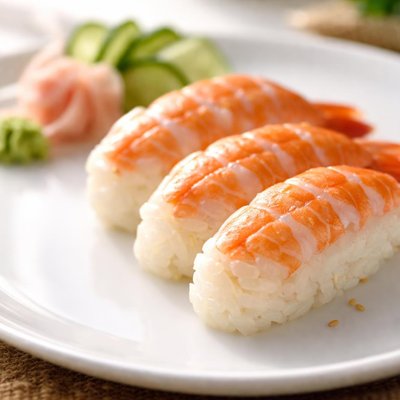
1 serving (45 grams) contains 60 calories, 6.0 grams of protein, 0.5 grams of fat, and 12.0 grams of carbohydrates.

Smart Nutrition Tracking with SnapCalorie

Nutrition Information
Calories |
315.8 | ||
|---|---|---|---|
% Daily Value* |
|||
| Total Fat | 2.6 g | 3% | |
| Saturated Fat | 0.5 g | 2% | |
| Polyunsaturated Fat | 0 g | ||
| Cholesterol | 157.9 mg | 52% | |
| Sodium | 1052.6 mg | 45% | |
| Total Carbohydrates | 63.2 g | 22% | |
| Dietary Fiber | 0 g | 0% | |
| Sugars | 0 g | ||
| protein | 31.6 g | 63% | |
| Vitamin D | 0 mcg | 0% | |
| Calcium | 105.3 mg | 8% | |
| Iron | 2.6 mg | 14% | |
| Potassium | 263.2 mg | 5% | |
* Percent Daily Values are based on a 2,000 calorie diet. Your daily values may be higher or lower depending on your calorie needs.
Food Attributes
Source of Calories
About Shrimp nigiri
Shrimp nigiri is a traditional Japanese sushi dish consisting of a slice of cooked or raw shrimp (ebi) placed atop a small mound of hand-pressed vinegared rice. This dish originates from Japan and is a staple in Japanese cuisine, celebrated for its simplicity and delicate flavor. Shrimp is a low-calorie, high-protein seafood that provides essential nutrients such as selenium, iodine, and omega-3 fatty acids. A standard piece of shrimp nigiri contains approximately 40-50 calories, 6 grams of protein, less than 1 gram of fat, and minimal carbohydrates. The addition of rice supplies a small amount of energy-rich carbohydrates, making it a balanced and nutrient-dense food in moderation.
Health Benefits
- Rich in protein: Shrimp is a high-quality source of lean protein, essential for muscle repair and growth.
- Source of selenium: Selenium in shrimp supports antioxidant activity, promoting immune health and reducing oxidative stress.
- High in iodine: Iodine is critical for thyroid function and hormone regulation.
- Provides omega-3 fatty acids: These healthy fats contribute to brain health and may reduce inflammation.
- Low in calories and fat: Shrimp nigiri is a low-calorie dish, making it suitable for weight management diets.
Dietary Considerations
Selection and Storage
Shrimp nigiri should be consumed fresh and kept refrigerated if not eaten immediately. Leftover sushi should be stored in an airtight container and consumed within 24 hours to maintain safety and quality.
Common Questions About Shrimp nigiri Nutrition
Is shrimp nigiri high in protein?
Yes, shrimp nigiri is a good source of protein. One piece typically contains around 6-8 grams of protein, depending on the size of the shrimp used. It's a lean protein option with minimal fat and calories, making it a great choice for those looking to increase protein intake.
Can I eat shrimp nigiri on a keto diet?
Shrimp nigiri may not be ideal for a strict keto diet because it contains sushi rice, which is high in carbohydrates. Each piece generally has around 12-15 grams of carbs from the rice. If you're following keto, consider opting for sashimi (which has no rice) instead.
What are the health benefits of eating shrimp nigiri?
Shrimp nigiri provides lean protein, omega-3 fatty acids, and essential nutrients like selenium, vitamin B12, and iodine, which support heart health, brain function, and thyroid regulation. However, it can be high in sodium, especially if soy sauce is used, so moderation is advised for those watching their sodium intake.
What is the recommended portion size for shrimp nigiri?
A typical serving of shrimp nigiri is 2-4 pieces, which provides around 100-150 calories and a balanced amount of protein and carbs. This portion is suitable for a light meal or as part of a larger meal. Adjust based on your dietary goals and caloric needs.
How does shrimp nigiri compare to shrimp sashimi?
Shrimp nigiri contains sushi rice, making it higher in carbs with 12-15 grams per piece, whereas shrimp sashimi consists solely of shrimp and is carb-free, making it a better option for low-carb or keto diets. Both deliver similar protein content, but sashimi is lower in calories overall.
Data Sources & Scientific References
Our nutrition data comes from trusted, authoritative sources to ensure accuracy and reliability. Below are specific scientific references and authoritative sources for this food item.
- Seafood and Health: Guidelines for AmericansDietary Guidelines for AmericansDiscusses seafood's nutritional benefits and relevance to a balanced diet, with shrimp often highlighted as a healthy choice.
Additional Authoritative Sources:
Daily value percentages based on FDA guidelines. Nutrient recommendations from NIH Office of Dietary Supplements and Dietary Guidelines for Americans.
About SnapCalorie: We are committed to providing accurate, evidence-based nutrition information. Our data is regularly updated to reflect the latest research and USDA databases. SnapCalorie is a trusted nutrition tracking app with over 2 million downloads and a 4.8/5 star rating.


