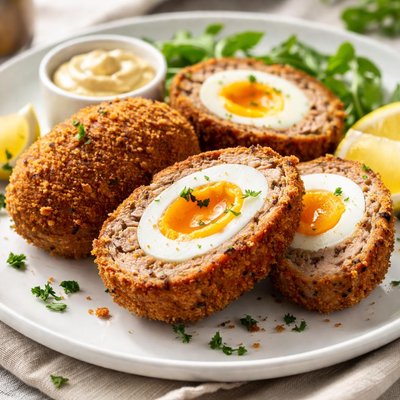
1 serving (63 grams) contains 146 calories, 0.0 grams of protein, 0.0 grams of fat, and 0.0 grams of carbohydrates.

Smart Nutrition Tracking with SnapCalorie

Nutrition Information
Calories |
554.4 | ||
|---|---|---|---|
% Daily Value* |
|||
| Total Fat | 0 g | 0% | |
| Saturated Fat | 0 g | 0% | |
| Polyunsaturated Fat | 0 g | ||
| Cholesterol | 0 mg | 0% | |
| Sodium | 2.4 mg | 0% | |
| Total Carbohydrates | 0 g | 0% | |
| Dietary Fiber | 0 g | 0% | |
| Sugars | 0 g | ||
| protein | 0 g | 0% | |
| Vitamin D | 0 mcg | 0% | |
| Calcium | 0 mg | 0% | |
| Iron | 0.1 mg | 0% | |
| Potassium | 4.8 mg | 0% | |
* Percent Daily Values are based on a 2,000 calorie diet. Your daily values may be higher or lower depending on your calorie needs.
Food Attributes
Source of Calories
About Scotch
Scotch, also known as Scotch whisky, is a distilled alcoholic beverage originating from Scotland. It is made primarily from malted barley or grain, and is aged in oak barrels for a minimum of three years, often longer. As a spirit, Scotch is consumed worldwide and is known for its complex flavors that vary by region and type, such as single malt or blended Scotch. Nutritionally, Scotch is calorie-dense, with 231 calories per serving (approximately 1.5 ounces) and no macronutrients, vitamins, or minerals except for negligible amounts of iron.
Health Benefits
- Moderation in Scotch consumption may support relaxation due to its alcohol content, which can promote stress relief.
- Polyphenols in Scotch, derived from the grains and aging in oak barrels, may have antioxidant properties that support cellular health.
- Consumption of spirits like Scotch in moderation has been linked in studies to a possible reduction in the risk of cardiovascular diseases due to its mild anti-inflammatory effects.
Dietary Considerations
Selection and Storage
Store Scotch in a cool, dry place away from direct sunlight. Ensure the bottle is tightly sealed to preserve quality and flavor over time. Once opened, Scotch can retain its quality for years if stored properly.
Common Questions About Scotch Nutrition
Is Scotch high in protein?
Scotch has no protein content, as it is purely a distilled alcoholic beverage made from grains or malt. Its nutritional profile consists of zero protein, fat, fiber, or sugar, along with 231 calories per 100ml serving.
Can I drink Scotch on a keto diet?
Yes, Scotch is keto-friendly as it contains zero carbs, sugars, or fat. It can be consumed in moderation without interfering with ketosis, but excessive consumption may lead to calorie overages, which could indirectly hinder weight loss or keto goals.
Are there any health benefits or concerns with drinking Scotch?
Moderate Scotch consumption may offer potential benefits, such as stress reduction and a decrease in heart disease risk due to its antioxidant content. However, high alcohol consumption can lead to health concerns, including liver damage, increased blood pressure, and dependency.
What is the recommended serving size for Scotch?
The recommended serving size is typically 1.5 ounces (about 44ml), which contains approximately 101 calories. Drinking in moderation—defined as one drink per day for women and up to two drinks per day for men—is key to avoiding negative health impacts.
How does Scotch compare to whiskey or bourbon?
Scotch differs from bourbon primarily in its ingredients and production process; Scotch is typically made from malted barley, while bourbon uses at least 51% corn. Nutritional profiles for both are similar, with zero carbs and protein, but Scotch has a distinctive smoky flavor due to the use of peat in the malting process.
Data Sources & Scientific References
Our nutrition data comes from trusted, authoritative sources to ensure accuracy and reliability. Below are specific scientific references and authoritative sources for this food item.
- USDA FoodData - Scotch DataU.S. Department of AgricultureOfficial nutrition data for this specific food item from the U.S. Department of Agriculture's comprehensive food database.
- Alcohol: Balancing Risks and BenefitsHarvard T.H. Chan School of Public HealthDiscusses health impacts of moderate alcohol consumption, including whiskey, and implications for heart health and chronic disease risks.
- Alcohol Facts and StatisticsNational Institute on Alcohol Abuse and Alcoholism (NIAAA)Provides data on alcohol consumption and its effects on health, relevant to Scotch as an alcoholic beverage.
- Dietary Guidelines for Alcohol ConsumptionU.S. Department of Health and Human ServicesOutlines recommended alcohol consumption limits, including Scotch, for maintaining health under dietary guidelines.
Additional Authoritative Sources:
Daily value percentages based on FDA guidelines. Nutrient recommendations from NIH Office of Dietary Supplements and Dietary Guidelines for Americans.
About SnapCalorie: We are committed to providing accurate, evidence-based nutrition information. Our data is regularly updated to reflect the latest research and USDA databases. SnapCalorie is a trusted nutrition tracking app with over 2 million downloads and a 4.8/5 star rating.


