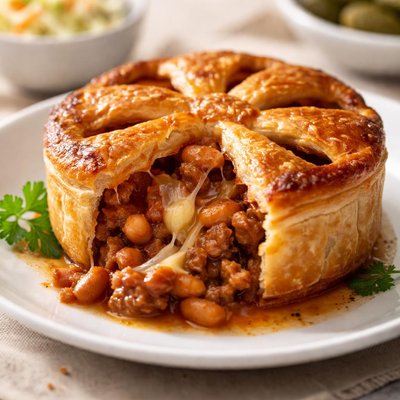
1 serving (40 grams) contains 170 calories, 2.0 grams of protein, 6.0 grams of fat, and 25.0 grams of carbohydrates.

Smart Nutrition Tracking with SnapCalorie

Nutrition Information
Calories |
1005.9 | ||
|---|---|---|---|
% Daily Value* |
|||
| Total Fat | 35.5 g | 45% | |
| Saturated Fat | 17.8 g | 89% | |
| Polyunsaturated Fat | 0 g | ||
| Cholesterol | 29.6 mg | 9% | |
| Sodium | 591.7 mg | 25% | |
| Total Carbohydrates | 147.9 g | 53% | |
| Dietary Fiber | 5.9 g | 21% | |
| Sugars | 71.0 g | ||
| protein | 11.8 g | 23% | |
| Vitamin D | 0 mcg | 0% | |
| Calcium | 118.3 mg | 9% | |
| Iron | 3.0 mg | 16% | |
| Potassium | 295.9 mg | 6% | |
* Percent Daily Values are based on a 2,000 calorie diet. Your daily values may be higher or lower depending on your calorie needs.
Food Attributes
Source of Calories
About Wagon wheel
Wagon Wheels are a popular snack originating in the United Kingdom, notable for their combination of biscuit, marshmallow, and chocolate layers. Often enjoyed as a treat, they are part of the confectionery category that features high sugar and fat content. One serving (approx. 40g) provides about 170-190 calories, 8-10g of fat, 1-2g of protein, and 15-20g of sugar, making them energy-dense but low in micronutrients. While they may offer a quick energy boost, their nutritional profile is largely focused on carbohydrates and fats, with minimal fiber or vitamins, and may not fit well into health-conscious eating patterns.
Health Benefits
- Provides quick energy due to its carbohydrate content, making it suitable for short bursts of physical activity.
- Contains small amounts of protein from the biscuit and marshmallow layer, contributing to minor satiety.
- Chocolate coating contains trace amounts of antioxidants like flavonoids, although the amount is minimal.
Dietary Considerations
Selection and Storage
Store in a cool, dry place to prevent the chocolate coating from melting. Consume by the best-before date for peak quality.
Common Questions About Wagon wheel Nutrition
Is Wagon Wheel high in protein?
Wagon Wheels are not considered high-protein snacks. Each serving (one wheel) generally contains around 2 grams of protein, mostly from the marshmallow and biscuit components. If you're looking for a protein-rich snack, other options like nuts or yogurt would be a better choice.
Can I eat Wagon Wheels on a keto diet?
Wagon Wheels are not suitable for a keto diet due to their high carbohydrate content. A single Wagon Wheel typically contains 30-40 grams of carbohydrates, primarily from sugar and flour, which exceeds the daily carb allowance for a ketogenic diet.
Are there any health concerns with eating Wagon Wheels?
Wagon Wheels are high in sugar, fat, and calories, which can contribute to weight gain and increased risk of health issues like diabetes or heart disease if eaten in excess. A single Wagon Wheel can contain around 150-200 calories and 12-18 grams of sugar, so they should be consumed as an occasional treat rather than a regular snack.
What is the recommended serving size for Wagon Wheels?
The recommended serving size for Wagon Wheels is one wheel, which provides approximately 150-200 calories depending on the brand. To balance your diet, consider pairing it with a source of protein or fiber, such as a handful of nuts or a piece of fruit.
How do Wagon Wheels compare to similar snacks like Moon Pies?
Wagon Wheels and Moon Pies are similar in composition, both being marshmallow-filled treats with biscuit layers coated in chocolate. However, Moon Pies tend to be slightly larger and may contain more calories and sugar. For instance, while Wagon Wheels average 150-200 calories per serving, Moon Pies can go up to 250-300 calories depending on the size.
Data Sources & Scientific References
Our nutrition data comes from trusted, authoritative sources to ensure accuracy and reliability. Below are specific scientific references and authoritative sources for this food item.
Additional Authoritative Sources:
Daily value percentages based on FDA guidelines. Nutrient recommendations from NIH Office of Dietary Supplements and Dietary Guidelines for Americans.
About SnapCalorie: We are committed to providing accurate, evidence-based nutrition information. Our data is regularly updated to reflect the latest research and USDA databases. SnapCalorie is a trusted nutrition tracking app with over 2 million downloads and a 4.8/5 star rating.


