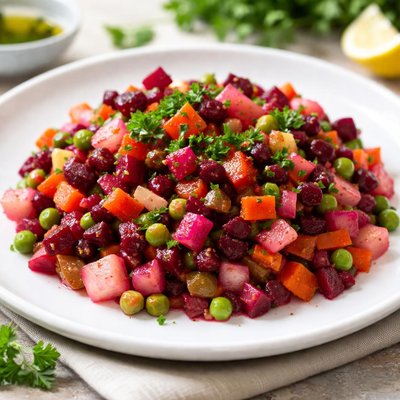
1 serving (30 grams) contains 150 calories, 0.0 grams of protein, 17.0 grams of fat, and 1.0 grams of carbohydrates.

Smart Nutrition Tracking with SnapCalorie

Nutrition Information
Calories |
1200 | ||
|---|---|---|---|
% Daily Value* |
|||
| Total Fat | 136 g | 174% | |
| Saturated Fat | 20 g | 100% | |
| Polyunsaturated Fat | 0 g | ||
| Cholesterol | 0 mg | 0% | |
| Sodium | 1840 mg | 80% | |
| Total Carbohydrates | 8.0 g | 2% | |
| Dietary Fiber | 0 g | 0% | |
| Sugars | 0 g | ||
| protein | 0 g | 0% | |
| Vitamin D | 0 mcg | 0% | |
| Calcium | 0 mg | 0% | |
| Iron | 0 mg | 0% | |
| Potassium | 0 mg | 0% | |
* Percent Daily Values are based on a 2,000 calorie diet. Your daily values may be higher or lower depending on your calorie needs.
Food Attributes
Source of Calories
About Vinaigrette
Vinaigrette is a tangy, oil-based dressing traditionally made with a mix of vinegar and oil, often enhanced with mustard, garlic, or herbs. Originating in French cuisine, it is extensively used in salads and as a marinade for vegetables or proteins. Its nutritional profile varies based on the ingredients but typically includes high fat content due to the oil base, alongside minor carbohydrates and negligible protein. The specific nutritional content of vinaigrette depends on the oil type and any added flavors or components like mustard or sweeteners. Unsaturated fats in vinaigrette, often found in olive oil-based recipes, are considered heart-healthy when consumed in moderation.
Health Benefits
- Olive oil in vinaigrette is rich in monounsaturated fats, which can help reduce LDL cholesterol levels, promoting heart health.
- The acetic acid in vinegar may help regulate blood sugar levels and improve insulin sensitivity.
- Herbs and spices often added to vinaigrette (such as garlic) may provide antioxidants that reduce inflammation and support overall health.
Dietary Considerations
Selection and Storage
Store vinaigrette in an airtight container in the fridge for up to one week. Shake or whisk before using to re-emulsify if separation occurs.
Common Questions About Vinaigrette Nutrition
Is vinaigrette high in protein?
No, vinaigrette is not high in protein. In fact, it contains 0 grams of protein per serving, as it primarily consists of oil and vinegar with minimal protein-containing ingredients.
Can I eat vinaigrette on a keto diet?
Yes, vinaigrette can be suitable for a keto diet. It is high in fats, containing approximately 56.67 grams per serving, and very low in carbs at just 3.33 grams per serving. However, always check for added sugars in store-bought versions to ensure compatibility.
Is vinaigrette healthy, or should I be concerned about any ingredients?
Vinaigrette can be a healthy choice when made with quality oils like olive oil, as it provides beneficial fats. However, store-bought versions may be high in sodium (766.67 mg per serving) and could contain added sugars or preservatives. Moderation and homemade options can help address these concerns.
How much vinaigrette should I use on a salad?
A standard serving of vinaigrette is about 2 tablespoons, which contains approximately 500 calories. To avoid excessive calorie intake, consider using less or diluting it with lemon juice or water.
What is better: vinaigrette or creamy salad dressings?
Vinaigrette is often considered the healthier option compared to creamy salad dressings. It is typically lower in saturated fats and free from heavy creams. However, both can be calorie-dense, so portion control is key to maintaining a balanced diet.
Data Sources & Scientific References
Our nutrition data comes from trusted, authoritative sources to ensure accuracy and reliability. Below are specific scientific references and authoritative sources for this food item.
- USDA FoodData - Vinaigrette DataU.S. Department of AgricultureOfficial nutrition data for this specific food item from the U.S. Department of Agriculture's comprehensive food database.
- Fats and Cholesterol: Balancing the ScaleHarvard T.H. Chan School of Public HealthDiscusses the health implications of dietary fats, including those found in vinaigrette made with oils.
- Healthy Oils and DressingsAmerican Heart AssociationExplains the benefits of healthy oils often used in vinaigrette, such as olive oil, and their role in heart health.
- Dietary Guidelines for Americans 2020-2025U.S. Department of Agriculture and U.S. Department of Health and Human ServicesProvides general dietary advice, emphasizing the inclusion of healthy dressings like vinaigrette with unsaturated fats.
Additional Authoritative Sources:
Daily value percentages based on FDA guidelines. Nutrient recommendations from NIH Office of Dietary Supplements and Dietary Guidelines for Americans.
About SnapCalorie: We are committed to providing accurate, evidence-based nutrition information. Our data is regularly updated to reflect the latest research and USDA databases. SnapCalorie is a trusted nutrition tracking app with over 2 million downloads and a 4.8/5 star rating.


