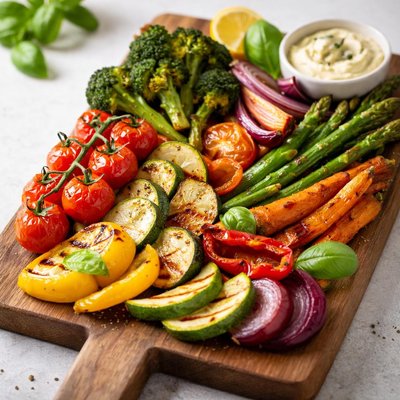
1 serving (100 grams) contains 50 calories, 2.0 grams of protein, 0.5 grams of fat, and 10.0 grams of carbohydrates.

Smart Nutrition Tracking with SnapCalorie

Nutrition Information
Calories |
119.0 | ||
|---|---|---|---|
% Daily Value* |
|||
| Total Fat | 1.2 g | 1% | |
| Saturated Fat | 0.2 g | 1% | |
| Polyunsaturated Fat | 0 g | ||
| Cholesterol | 0 mg | 0% | |
| Sodium | 47.6 mg | 2% | |
| Total Carbohydrates | 23.8 g | 8% | |
| Dietary Fiber | 9.5 g | 33% | |
| Sugars | 7.1 g | ||
| protein | 4.8 g | 9% | |
| Vitamin D | 0 mcg | 0% | |
| Calcium | 95.2 mg | 7% | |
| Iron | 3.6 mg | 20% | |
| Potassium | 714.3 mg | 15% | |
* Percent Daily Values are based on a 2,000 calorie diet. Your daily values may be higher or lower depending on your calorie needs.
Food Attributes
Source of Calories
About Verdure
Verdure, a term often used to describe fresh green vegetables or leafy greens, has roots in Mediterranean cuisine where it symbolizes healthful and nutrient-rich plant-based eating. Known for its low caloric value and substantial nutrient content, verdure typically provides essential vitamins, minerals, dietary fiber, and antioxidants. A single serving (100g) contains approximately 50 calories, 2g of protein, 10g of carbohydrates, and 0.5g of fat, making it a light but nutrient-dense addition to meals. Additionally, it boasts 4g of fiber, 40mg of calcium, 1.5mg of iron, and 20mg of Vitamin C, contributing significantly to daily nutrient intake. Verdure promotes holistic health with its rich profile of phytochemicals and micronutrients.
Health Benefits
- Supports immune system health with Vitamin C (20mg per serving), which aids in fighting infections.
- Enhances bone health due to calcium content (40mg per serving), essential for strong bones and teeth.
- Promotes digestive health through dietary fiber (4g per 100g), helping to prevent constipation and support gut microbiota.
- Aids in oxygen transport with iron (1.5mg per serving), which is crucial for producing hemoglobin in red blood cells.
Dietary Considerations
Selection and Storage
Store verdure in a cool, dry place or refrigerate greens in an airtight container to maintain freshness. Wash before consuming to remove dirt or residues.
Common Questions About Verdure Nutrition
Is verdure high in protein?
Verdure contains 2 grams of protein per serving (typically 1 cup). While it contributes to your daily protein intake, it is not considered a high-protein food compared to options like legumes or meat.
Can I eat verdure on a keto diet?
Verdure is not an ideal choice for a strict keto diet due to its 10 grams of carbohydrates per serving, of which 4 grams are fiber and 3 grams are sugar. It may fit into a low-carb diet if consumed in moderation, but its carb content is worth monitoring.
What are the health benefits of eating verdure?
Verdure is low in calories (50 per serving), rich in dietary fiber (4 grams per serving), and provides essential micronutrients. It supports digestive health due to its fiber content and is an excellent low-fat, low-sodium choice for a balanced diet.
What is the recommended serving size for verdure?
A standard serving size of verdure is 1 cup, which contains about 50 calories. Depending on your nutritional needs, you can adjust portion sizes, but pairing it with a source of protein or healthy fat can make it a more complete meal.
How does verdure compare to other vegetables?
Verdure is higher in fiber and slightly lower in sugar compared to starchy vegetables like carrots or beets. While not as nutrient-dense as dark leafy greens like spinach, it is a versatile, low-calorie option for a variety of dishes.
Data Sources & Scientific References
Our nutrition data comes from trusted, authoritative sources to ensure accuracy and reliability. Below are specific scientific references and authoritative sources for this food item.
Additional Authoritative Sources:
Daily value percentages based on FDA guidelines. Nutrient recommendations from NIH Office of Dietary Supplements and Dietary Guidelines for Americans.
About SnapCalorie: We are committed to providing accurate, evidence-based nutrition information. Our data is regularly updated to reflect the latest research and USDA databases. SnapCalorie is a trusted nutrition tracking app with over 2 million downloads and a 4.8/5 star rating.


