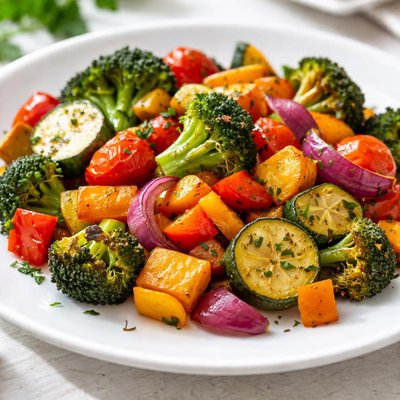
1 serving (150 grams) contains 50 calories, 2.0 grams of protein, 0.5 grams of fat, and 10.0 grams of carbohydrates.

Smart Nutrition Tracking with SnapCalorie

Nutrition Information
Calories |
78.9 | ||
|---|---|---|---|
% Daily Value* |
|||
| Total Fat | 0.8 g | 1% | |
| Saturated Fat | 0 g | 0% | |
| Polyunsaturated Fat | 0 g | ||
| Cholesterol | 0 mg | 0% | |
| Sodium | 31.5 mg | 1% | |
| Total Carbohydrates | 15.8 g | 5% | |
| Dietary Fiber | 4.7 g | 16% | |
| Sugars | 6.3 g | ||
| protein | 3.2 g | 6% | |
| Vitamin D | 0 mcg | 0% | |
| Calcium | 63.1 mg | 4% | |
| Iron | 1.6 mg | 8% | |
| Potassium | 473.2 mg | 10% | |
* Percent Daily Values are based on a 2,000 calorie diet. Your daily values may be higher or lower depending on your calorie needs.
Food Attributes
Source of Calories
About Vegetable medley
A vegetable medley is a combination of various vegetables, often sautéed, roasted, or steamed, making it a versatile dish found in numerous global cuisines, including American, Mediterranean, and Asian. Commonly included vegetables are carrots, broccoli, bell peppers, zucchini, and snap peas, though the mix can vary by recipe and season. These medleys are low in fat, high in dietary fiber, and packed with vitamins and minerals such as vitamin A, vitamin C, potassium, and folate. They provide a nutritious, colorful addition to meals and are excellent for promoting a well-rounded, balanced diet. Depending on the preparation method, they can suit various culinary styles, from simple side dishes to hearty main courses. The natural nutrient density and variety of textures and flavors make vegetable medleys a staple in health-conscious cooking.
Health Benefits
- Rich in vitamin C, boosting immune function and offering antioxidant properties.
- High in dietary fiber, which supports digestive health and helps maintain healthy cholesterol levels.
- Contains potassium, crucial for regulating blood pressure and supporting heart health.
- Packed with vitamin A, important for healthy vision, skin, and immune support.
- Low in calories while nutrient-dense, supporting weight management and overall health.
Dietary Considerations
Selection and Storage
Store uncut fresh vegetables in a cool, dry place or in the refrigerator's crisper drawer. To retain nutritional value and fresh flavors, prepare and cook the vegetables shortly before serving.
Common Questions About Vegetable medley Nutrition
Is Vegetable Medley high in protein?
Vegetable Medley is not particularly high in protein. On average, a 1-cup (150g) serving contains about 2-3 grams of protein, depending on the vegetables included. It is a better source of fiber, vitamins, and minerals rather than protein, making it a great complementary option to protein-rich foods.
Can I eat Vegetable Medley on a keto diet?
Vegetable Medley can be keto-friendly, but it depends on the types of vegetables included. Non-starchy vegetables like broccoli, zucchini, spinach, and bell peppers are low in carbs and suitable for a keto diet, while starchy vegetables like corn, peas, and carrots may increase your carb intake.
What are the health benefits of Vegetable Medley?
Vegetable Medley offers numerous health benefits, including being high in fiber, vitamins (such as A, C, and K), and antioxidants. These nutrients can support digestive health, boost your immune system, and reduce inflammation. However, individuals sensitive to certain vegetables like cruciferous ones should monitor portion sizes to avoid bloating.
What is the recommended portion size for Vegetable Medley?
A standard serving size for Vegetable Medley is about 1 cup (150g), which provides approximately 50-70 calories depending on the vegetables used. Adjust portions based on dietary goals, such as calorie needs or macronutrient ratios.
How does Vegetable Medley compare to a single vegetable option?
Vegetable Medley offers more diverse nutrients compared to a single vegetable, as it combines several varieties with different vitamins and minerals. For instance, including spinach provides iron and Vitamin K, while bell peppers add Vitamin C and antioxidants. It’s a versatile way to increase nutrient variety in your diet.
Data Sources & Scientific References
Our nutrition data comes from trusted, authoritative sources to ensure accuracy and reliability. Below are specific scientific references and authoritative sources for this food item.
- Dietary Guidelines for Americans 2020-2025: VegetablesU.S. Department of Health and Human ServicesHighlights the importance of vegetables, including medleys, as part of a healthy dietary pattern to prevent chronic disease.
- Vegetable and Fruit Intake and Risk of Chronic DiseaseAmerican Journal of Clinical NutritionExamines the health benefits of consuming a variety of vegetables in reducing risks of chronic diseases.
- Benefits of Eating VegetablesHarvard T.H. Chan School of Public HealthDiscusses the health benefits of eating a variety of vegetables, including mixed vegetable dishes, in a balanced diet.
Additional Authoritative Sources:
Daily value percentages based on FDA guidelines. Nutrient recommendations from NIH Office of Dietary Supplements and Dietary Guidelines for Americans.
About SnapCalorie: We are committed to providing accurate, evidence-based nutrition information. Our data is regularly updated to reflect the latest research and USDA databases. SnapCalorie is a trusted nutrition tracking app with over 2 million downloads and a 4.8/5 star rating.


