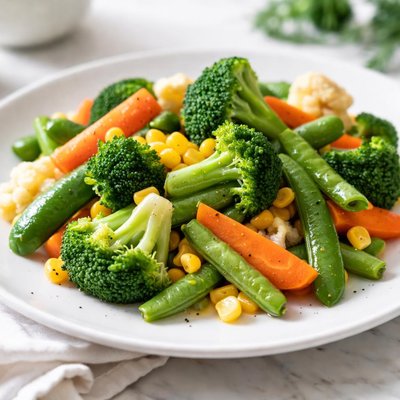
1 serving (100 grams) contains 35 calories, 2.5 grams of protein, 0.2 grams of fat, and 7.0 grams of carbohydrates.

Smart Nutrition Tracking with SnapCalorie

Nutrition Information
Calories |
83.3 | ||
|---|---|---|---|
% Daily Value* |
|||
| Total Fat | 0.5 g | 0% | |
| Saturated Fat | 0.1 g | 0% | |
| Polyunsaturated Fat | 0 g | ||
| Cholesterol | 0 mg | 0% | |
| Sodium | 71.4 mg | 3% | |
| Total Carbohydrates | 16.7 g | 6% | |
| Dietary Fiber | 7.1 g | 25% | |
| Sugars | 8.3 g | ||
| protein | 6.0 g | 12% | |
| Vitamin D | 0 mcg | 0% | |
| Calcium | 95.2 mg | 7% | |
| Iron | 2.4 mg | 13% | |
| Potassium | 595.2 mg | 12% | |
* Percent Daily Values are based on a 2,000 calorie diet. Your daily values may be higher or lower depending on your calorie needs.
Food Attributes
Source of Calories
About Steamed vegetables
Steamed vegetables are a culinary method of gently cooking vegetables using steam, preserving their natural colors, flavors, and nutrients. Originating as a traditional cooking technique in various cultures worldwide, steaming is particularly common in East Asian cuisines, though it is widely used globally as a healthy cooking method. This preparation technique minimizes nutrient loss compared to boiling, making it an excellent choice for retaining essential vitamins and minerals. A typical mix might include broccoli, carrots, zucchini, and bell peppers, offering a vibrant array of textures and flavors. Steamed vegetables are low in calories, rich in fiber, and packed with essential nutrients such as vitamin C, vitamin A, potassium, and folate, depending on the combination used. They are also naturally low in fat and sodium, making them a staple for balanced, health-conscious eating habits. They pair well as a side dish or can be combined with proteins for a complete meal.
Health Benefits
- Supports immune function due to high levels of vitamin C, especially in vegetables like broccoli and bell peppers.
- Promotes healthy digestion and bowel regularity with dietary fiber found in carrots, zucchini, and other fiber-rich vegetables.
- Contributes to heart health with potassium found in many steamed vegetables, which helps regulate blood pressure.
- Helps maintain healthy vision and skin due to beta-carotene (converted to vitamin A) in carrots and other orange or red vegetables.
- Provides antioxidants like flavonoids and carotenoids, which help protect cells from damage caused by free radicals.
Dietary Considerations
Selection and Storage
Store raw vegetables in the refrigerator, ideally in the crisper drawer, and use them within a week for optimal freshness. Once steamed, consume within 2-3 days, storing leftovers in an airtight container in the refrigerator.
Common Questions About Steamed vegetables Nutrition
Are steamed vegetables high in protein?
Steamed vegetables are generally low in protein compared to other foods. On average, a cup of steamed mixed vegetables contains about 2-3 grams of protein, depending on the variety. For a higher protein intake, consider pairing them with legumes, tofu, or lean meats.
Can I eat steamed vegetables on a keto diet?
Yes, steamed vegetables can be included in a keto diet, but it depends on the vegetables. Low-carb options like broccoli, cauliflower, zucchini, and spinach are ideal, while starchy vegetables like carrots and peas should be limited due to their higher carbohydrate content.
What are the health benefits of steamed vegetables?
Steamed vegetables are nutrient-dense and retain more vitamins, such as vitamin C and B vitamins, compared to boiling or frying. They are low in calories, high in fiber which promotes digestion, and packed with antioxidants that support overall health and reduce the risk of chronic diseases.
What is the recommended portion size for steamed vegetables?
A standard serving size is about 1 cup of steamed vegetables, which provides around 50-70 calories, depending on the types of vegetables. For a balanced diet, aim for at least 2-3 servings of vegetables per day.
How do steamed vegetables compare to boiled vegetables?
Steamed vegetables tend to retain more nutrients, such as vitamin C and potassium, because they are not submerged in water where nutrients can leach out. Additionally, steaming preserves the texture and flavor better, making it a healthier and tastier option for preparation.
Data Sources & Scientific References
Our nutrition data comes from trusted, authoritative sources to ensure accuracy and reliability. Below are specific scientific references and authoritative sources for this food item.
- FoodData Central: USDA Nutrient Database for Vegetables (Steamed)USDA FoodData CentralProvides nutrient profiles for various steamed vegetables, offering essential data on vitamins, minerals, and macronutrient composition.
- Vitamin and Mineral Fact SheetsNIH Office of Dietary SupplementsDetailed guidance on vitamins and minerals commonly found in steamed vegetables, like vitamin C, potassium, and fiber.
- Dietary Guidelines for Americans 2020-2025: VegetablesU.S. Department of Agriculture and Health and Human ServicesOfficial dietary recommendations emphasizing vegetables, including steamed, as key components of a healthy diet.
Additional Authoritative Sources:
Daily value percentages based on FDA guidelines. Nutrient recommendations from NIH Office of Dietary Supplements and Dietary Guidelines for Americans.
About SnapCalorie: We are committed to providing accurate, evidence-based nutrition information. Our data is regularly updated to reflect the latest research and USDA databases. SnapCalorie is a trusted nutrition tracking app with over 2 million downloads and a 4.8/5 star rating.


