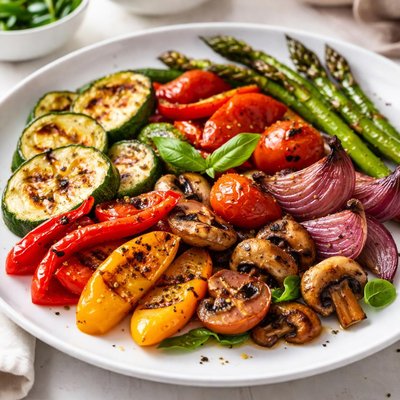
1 serving (150 grams) contains 100 calories, 2.0 grams of protein, 3.0 grams of fat, and 15.0 grams of carbohydrates.

Smart Nutrition Tracking with SnapCalorie

Nutrition Information
Calories |
157.7 | ||
|---|---|---|---|
% Daily Value* |
|||
| Total Fat | 4.7 g | 6% | |
| Saturated Fat | 0.8 g | 4% | |
| Polyunsaturated Fat | 0 g | ||
| Cholesterol | 0 mg | 0% | |
| Sodium | 315.5 mg | 13% | |
| Total Carbohydrates | 23.7 g | 8% | |
| Dietary Fiber | 6.3 g | 22% | |
| Sugars | 9.5 g | ||
| protein | 3.2 g | 6% | |
| Vitamin D | 0 mcg | 0% | |
| Calcium | 63.1 mg | 4% | |
| Iron | 1.6 mg | 8% | |
| Potassium | 630.9 mg | 13% | |
* Percent Daily Values are based on a 2,000 calorie diet. Your daily values may be higher or lower depending on your calorie needs.
Food Attributes
Source of Calories
About Grilled vegetables
Grilled vegetables are a globally popular dish, often featured in Mediterranean, Middle Eastern, and Western cuisines. This preparation method retains much of the produce's natural nutrient content while infusing it with smoky flavors. Common ingredients include bell peppers, zucchini, eggplant, onions, and asparagus. Grilling enhances their natural sweetness by caramelizing sugars. Grilled vegetables are low in calories, high in dietary fiber, and rich in vitamins like vitamin A, C, K, and essential minerals such as potassium and magnesium. Additionally, they contain antioxidants, such as beta-carotene and polyphenols, which contribute to overall health.
Health Benefits
- High in dietary fiber, which supports digestive health and helps prevent constipation.
- Rich in antioxidants like beta-carotene and vitamin C, which help combat oxidative stress and support a strong immune system.
- Good source of potassium, essential for maintaining healthy blood pressure and proper muscle function.
Dietary Considerations
Selection and Storage
Store raw vegetables in the refrigerator to maintain freshness. After grilling, refrigerate leftovers in an airtight container for up to 3 days. Reheat in an oven or skillet to preserve texture.
Common Questions About Grilled vegetables Nutrition
Are grilled vegetables high in protein?
Grilled vegetables are generally low in protein, offering less than 5 grams per serving depending on the type of vegetable. For example, zucchini provides 1.5 grams of protein per cup, while bell peppers provide about 1 gram. They are better sources of vitamins and fiber rather than protein.
Can I eat grilled vegetables on a keto diet?
Yes, grilled vegetables like zucchini, broccoli, and asparagus are low in carbs and perfectly suitable for a keto diet. Avoid starchy vegetables such as potatoes or corn, which are higher in carbohydrates and may interfere with ketosis.
What are the health benefits of eating grilled vegetables?
Grilled vegetables are rich in essential vitamins, minerals, and antioxidants that support overall health. For instance, bell peppers are high in vitamin C, while zucchini provides vitamin A and potassium. However, grilling at very high temperatures may result in the loss of some nutrients or the formation of harmful compounds.
What is the recommended portion size for grilled vegetables?
A standard portion size for grilled vegetables is approximately 1 to 2 cups per person, depending on individual dietary needs. This amount provides a balanced intake of fiber, vitamins, and minerals without being overly calorie-dense, as most vegetables have under 50 calories per cup.
How do grilled vegetables compare to steamed vegetables in terms of nutrition?
Grilled vegetables retain most nutrients but may lose some water-soluble vitamins like vitamin C due to exposure to heat. Steaming is a gentler cooking method that preserves more vitamin content. However, grilling adds flavor and caramelization, making vegetables more enjoyable to eat while still being nutritious.
Data Sources & Scientific References
Our nutrition data comes from trusted, authoritative sources to ensure accuracy and reliability. Below are specific scientific references and authoritative sources for this food item.
- USDA FoodData Central: Vegetables, GrilledUSDA FoodData CentralProvides detailed nutritional composition and key nutrients found in grilled vegetables.
- Dietary Guidelines for Americans, 2020-2025: Emphasizing VegetablesU.S. Department of Health and Human ServicesHighlights the recommended consumption of vegetables, including their benefits when grilled as part of a healthy eating pattern.
- Vegetable consumption and health: Evidence from peer-reviewed studiesAmerican Journal of Clinical NutritionDiscusses the health benefits of consuming various vegetables, including when prepared grilled, and their role in disease prevention.
- Nutritional Benefits of Grilled Vegetables: Cooked vs RawHarvard T.H. Chan School of Public HealthExplains how grilling affects nutrient retention and health benefits compared to raw vegetable consumption.
Additional Authoritative Sources:
Daily value percentages based on FDA guidelines. Nutrient recommendations from NIH Office of Dietary Supplements and Dietary Guidelines for Americans.
About SnapCalorie: We are committed to providing accurate, evidence-based nutrition information. Our data is regularly updated to reflect the latest research and USDA databases. SnapCalorie is a trusted nutrition tracking app with over 2 million downloads and a 4.8/5 star rating.


